
Growing companies face a familiar challenge: they must move faster without letting complexity overwhelm their teams. As operations expand, leaders need reliable systems for planning, communication, automation, finance, customer management, and decision-making. The right mix of AI tools and management apps can help a business reduce manual work, improve visibility, and scale with greater confidence.
TLDR: Growing companies benefit most from a practical toolkit that combines AI automation, project management, CRM, finance, HR, communication, and analytics platforms. These tools help teams save time, make better decisions, and keep operations organized as the business scales. The strongest toolkit is not the largest one, but the one that fits the company’s processes, budget, and growth stage.
Why a Business Toolkit Matters
As a company grows, informal systems often stop working. A spreadsheet that once tracked every customer may become outdated overnight. A chat thread that once handled all internal communication may become too noisy. A founder’s memory may no longer be enough to manage deadlines, invoices, hiring, marketing campaigns, and customer follow-ups.
This is where a structured business toolkit becomes essential. It gives teams a shared operating system for daily work. Instead of depending on scattered documents and disconnected conversations, employees can rely on centralized tools that store information, automate routine tasks, and provide visibility across departments.
Growth does not only require more people; it requires better systems. AI and management apps allow companies to scale processes before problems become expensive. They also help managers identify bottlenecks, monitor performance, and make decisions based on data rather than guesswork.

AI Assistants and Productivity Tools
AI assistants have quickly become a core part of the modern company toolkit. These tools can draft emails, summarize meetings, generate reports, brainstorm campaign ideas, analyze documents, and support customer service teams. For growing companies, their greatest value is not replacing people, but helping employees use their time more effectively.
Common use cases include:
- Writing support: creating first drafts of proposals, internal updates, job descriptions, and marketing copy.
- Meeting summaries: turning long calls into action items, decisions, and follow-up tasks.
- Research assistance: gathering market insights, competitor summaries, and customer trends.
- Data interpretation: explaining spreadsheets, reports, and performance metrics in plain language.
- Customer support: suggesting responses, routing tickets, and answering common questions.
However, companies should introduce AI with clear guidelines. Sensitive data, customer information, and confidential business strategies should be handled carefully. Management should define what employees can share with AI platforms, how outputs should be reviewed, and who is responsible for final decisions.
Project Management Platforms
Project management tools are often among the first serious apps a growing company adopts. They help teams organize tasks, assign ownership, set deadlines, and track progress. Without them, important work can disappear into email inboxes or be delayed because no one knows who is responsible.
Popular project management platforms typically include boards, timelines, calendars, file attachments, comments, and automation rules. These features are especially useful for marketing campaigns, product launches, software development, client onboarding, and internal operations.
A strong project management system should answer three questions at any moment:
- What needs to be done?
- Who is responsible for doing it?
- When is it due?
For smaller teams, a simple visual board may be enough. For larger teams, more advanced tools with workload management, dependencies, reporting, and portfolio views may be needed. The best solution is one that employees will actually use consistently.
Customer Relationship Management Apps
A CRM system is essential for companies that sell products or services to customers, clients, or accounts. It stores contact details, communication history, sales opportunities, deal stages, and follow-up reminders. When used well, a CRM becomes the central source of truth for revenue growth.
Sales teams can use CRM apps to track leads from first contact to closed deal. Customer success teams can monitor renewals, support issues, and account health. Marketing teams can segment audiences and personalize campaigns based on customer behavior.
For growing companies, CRM discipline is especially important. If sales knowledge lives only in individual inboxes, the company becomes vulnerable when employees leave or roles change. A CRM protects institutional knowledge and makes sales processes repeatable.
Communication and Collaboration Tools
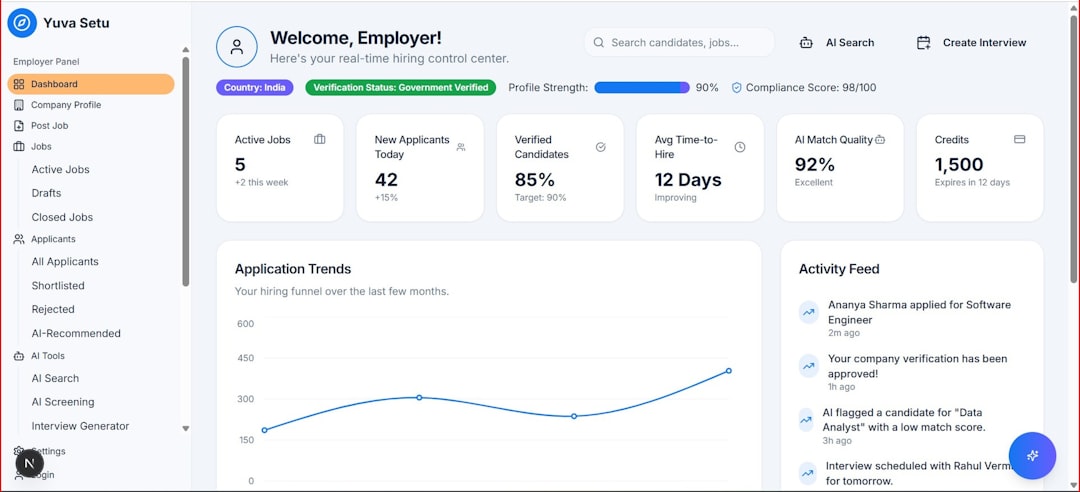
As headcount increases, communication becomes harder. Employees need fast ways to ask questions, share updates, and collaborate across departments. Messaging platforms, video meeting tools, shared documents, and internal knowledge bases can keep teams aligned.
Companies should avoid letting communication tools become chaotic. Too many channels, unnecessary meetings, and unclear expectations can reduce productivity. Managers should establish norms around response times, meeting agendas, decision documentation, and where different types of information belong.
For example, quick questions may belong in chat, formal decisions may belong in a project management tool, and long-term policies may belong in a knowledge base. This kind of structure helps employees find information without constantly interrupting one another.
Finance and Accounting Software
Financial visibility is critical for scaling companies. Accounting and finance apps help businesses manage invoices, expenses, payroll, tax documents, budgets, cash flow, and financial reporting. These tools reduce manual errors and give leaders a clearer picture of the company’s health.
Important features may include:
- Automated invoicing for faster billing and payment collection.
- Expense tracking to control costs and simplify approvals.
- Bank integrations for real-time transaction updates.
- Financial dashboards for revenue, profit, and cash flow analysis.
- Payroll management to support employees and contractors.
For leadership teams, finance software supports better planning. It helps them understand whether the company can afford new hires, marketing investments, equipment purchases, or expansion into new markets.
HR and People Management Apps
Once a company begins hiring regularly, people operations become more complex. HR apps can manage recruiting, onboarding, employee records, time off, performance reviews, benefits, and compliance documents. These systems create a smoother experience for employees and reduce administrative pressure on managers.
AI can also support HR functions by screening resumes, drafting interview questions, summarizing feedback, and identifying skill gaps. Still, companies should use AI carefully in hiring to avoid biased or unfair decisions. Human review remains essential, especially for evaluating potential, culture contribution, and role fit.
A strong HR toolkit helps employees feel supported from their first day. It also gives managers a consistent process for development, feedback, and retention.
Marketing Automation and Content Tools
Marketing often becomes harder as a company grows because audiences, campaigns, and channels multiply. Marketing automation tools help teams manage email campaigns, social media scheduling, landing pages, lead capture forms, audience segmentation, and campaign analytics.
AI content tools can assist with blog outlines, ad variations, subject lines, product descriptions, and campaign concepts. They can also help repurpose one piece of content into multiple formats, such as turning a webinar into short posts, email snippets, and sales enablement material.
However, companies should maintain a consistent brand voice. AI-generated content should be edited for accuracy, originality, tone, and relevance. The strongest marketing teams use AI to accelerate production, not to remove strategy or creativity.
Analytics and Business Intelligence Tools
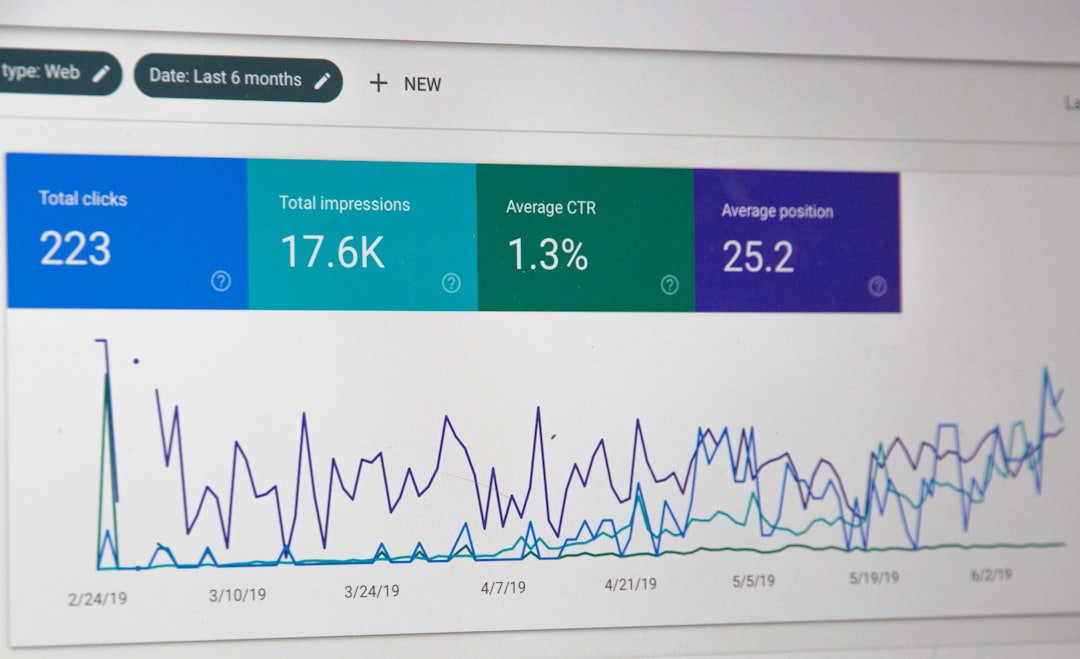
Growth produces data from every direction: sales calls, website visits, product usage, support tickets, advertising campaigns, and financial transactions. Business intelligence tools help companies turn that data into usable insights.
Dashboards can show performance indicators such as monthly recurring revenue, conversion rates, customer acquisition cost, churn, average order value, employee utilization, and project profitability. AI-powered analytics can also highlight unusual patterns, forecast trends, and suggest areas for improvement.
The key is to track metrics that support decisions. A company does not need hundreds of dashboards. It needs a focused set of measurements that reveal whether the business is becoming healthier, more efficient, and more profitable.
Automation and Integration Platforms
One of the biggest advantages of modern business software is the ability to connect tools together. Automation platforms can move information between apps, trigger notifications, create tasks, update records, and reduce repetitive work.
For example, when a website visitor submits a form, an automation can create a CRM lead, notify the sales team, send a welcome email, and assign a follow-up task. When an invoice is paid, another automation can update accounting records and alert the account manager.
These workflows save time and reduce mistakes. They also help companies build consistent processes that do not depend on one employee remembering every step.
How Companies Should Choose Their Toolkit
A growing company should not adopt tools simply because they are popular. Each app should solve a real business problem. Before buying new software, management should evaluate team needs, budget, technical skills, security requirements, and integration options.
A practical selection process may include:
- Identify the problem: define the bottleneck before choosing a tool.
- Map the workflow: understand how work currently moves through the company.
- Compare options: review features, pricing, support, and scalability.
- Test with a pilot team: validate usefulness before company-wide rollout.
- Train employees: ensure teams understand both the tool and the process.
- Review regularly: remove apps that duplicate work or no longer provide value.
The best toolkit is balanced. Too few tools can create inefficiency, while too many can create confusion and unnecessary cost. Leaders should aim for a connected ecosystem where each platform has a clear purpose.
Security, Governance, and Responsible AI
As companies rely more heavily on apps and AI systems, security becomes a strategic priority. Management should consider access permissions, password policies, data storage, vendor reliability, compliance obligations, and employee training.
Responsible AI use also matters. AI outputs may be inaccurate, outdated, biased, or incomplete. Companies should require human review for important decisions, especially in finance, hiring, legal matters, customer communication, and strategic planning.
Clear governance allows teams to benefit from innovation without creating unnecessary risk. Policies should be simple enough for employees to follow and strong enough to protect the business.
Conclusion
For growing companies, a modern business toolkit is no longer optional. AI and management apps help teams organize work, serve customers, manage money, hire effectively, automate routine tasks, and understand performance. When selected thoughtfully, these tools create a foundation for scalable growth.
The most successful companies do not chase every new app. They build a toolkit around their goals, workflows, and people. With the right systems in place, a growing business can operate with more clarity, speed, and confidence.
FAQ
What are the most important apps for a growing company?
The most important apps usually include project management software, CRM, accounting tools, communication platforms, HR systems, analytics dashboards, and AI productivity assistants.
How can AI help a growing business?
AI can help by drafting content, summarizing meetings, analyzing data, automating customer support, improving research, and reducing repetitive administrative work.
Should small companies invest in management software early?
Yes, but they should start with simple tools that solve immediate problems. Early systems can prevent disorganization as the company grows.
How many tools should a company use?
A company should use only as many tools as it needs to operate efficiently. Too many apps can create confusion, duplicate data, and increase costs.
What should leaders consider before adopting an AI tool?
Leaders should consider data privacy, accuracy, employee training, integration with existing systems, cost, security, and whether human review is required.
How often should a company review its software toolkit?
Most companies should review their toolkit at least once or twice a year to remove unused apps, reduce overlap, and identify better solutions.