
Smart home technology has moved far beyond turning lights on and off with a voice command. For creative people and entertainment enthusiasts, the right connected devices can make a home feel like a studio, an arcade, a cinema, or a gallery. Whether you love discovering new artists, competing online, or editing photos late into the night, smart devices can improve comfort, performance, and inspiration.
TLDR: Music lovers should prioritize smart speakers, multiroom audio, and immersive lighting that reacts to sound. Gamers benefit most from fast networking gear, adaptive lighting, smart displays, and voice-controlled comfort upgrades. Photographers should look for smart storage, color-accurate lighting, digital frames, and connected security tools for protecting gear and managing creative work.
For Music Lovers: Build a Home That Sounds Alive
For anyone who treats music as more than background noise, the best smart home devices are the ones that make listening effortless and immersive. A high-quality smart speaker is the obvious starting point, but the real magic happens when multiple devices work together across rooms.
Smart speakers from brands such as Sonos, Apple, Amazon, Google, and Bose can stream from popular services, respond to voice commands, and sync with other audio devices. A multiroom setup lets you start a playlist in the kitchen, continue it in the living room, and move it to the bedroom without touching your phone. For music lovers, this creates a sense of flow that traditional speakers rarely match.

If sound quality matters most, consider a smart soundbar with a wireless subwoofer. While soundbars are often marketed for movies, many premium models handle music beautifully, offering rich bass, clear vocals, and room calibration features. Some systems automatically adjust audio based on wall placement and room shape, which is especially useful if your space is not acoustically perfect.
Another excellent upgrade is smart lighting that syncs with music. Systems such as Philips Hue, Govee, Nanoleaf, and similar platforms can pulse, fade, and shift colors to match the rhythm of a song. This is perfect for parties, personal listening sessions, or simply creating the right mood for a favorite album.
- Best for casual listeners: A compact voice-controlled smart speaker.
- Best for audiophiles: A premium multiroom speaker system with lossless streaming support.
- Best for parties: Smart light panels or bulbs that react to music.
- Best for vinyl fans: A Bluetooth or Wi-Fi enabled turntable connected to smart speakers.
Music lovers should also consider smart plugs for older stereo receivers. By connecting traditional audio equipment to smart plugs, you can power systems on and off remotely or include them in routines. For example, saying “start evening listening” could dim the lights, turn on your receiver, and launch a jazz playlist.
For Gamers: Create a Faster, Smarter Battle Station
Gamers often focus on consoles, PCs, monitors, and controllers, but smart home devices can make an equally noticeable difference. A great gaming environment is responsive, comfortable, and visually exciting. That begins with a strong connection.
A mesh Wi-Fi system is one of the smartest upgrades for gamers, especially in homes where the router is far from the gaming room. Modern mesh systems improve coverage and reduce dead zones, helping consoles, handhelds, phones, and cloud gaming devices stay connected. Some gaming-focused routers also include traffic prioritization, allowing game data to take priority over streaming or downloads.
Smart lighting is another major win. Backlights behind a monitor or TV reduce eye strain and add atmosphere, while LED strips and wall panels can match game colors in real time. Racing games feel more intense with red and blue light streaks, fantasy games become more atmospheric with warm glows, and sci-fi games look sharper against cool neon tones.
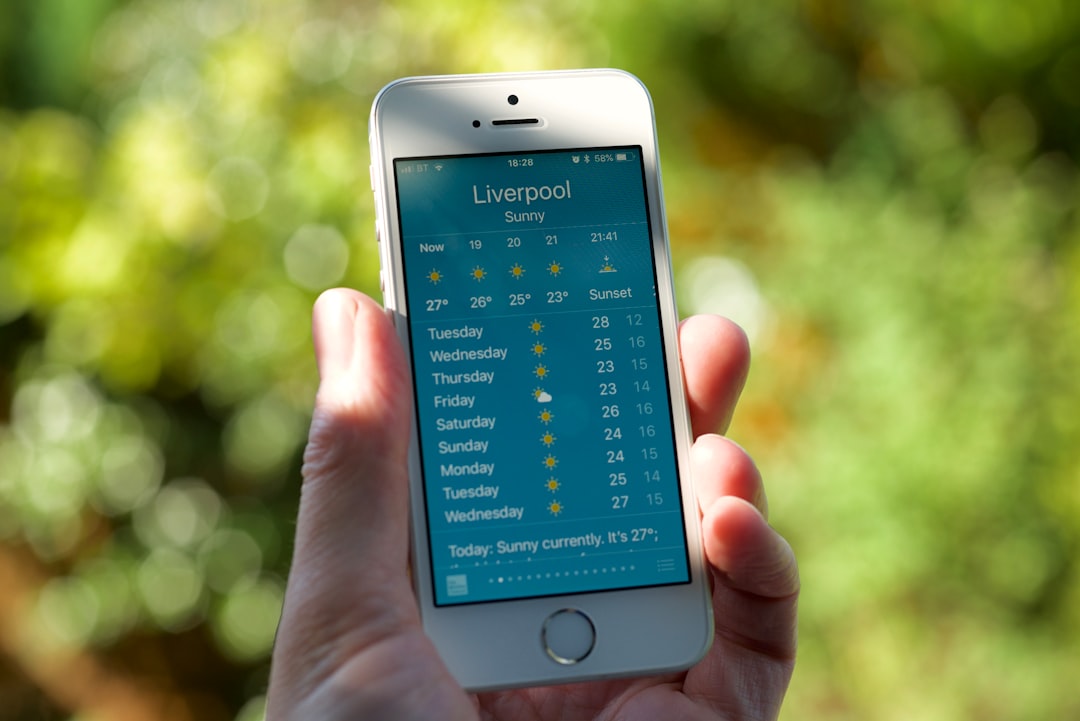
A smart display can also be surprisingly useful. Place one on a desk or shelf to show calendar reminders, stream walkthroughs, check camera feeds, control lighting, or manage music without leaving the game. Voice assistants can adjust the thermostat, close smart blinds, or turn on a fan while your hands stay on the controller.
Comfort devices matter too. A smart thermostat helps keep the room from getting too warm during long gaming sessions, especially with a powerful PC or console producing heat. Smart fans and air purifiers can also help maintain airflow and reduce dust, which is good for both players and hardware.
- Upgrade your network first: Low latency matters more than flashy lights.
- Add responsive lighting: Bias lighting helps reduce eye fatigue during night sessions.
- Use voice control: Adjust the room without pausing the action.
- Protect equipment: Smart surge protectors can monitor power and shut off devices remotely.
For streamers, smart devices can improve production quality. Smart key lights offer adjustable brightness and color temperature, helping your face look natural on camera. A simple smart button can trigger scenes, lights, or recording setups. Combined with a good microphone and camera, these tools can make a gaming space feel professional without requiring a full studio.
For Photographers: Smarter Tools for Shooting, Editing, and Displaying Work
Photographers have a different set of smart home priorities. Their ideal environment supports creativity, protects expensive gear, and makes it easier to review and display images. One of the best investments is smart, adjustable lighting. Color temperature matters when editing photos, and lights that shift from warm to cool can help create a more accurate workspace.
For editing rooms, look for smart bulbs or panels that allow precise brightness and color controls. While they will not replace a calibrated monitor, they can reduce glare and help maintain consistent viewing conditions. A routine called “editing mode” could lower the blinds, set neutral white lighting, and turn on a desk lamp at the right brightness.
Storage is another key area. A network attached storage device, often called a NAS, may not seem like a typical smart home product, but it is incredibly useful for photographers. It can automatically back up files from computers and mobile devices, organize large image libraries, and provide remote access while traveling. Some models integrate with cloud services for extra redundancy.
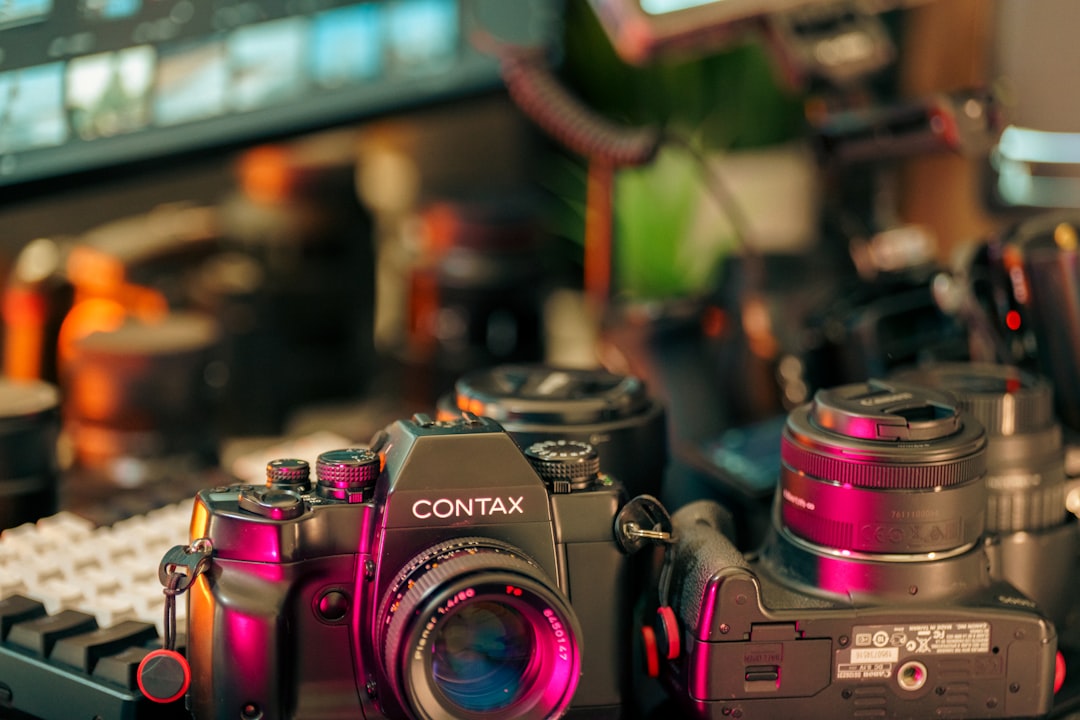
Digital photo frames have also become much smarter. Modern connected frames can receive images directly from a phone, cloud album, or email address. This makes them ideal for showcasing portfolios, family photos, travel shots, or recent projects. Instead of leaving thousands of images hidden on a hard drive, photographers can enjoy a rotating gallery at home.
Security devices are especially important for anyone with valuable cameras, lenses, drones, or lighting equipment. Smart locks, doorbell cameras, motion sensors, and indoor cameras help monitor storage rooms and entry points. Some systems can send alerts when movement is detected, while smart sensors can track temperature and humidity in gear closets.
- Best for editing: Adjustable smart lights with neutral white settings.
- Best for backup: A NAS with automatic photo syncing.
- Best for display: A Wi-Fi digital frame with cloud album support.
- Best for protection: Smart cameras, locks, and environmental sensors.
Smart Routines That Bring It All Together
The most exciting part of a smart home is not owning individual devices; it is creating routines that match your hobbies. A music lover might create a “vinyl night” scene that turns on warm lamps, powers the amplifier, and lowers the volume of notifications. A gamer might use a “ranked match” command to activate fast lighting, cool the room, and silence distractions. A photographer might trigger “studio mode” to set lights, lock the front door, and start a backup drive.
When choosing devices, compatibility is crucial. Products that support platforms such as Apple Home, Google Home, Amazon Alexa, Samsung SmartThings, or Matter are easier to combine. Before buying, check whether the device works with your preferred ecosystem and whether it supports automation beyond basic voice commands.
Final Thoughts
The best smart home devices are not necessarily the most expensive or futuristic. They are the ones that make your favorite activities easier, richer, and more enjoyable. Music lovers should focus on sound quality and atmosphere, gamers should prioritize speed and comfort, and photographers should invest in lighting, storage, display, and security.
With the right combination of devices, your home can respond to the way you create, play, and relax. Instead of simply being connected, it becomes personalized — a space that understands when it is time to listen deeply, compete seriously, or capture the perfect image.