
Telemedicine apps are reshaping modern healthcare by allowing patients and providers to connect beyond the walls of hospitals and clinics. Through secure video consultations, remote monitoring tools, artificial intelligence, and real-time data sharing, these platforms make diagnosis and long-term care management more efficient and accessible. As healthcare systems face rising demand and workforce shortages, telemedicine technology is becoming a critical solution rather than a temporary alternative.
TLDR: Telemedicine apps improve remote diagnosis and ongoing health monitoring through video consultations, AI-assisted symptom analysis, and connected medical devices. They increase healthcare access, reduce costs, and help clinicians make faster, data-driven decisions. Leading platforms integrate wearable devices, secure messaging, and electronic health records for seamless care. With continued innovation, telemedicine is transforming how patients receive and manage treatment.
The rapid adoption of telemedicine apps reflects growing patient demand for convenience and accessibility. In rural communities, underserved urban areas, and even busy metropolitan centers, patients benefit from avoiding long travel times and long waiting rooms. Meanwhile, providers gain the ability to monitor more patients efficiently, prioritize urgent cases, and maintain continuity of care.
How Telemedicine Apps Enhance Remote Diagnosis
Remote diagnosis relies on accurate information gathering, clinical assessment, and timely intervention. Telemedicine apps enhance these processes through several digital tools and features.
- High-Quality Video Consultations: Real-time HD video allows physicians to observe visible symptoms, guide patients through self-exams, and assess conditions such as rashes, swelling, respiratory distress, or mobility concerns.
- AI-Powered Symptom Checkers: Many apps incorporate artificial intelligence to collect symptom data before appointments, streamlining the diagnostic process.
- Digital Intake Forms: Automated patient history collection reduces administrative burdens and minimizes errors.
- Integration with Electronic Health Records (EHR): Clinicians can instantly access medical histories, lab results, and medication records.
- Secure Image Sharing: Patients can upload high-resolution images of skin conditions, injuries, or post-surgical progress.
AI triage tools are especially useful in prioritizing cases. By analyzing reported symptoms against large medical databases, these systems can flag potential emergencies and recommend immediate care when necessary.

Although telemedicine does not replace physical examinations for all conditions, it effectively manages many common illnesses, chronic conditions, mental health consultations, and follow-up appointments. The efficiency gained enables providers to focus in-person care on patients who truly require it.
Remote Monitoring Through Connected Devices
Beyond remote diagnosis, telemedicine apps significantly enhance long-term patient monitoring. Connected medical devices and wearables provide continuous data streams, allowing providers to detect changes early and intervene proactively.
Common monitoring tools include:
- Smart Blood Pressure Monitors
- Glucose Monitoring Systems
- Pulse Oximeters
- Wearable ECG Monitors
- Fitness and Activity Trackers
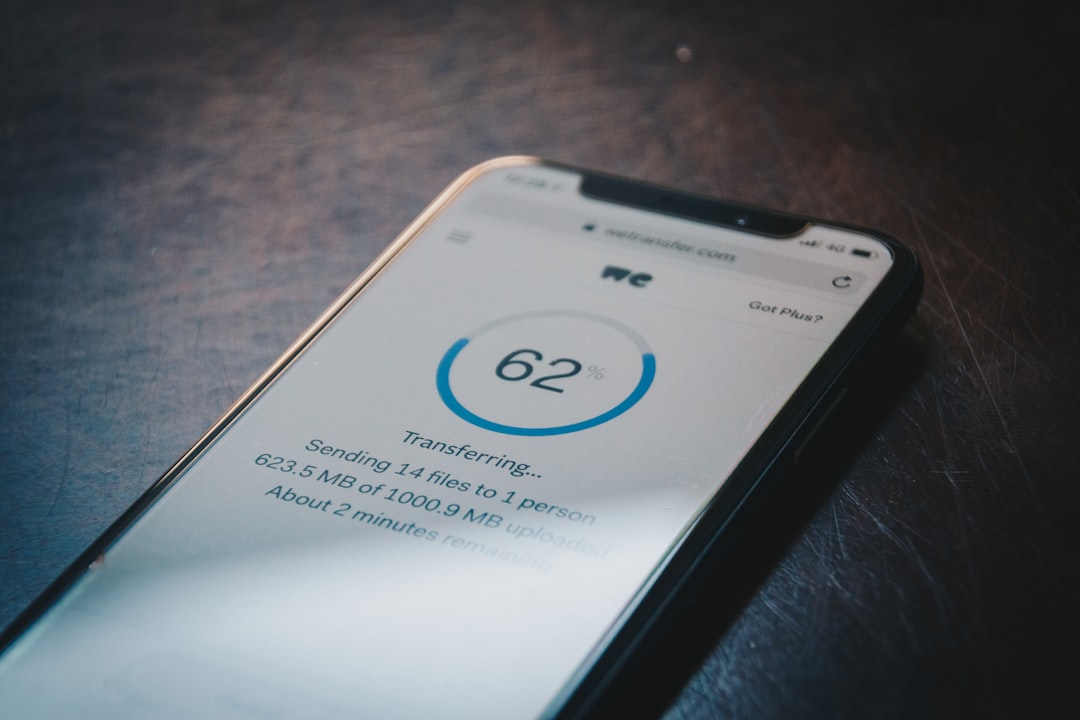
These devices sync with telemedicine apps, transmitting data securely to healthcare providers. Instead of relying solely on periodic in-office readings, clinicians can assess trends over time. Subtle shifts in vital signs may indicate worsening conditions before symptoms become severe.
For example, patients with heart failure can be monitored for small fluctuations in weight or heart rate variability that signal fluid retention. Diabetic patients benefit from automatic blood glucose logs that notify providers of persistent hyperglycemia or hypoglycemia.
This continuous monitoring reduces hospital readmissions and improves outcomes. It also empowers patients by giving them visibility into their own health metrics.
Top Telemedicine Apps Enhancing Diagnosis and Monitoring
Several telemedicine platforms stand out for their innovation and comprehensive feature sets. The following apps are widely recognized for enhancing remote care delivery:
- Teladoc Health – Offers 24/7 virtual consultations, mental health services, and chronic condition management programs.
- Amwell – Provides urgent care, therapy sessions, and specialist visits through secure video conferencing.
- Doctor on Demand – Integrates behavioral health and preventive care with a user-friendly interface.
- MDLIVE – Focuses on affordable virtual primary care and dermatology services.
- TytoCare – Combines app-based consultations with a handheld examination device for heart, lung, ear, and throat assessments.
Comparison Chart of Leading Telemedicine Apps
| App | Video Consultations | Remote Monitoring Integration | AI Symptom Tools | Specialty Care |
|---|---|---|---|---|
| Teladoc Health | Yes | Yes | Yes | Mental health, chronic care |
| Amwell | Yes | Limited | Basic | Urgent care, therapy |
| Doctor on Demand | Yes | Integration available | Pre-visit intake | Behavioral health |
| MDLIVE | Yes | Limited | No | Dermatology, primary care |
| TytoCare | Yes | Device-based diagnostics | No | Home physical exams |
Each platform offers distinct strengths. Some prioritize chronic disease management, while others emphasize urgent virtual care or device-assisted diagnostics.
Security and Data Protection in Telemedicine
Because telemedicine apps handle sensitive patient information, robust security measures are essential. Most reputable platforms implement:
- End-to-end encryption
- Multi-factor authentication
- HIPAA-compliant storage systems
- Secure cloud infrastructure
Maintaining patient trust depends heavily on data privacy. Healthcare providers must also educate patients about secure networks and device protection when accessing telehealth services from home.
Benefits for Patients and Providers
The advantages of telemedicine apps extend across the healthcare ecosystem.
For Patients:
- Reduced travel and waiting times
- Greater access to specialists
- Improved chronic disease management
- Increased convenience and comfort
- Real-time feedback from wearable devices
For Providers:
- Enhanced patient engagement
- Broader geographic reach
- More efficient workflow management
- Data-driven clinical insights
- Reduced hospital readmissions
Telemedicine also supports preventive care. Regular digital check-ins encourage early detection of emerging health issues, reducing long-term complications and healthcare costs.
Challenges and Limitations
Despite its benefits, telemedicine is not without challenges. Limited internet access in certain regions can reduce the effectiveness of video consultations. Additionally, certain diagnoses still require in-person physical examination or laboratory testing.
Other potential limitations include:
- Digital literacy barriers among elderly patients
- Inconsistent insurance reimbursement policies
- Licensing restrictions across state or national borders
- Potential technical disruptions
However, ongoing technological development and regulatory adaptation continue to address many of these obstacles.
The Future of Telemedicine Apps
The next generation of telemedicine applications is expected to integrate even more advanced capabilities. Emerging innovations include:
- Artificial intelligence diagnostic assistants capable of analyzing speech patterns, facial cues, and biometric signals.
- Predictive analytics to forecast disease progression.
- Remote imaging technologies connected to smartphones.
- Augmented reality-guided examinations to assist patients during self-assessments.
As 5G connectivity expands and wearable technology becomes more sophisticated, remote healthcare delivery will likely grow increasingly precise and reliable. Telemedicine is shifting from reactive care to proactive health management.
Ultimately, telemedicine apps represent more than a convenience; they symbolize a transformation in how healthcare systems operate. By combining clinical expertise with digital innovation, these platforms are making high-quality medical care accessible anytime and anywhere.
Frequently Asked Questions (FAQ)
- 1. Are telemedicine apps accurate for diagnosis?
Telemedicine apps are highly effective for many common conditions, follow-ups, and chronic disease management. However, certain complex cases still require in-person examinations and diagnostic testing. - 2. Is patient data safe on telemedicine platforms?
Most reputable apps use encrypted communication, secure cloud storage, and regulatory compliance standards to protect patient data. - 3. What equipment is needed for remote monitoring?
Patients may use devices such as digital blood pressure monitors, glucose meters, pulse oximeters, or wearable ECG trackers that sync with telemedicine apps. - 4. Can telemedicine replace traditional healthcare visits?
Telemedicine complements traditional care but does not fully replace it. It is ideal for routine consultations, mental health services, and chronic condition management. - 5. Do insurance providers cover telemedicine services?
Coverage varies by provider and location. Many insurers now include telehealth services due to rising demand and proven cost-effectiveness.