
In the digital age, every device connected to the internet needs an IP (Internet Protocol) address. It’s essentially a unique identifier that allows devices to send and receive data. But not all IP addresses are created equal. One of the major distinctions involves whether the IP is static or dynamic. Understanding this difference is crucial for both casual users and IT professionals alike.
TL;DR (Too Long; Didn’t Read)
Static IP addresses remain constant and do not change over time, making them ideal for hosting and remote access. Dynamic IP addresses, on the other hand, are temporarily assigned and change periodically, offering convenience and cost-efficiency. The choice between the two depends on your specific use case—static for businesses or tech-specific needs, dynamic for general consumers. Each option comes with its own pros and cons regarding stability, security, and cost.
What Is an IP Address?
An IP address is a numerical label assigned to each device connected to a computer network. It serves two primary functions: identifying the host or network interface and providing the location of the host in the network. Think of it like a mailing address for your devices on the internet.
Static IP Address
Static IPs are fixed addresses manually configured for a device or assigned by a network administrator. Once set, the address doesn’t change unless it is manually altered. Here are some common uses for static IP addresses:
- Hosting websites or email servers
- Remote access solutions, such as VPNs or remote desktops
- Network equipment, like routers and printers, where address consistency is important
With static IPs, there’s no risk of an address changing after a system reboot, making them reliable for services that depend on uninterrupted address mapping like DNS records.
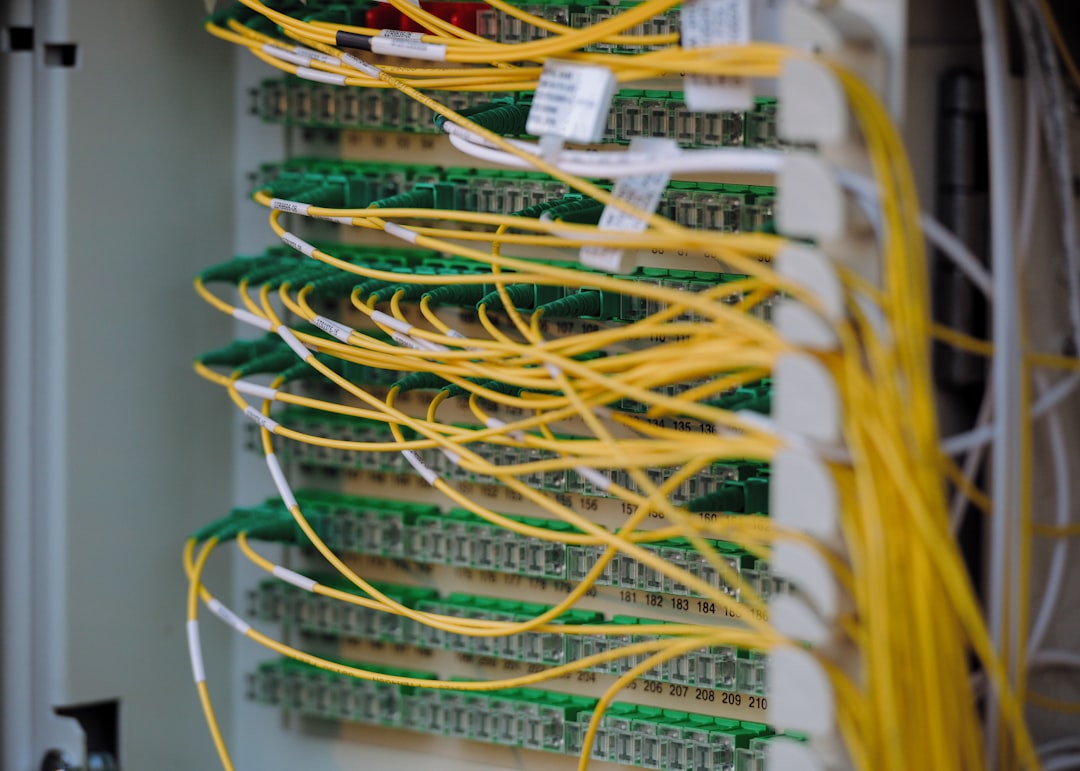
Benefits of Static IP Addresses
- Consistency: The address remains the same, simplifying tasks like remote access or DNS setup.
- Better DNS Support: Easier to connect domains or other systems to the exact server.
- Improved Remote Access: Facilitates direct and stable remote connections.
Drawbacks of Static IP Addresses
- Cost: Generally more expensive than dynamic IPs because special allocation is required.
- Configuration Complexity: Requires manual setup.
- Security Risks: Since the address is fixed, it can be more vulnerable to targeted attacks.
Dynamic IP Address
Dynamic IPs are assigned automatically by a DHCP (Dynamic Host Configuration Protocol) server. Most ISPs assign dynamic IPs to home users. These addresses can change from time to time, especially after a reboot or lease expiration depending on the ISP’s settings.
Dynamic IPs are typically sufficient for everyday internet usage, such as web browsing, streaming, emailing, and most consumer-level gaming.
Benefits of Dynamic IP Addresses
- Lower Cost: Comes bundled with internet plans at no additional cost.
- Simple Setup: IP configuration is managed automatically.
- Enhanced Security: Regularly changing IPs make it harder for hackers to track or target devices.
Drawbacks of Dynamic IP Addresses
- Inconsistency: Not reliable for uses requiring a fixed address.
- Limited Remote Access: Can complicate remote connections if the IP changes frequently.
- DNS Issues: Hard to link meaningful domain names for hosting purposes.

Use Cases: When to Choose Static vs Dynamic
Choosing between a static and dynamic IP address largely depends on your needs. Here are scenarios where one may be preferred over the other:
Opt for Static IP if you:
- Host your own website or server
- Need reliable remote desktop access
- Run IP security cameras or game servers
- Use VPNs where consistent access is required
Opt for Dynamic IP if you:
- Are a general consumer using the internet for basic activities
- Do not require remote access to a private network
- Value simplicity and low cost
Security Implications
Security is a key consideration when comparing static and dynamic IPs. Dynamic IPs offer better protection as the IP address changes periodically, making it less likely to be targeted by hackers over time. Static IPs, while easier to manage, remain exposed if not properly secured, especially if used for web or email hosting.
For businesses using static IPs, it is essential to implement firewalls, encryption, and access control mechanisms to mitigate risks. On the other hand, dynamic IPs provide a level of “security through obscurity” but shouldn’t be treated as a replacement for standard security protocols.
How to Find Out What IP Type You Have
Most users can find their IP type by accessing their network or router settings. Here’s a simple way:
- On Windows, open Command Prompt and type
ipconfig /all - On macOS, go to System Preferences > Network
- Contact your ISP for verification as not all systems show this clearly
Identifying the IP type can help determine what changes or configurations might be necessary for specific applications or services.
Can You Switch Between Static and Dynamic?
Yes, you can switch, and in some cases, it may be beneficial to do so based on evolving needs. Most ISPs offer the ability to purchase a static IP for an additional fee. On local networks, routers can be configured to assign static IPs to specific devices.
Conclusion
The choice between static and dynamic IP addresses comes down to the balance of control, cost, and convenience. While static IPs offer reliability and are ideal for professional use cases, dynamic IPs are well-suited for residential and general internet use. Understanding the characteristics, benefits, and drawbacks of both options can help users and businesses make informed decisions about their networking strategies.
FAQs
- Q: Is a static IP faster than a dynamic IP?
A: Not necessarily. Speed is more dependent on the quality of your internet connection and ISP than on the type of IP address. - Q: Can I get a static IP at home?
A: Yes, many ISPs offer static IPs for home users at an additional cost. You can also configure static IPs locally within your own network. - Q: How often does a dynamic IP address change?
A: It varies by ISP. Some change every time the router restarts, others only after days or weeks, depending on lease duration. - Q: Is a static IP more secure?
A: Not inherently. In fact, because they don’t change, static IPs can be more vulnerable if not secured with proper precautions. - Q: Can I host a website with a dynamic IP?
A: Technically yes, but it’s far less reliable. Using a static IP or a dynamic DNS service is usually recommended for hosting purposes.