Social media has transformed the way brands communicate, market, and build relationships. What once started as simple platforms for sharing updates has evolved into high-stakes arenas where reputation can soar—or collapse—in a matter of minutes. While countless companies have successfully leveraged social platforms to drive growth and loyalty, others have experienced the opposite effect. In many cases, well-intended campaigns have spiraled into public relations disasters, leaving lasting scars on brand credibility.
TLDR: Social media offers massive opportunities but also significant risks. Brands that ignore cultural sensitivity, timing, audience sentiment, or crisis management can quickly face public backlash. Several high-profile campaigns have backfired due to tone-deaf messaging or poor execution. Learning from these missteps helps organizations craft more thoughtful and resilient strategies.
Understanding why some campaigns fail requires a closer look at the strategic miscalculations behind them. Social media missteps often stem from rushed decisions, a lack of audience understanding, or an attempt to capitalize on sensitive issues. Below are some of the most common social media strategies that ultimately backfired—and why.
1. Hijacking Serious Social Issues
One of the most controversial tactics brands have employed is inserting themselves into serious cultural or political conversations for marketing gain. While aligning with meaningful causes can build goodwill, doing so without authenticity can have the opposite effect.
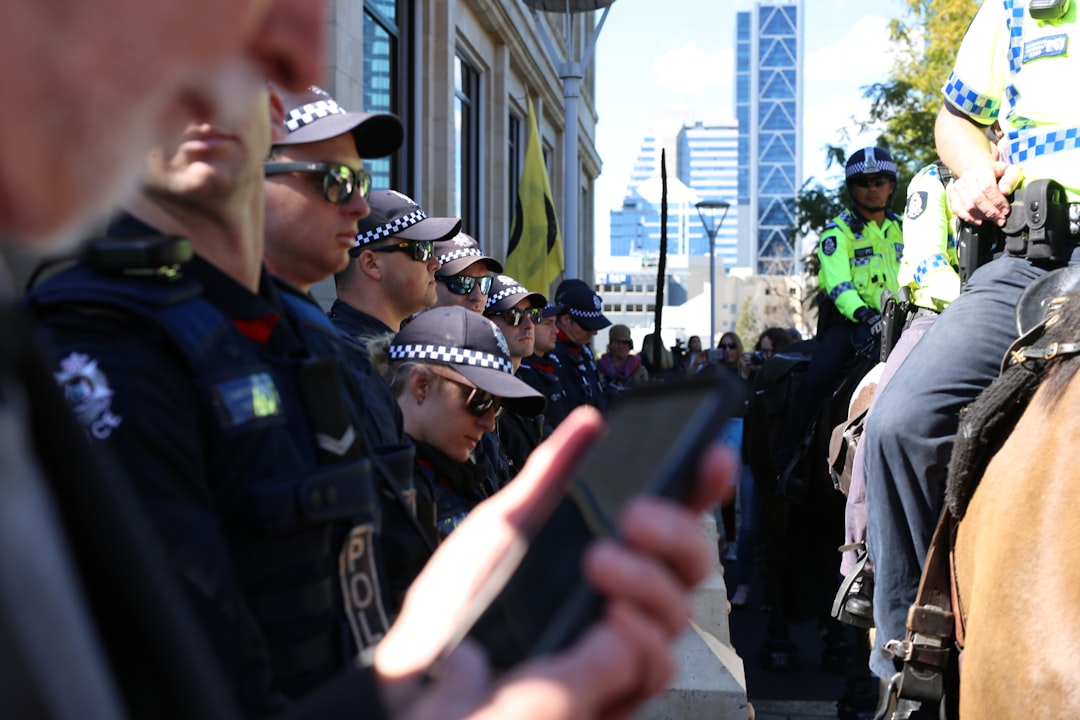
In several well-known cases, companies attempted to connect their products to social justice movements through glossy advertisements. Audiences quickly criticized these campaigns for trivializing serious struggles. The backlash was swift, with viewers accusing brands of opportunism and commercialization of hardship.
Why it backfired:
- Lack of authenticity — The campaigns appeared more focused on profit than progress.
- Tone-deaf messaging — Simplified narratives undermined complex issues.
- Poor timing — Launching promotional content during periods of genuine crisis amplified criticism.
Audiences increasingly expect brands to contribute meaningfully rather than superficially. When messaging appears performative instead of purposeful, trust erodes quickly.
2. Insensitive Real-Time Marketing
Real-time marketing can be powerful. Brands that respond quickly to trending topics often receive significant engagement. However, reacting without fully understanding a situation has repeatedly led to public outrage.
Several companies have attempted to capitalize on breaking news events, natural disasters, or global crises with promotional posts. While the intention may have been clever engagement, the execution came across as exploitative.
For example, promotional tweets referencing hurricanes, pandemics, or public tragedies—paired with discount codes—were widely condemned. These posts were often deleted within hours, but screenshots ensured they lived on indefinitely.
Key lessons from these failures:
- Not every trend is appropriate for brand participation.
- Speed should never override sensitivity.
- Internal review processes are essential during volatile events.
Brands that pause before posting are often better equipped to maintain credibility during unpredictable news cycles.
3. Overreliance on Automation
Automation tools allow companies to schedule posts weeks or months in advance. While convenient, this approach can create serious problems when content goes live during inappropriate moments.
Several brands have experienced backlash after pre-scheduled promotional posts published during national tragedies. The automated systems did exactly what they were instructed to do—but without human judgment.

What went wrong:
- No crisis kill switch — Scheduled posts continued despite unfolding events.
- Lack of monitoring — Teams failed to pause campaigns during emergencies.
- Impersonal tone — Automated messaging felt detached and insensitive.
The takeaway is not to abandon automation altogether. Instead, companies must implement safeguards and active monitoring to ensure flexibility when circumstances change.
4. Self-Deprecating Humor Gone Too Far
Humor is often effective on platforms like Twitter, TikTok, and Instagram. Many brands have built strong followings by adopting witty or sarcastic voices. However, humor is highly subjective—and risky.
Some companies have attempted edgy jokes that crossed the line into offensive territory. Whether referencing cultural stereotypes or making light of sensitive issues, these posts sparked backlash from communities who felt targeted or mocked.
Even when humor is intended to be self-deprecating, it can misfire if audiences perceive it as minimizing serious concerns.
Why humor misfires:
- Cultural context varies across audiences.
- Online tone is easily misinterpreted.
- Viral spread amplifies mistakes rapidly.
Successful brands carefully test humorous content internally before releasing it publicly. What seems clever in a boardroom may not resonate the same way online.
5. Hashtag Campaigns That Invite the Wrong Attention
Branded hashtags are designed to encourage user participation. When executed correctly, they generate valuable user-generated content and engagement. When poorly designed, they can become magnets for criticism.
In multiple instances, brands launched hashtags inviting customers to share positive experiences—only to see the campaign flooded with complaints. Dissatisfied customers seized the opportunity to highlight poor service or controversial policies.

Common pitfalls include:
- Ignoring existing customer dissatisfaction.
- Failing to anticipate parody or satire.
- Overestimating overall brand sentiment.
Open-ended invitations for public comment can expose unresolved problems. Transparent organizations that actively address complaints are better positioned to avoid such digital backlash.
6. Influencer Partnerships Without Due Diligence
Influencer marketing has become central to many social media strategies. However, partnerships can quickly become liabilities if influencers engage in controversial behavior.
Brands have faced criticism after sponsoring creators who later made offensive statements or became involved in scandals. Because partnerships often signal endorsement, audiences frequently hold companies responsible by association.
What brands overlooked:
- Insufficient background checks.
- Lack of morality clauses in contracts.
- Failure to monitor ongoing influencer behavior.
Comprehensive vetting and clear contractual protections are essential safeguards in influencer collaborations.
7. Deleting Criticism Instead of Addressing It
When backlash strikes, some organizations attempt to control damage by deleting negative comments or disabling replies. While moderation is sometimes necessary, excessive deletion often fuels greater outrage.
Audiences interpret heavy-handed comment removal as censorship. In several cases, users responded by amplifying screenshots across platforms, intensifying criticism rather than containing it.
Effective alternatives include:
- Publicly acknowledging concerns.
- Providing clear explanations or apologies.
- Demonstrating corrective action.
A thoughtful and transparent response often diffuses tension more effectively than silence.
8. Failed Attempts at Viral Trends
Chasing virality can be tempting. Brands sometimes replicate trending dances, memes, or challenges in hopes of reaching younger audiences. However, forced participation can appear inauthentic.
Campaigns have failed when companies adopted slang incorrectly, misunderstood meme origins, or executed trends awkwardly. Instead of appearing relatable, they seemed disconnected from the culture they were attempting to join.
Core miscalculations:
- Not understanding platform-specific culture.
- Trying too hard to appear “cool.”
- Ignoring generational authenticity cues.
Organic engagement typically outperforms manufactured trend chasing.
9. Poor Crisis Response Timing
When a campaign backfires, response time matters. Delayed apologies or defensive statements often worsen public sentiment. In contrast, swift and sincere acknowledgment can prevent prolonged backlash.
Companies that hesitated to respond—or issued vague non-apologies—faced extended criticism cycles. Audiences increasingly value accountability and expect brands to assume responsibility quickly.
An effective crisis response includes:
- Immediate acknowledgment of concerns.
- Clear ownership of mistakes.
- Concrete steps for improvement.
A poorly managed social media crisis can linger for years, affecting brand perception and even stock value.
The Broader Lesson
Across all these examples, a common theme emerges: empathy and strategic foresight matter more than speed or cleverness. Social media amplifies both success and failure. Brands that prioritize cultural awareness, audience insight, and thoughtful messaging are significantly less likely to experience public fallout.
Ultimately, social platforms reward authenticity. Organizations that understand their audience, align with genuine values, and maintain agile oversight mechanisms are better positioned to avoid joining the growing list of social media strategies that backfired.
Frequently Asked Questions (FAQ)
1. Why do social media campaigns backfire so quickly?
Social platforms enable instant sharing and commentary. When users perceive content as offensive or tone-deaf, criticism spreads rapidly through retweets, shares, and screenshots, accelerating backlash.
2. Can brands recover from a social media mistake?
Yes, many brands recover by issuing sincere apologies, correcting errors, and demonstrating meaningful changes. Transparency and consistent follow-through are key.
3. How can companies prevent tone-deaf posts?
Implementing diverse review teams, conducting cultural sensitivity evaluations, and pausing marketing during major events can significantly reduce risk.
4. Should brands avoid engaging in social issues altogether?
Not necessarily. Engagement can be positive when aligned with genuine company values and supported by real action. Audiences respond well to authenticity rather than performative gestures.
5. Is automation inherently risky?
Automation itself is not the problem. The risk arises when automated systems operate without oversight during rapidly changing situations. Active monitoring and contingency plans mitigate this risk.
6. What is the biggest lesson from failed campaigns?
The most consistent lesson is that empathy, preparation, and authenticity outperform attempts at opportunism or shock value. Careful planning and audience awareness remain the strongest defenses against social media backlash.