Businesses today operate in an environment where energy is no longer just a utility expense—it is a strategic lever for growth, resilience, and sustainability. Rising energy prices, increasing regulatory pressures, and heightened environmental awareness have pushed organizations to rethink how they generate, manage, and consume power. Enter smart technology and data-driven business energy solutions: an ecosystem of intelligent devices, advanced analytics, and automation platforms that transform raw energy usage into measurable business value. By leveraging real-time data and connected systems, companies can optimize performance, cut costs, and reduce their carbon footprint without compromising productivity.
TLDR: Smart technology and data-driven energy solutions allow businesses to monitor, analyze, and optimize their energy consumption in real time. Using IoT sensors, AI-powered analytics, and automation, companies can reduce costs, improve efficiency, and meet sustainability goals. These tools provide actionable insights that turn energy management from a reactive expense into a proactive strategy. The result is lower operational risk, better compliance, and stronger environmental performance.
At its core, a data-driven energy approach relies on visibility. Traditional energy management often involved reviewing monthly utility bills and reacting after costs had already accumulated. Today, smart meters, connected sensors, and cloud-based dashboards provide minute-by-minute insights into how, when, and where energy is consumed. This granular visibility empowers decision-makers to identify inefficiencies, detect anomalies, and uncover patterns that would otherwise remain hidden.
The Foundation: Smart Infrastructure
Smart infrastructure is the backbone of intelligent energy management. It integrates hardware and software to create an interconnected system that continuously gathers and analyzes performance data.
- Smart Meters: Provide real-time tracking of electricity, gas, and water usage.
- IoT Sensors: Monitor temperature, occupancy, equipment load, and environmental conditions.
- Building Management Systems (BMS): Centralize control over HVAC, lighting, and security.
- Edge Devices: Process data locally for faster response times and reduced latency.
When integrated properly, these technologies form a dynamic network that adapts to changing conditions. For instance, lighting systems can dim automatically in response to natural daylight levels, while HVAC units adjust based on occupancy patterns.
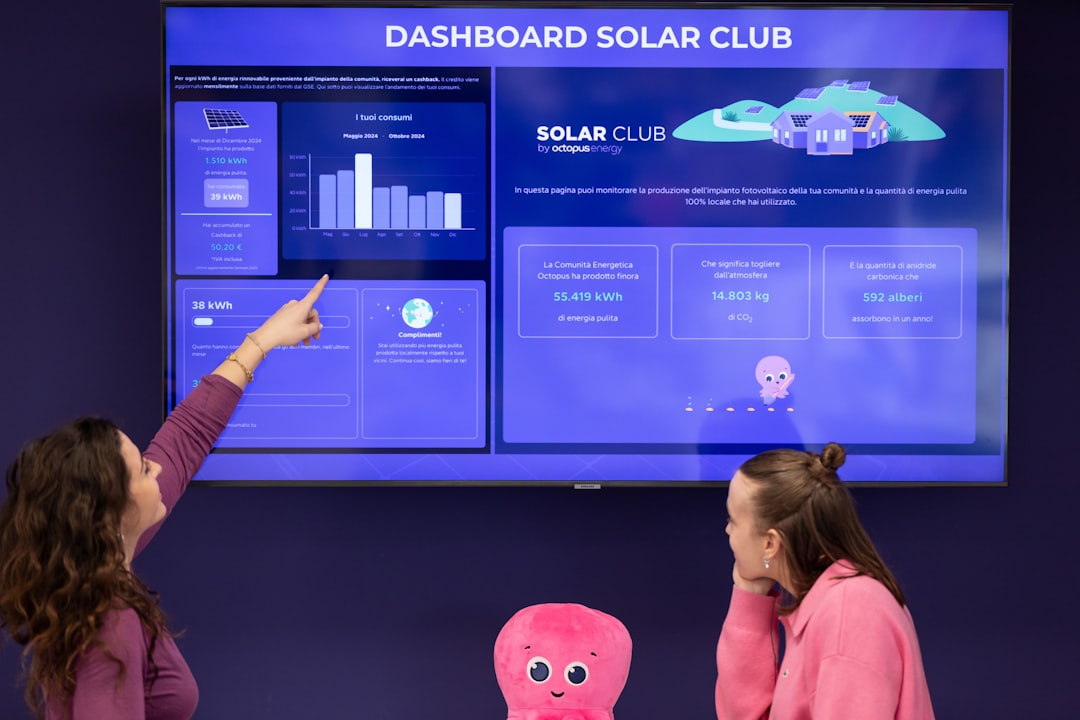
Beyond operational efficiency, connected systems improve reliability. Predictive maintenance tools analyze equipment performance and flag irregular behavior before failures occur. Instead of reacting to breakdowns, facilities teams can schedule maintenance strategically—minimizing downtime and extending asset life cycles.
The Power of Data Analytics and Artificial Intelligence
Data alone does not create value—analysis does. Advanced analytics platforms transform streams of information into actionable insights. By applying machine learning algorithms to historical and real-time data, businesses can forecast demand, optimize procurement strategies, and simulate performance under different scenarios.
Artificial intelligence (AI) further enhances energy management by:
- Identifying abnormal consumption patterns.
- Predicting peak load periods and recommending load shifting.
- Automating responses to changing utility prices.
- Optimizing renewable energy integration.
For example, a manufacturing facility might use AI to determine the most energy-efficient production schedule based on hourly electricity rates. Office buildings can deploy algorithms that learn occupancy routines and automatically adjust environmental controls for maximum efficiency and comfort.
Over time, these systems become more accurate. The more data they collect, the better their recommendations—creating a feedback loop of continuous improvement.
Renewable Integration and Energy Storage
As companies pursue carbon reduction targets, integrating renewable energy sources such as solar and wind becomes essential. Smart technology ensures that renewable generation aligns seamlessly with operational needs.

Key components of a renewable-ready energy strategy include:
- On-Site Solar Installations: Generating clean electricity directly at the facility.
- Energy Storage Systems: Storing excess power for later use during peak demand.
- Microgrids: Enabling localized energy independence and resilience.
- Smart Inverters: Managing fluctuations and stabilizing power flows.
Battery storage plays a critical role in balancing supply and demand. When energy production exceeds consumption—such as on a sunny afternoon—excess power can be stored and deployed later. This reduces grid reliance and protects against volatile pricing or outages.
Data-driven platforms coordinate these assets in real time, ensuring that the right energy source is used at the right moment. The result is a more resilient and sustainable operation.
Financial Benefits and Cost Optimization
Energy expenses often represent a significant portion of operational overhead, particularly in industries such as manufacturing, healthcare, and logistics. Smart energy solutions convert cost management into a proactive strategy rather than a post-expense analysis.
Businesses commonly realize savings through:
- Peak Demand Reduction: Lowering maximum load to avoid high demand charges.
- Automated Load Shifting: Running energy-intensive processes during off-peak hours.
- Power Factor Correction: Improving electrical efficiency to reduce penalties.
- Utility Tariff Optimization: Selecting rate structures based on consumption data.
Additionally, data transparency strengthens budgeting and forecasting. With accurate usage predictions, finance teams can anticipate costs and assess the return on investment (ROI) of efficiency upgrades. This alignment between operational and financial planning fosters informed decision-making at the executive level.
Regulatory Compliance and ESG Reporting
Environmental, Social, and Governance (ESG) performance has become a defining metric for investors and stakeholders. Smart energy systems simplify the complex process of measuring and reporting sustainability metrics.
Automated platforms can track:
- Carbon emissions by facility or department.
- Energy intensity ratios relative to production output.
- Progress toward renewable energy targets.
- Compliance with local and international regulations.
Rather than compiling data manually across multiple spreadsheets, organizations can generate standardized reports with a few clicks. Real-time dashboards also allow sustainability officers to identify gaps quickly and adjust strategy proactively.
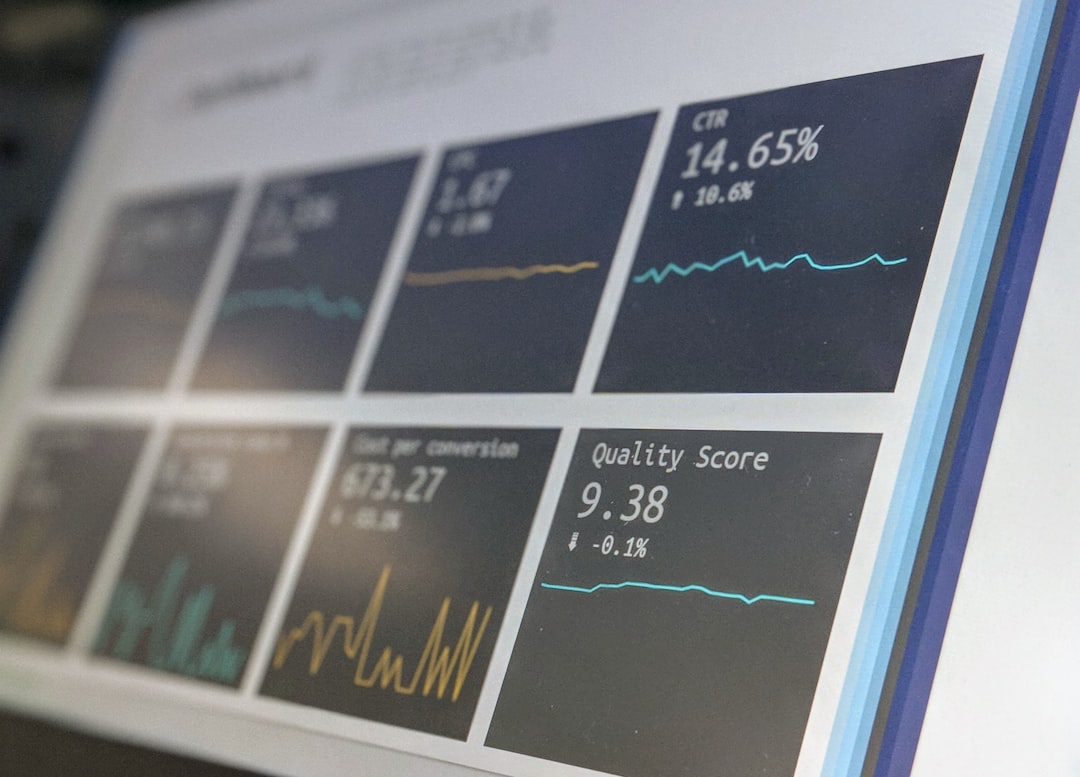
This level of transparency not only supports compliance but also enhances brand reputation. Customers and partners increasingly favor businesses that demonstrate measurable environmental responsibility.
Industry Applications
Smart energy technologies are versatile and adaptable across sectors:
Manufacturing: Machines equipped with performance sensors can reduce standby consumption and coordinate production schedules with energy pricing. Predictive analytics prevent costly downtime.
Commercial Real Estate: Intelligent HVAC and lighting systems adjust dynamically based on occupancy, reducing waste while maintaining comfort.
Healthcare: Hospitals require reliable power for critical operations. Smart grids and backup storage systems ensure uninterrupted service while optimizing non-essential loads.
Retail: Chain stores leverage centralized dashboards to benchmark energy performance across locations, identifying best practices and underperforming sites.
Each industry benefits from customized analytics models that reflect its unique operational demands.
Cybersecurity and Data Integrity
As energy systems become more connected, cybersecurity rises in importance. Protecting infrastructure from unauthorized access is paramount. Modern platforms incorporate:
- Encrypted Communication Protocols
- Multi-Factor Authentication
- Network Segmentation
- Continuous Threat Monitoring
Robust cybersecurity safeguards ensure that connected devices remain secure without compromising operational efficiency. Data integrity measures also maintain accuracy, preventing flawed analytics from influencing critical decisions.
The Future of Intelligent Energy Management
The evolution of smart technology continues at a rapid pace. Emerging developments include digital twins—virtual replicas of physical assets that simulate performance in real time. Businesses can test strategies in a digital environment before implementing changes in the real world.
Blockchain technology may further enhance transparency in renewable energy trading, enabling secure peer-to-peer transactions. Meanwhile, advancements in AI promise even deeper predictive capabilities, from weather-informed solar forecasting to automated carbon offset procurement.
Ultimately, the future points toward fully autonomous energy ecosystems. Facilities will not merely respond to commands but will self-optimize continuously based on environmental conditions, pricing fluctuations, and operational priorities.
Conclusion
Smart technology and data-driven energy solutions have fundamentally reshaped how businesses interact with power. What was once an unavoidable overhead cost has become a controllable, measurable, and strategically valuable asset. Through real-time monitoring, predictive analytics, renewable integration, and automated controls, organizations can achieve lower expenses, stronger compliance, and measurable sustainability gains.
In a world defined by rapid technological innovation and environmental responsibility, companies that embrace intelligent energy management position themselves at the forefront of operational excellence. By turning data into insight and insight into action, businesses not only conserve energy—they unlock competitive advantage.