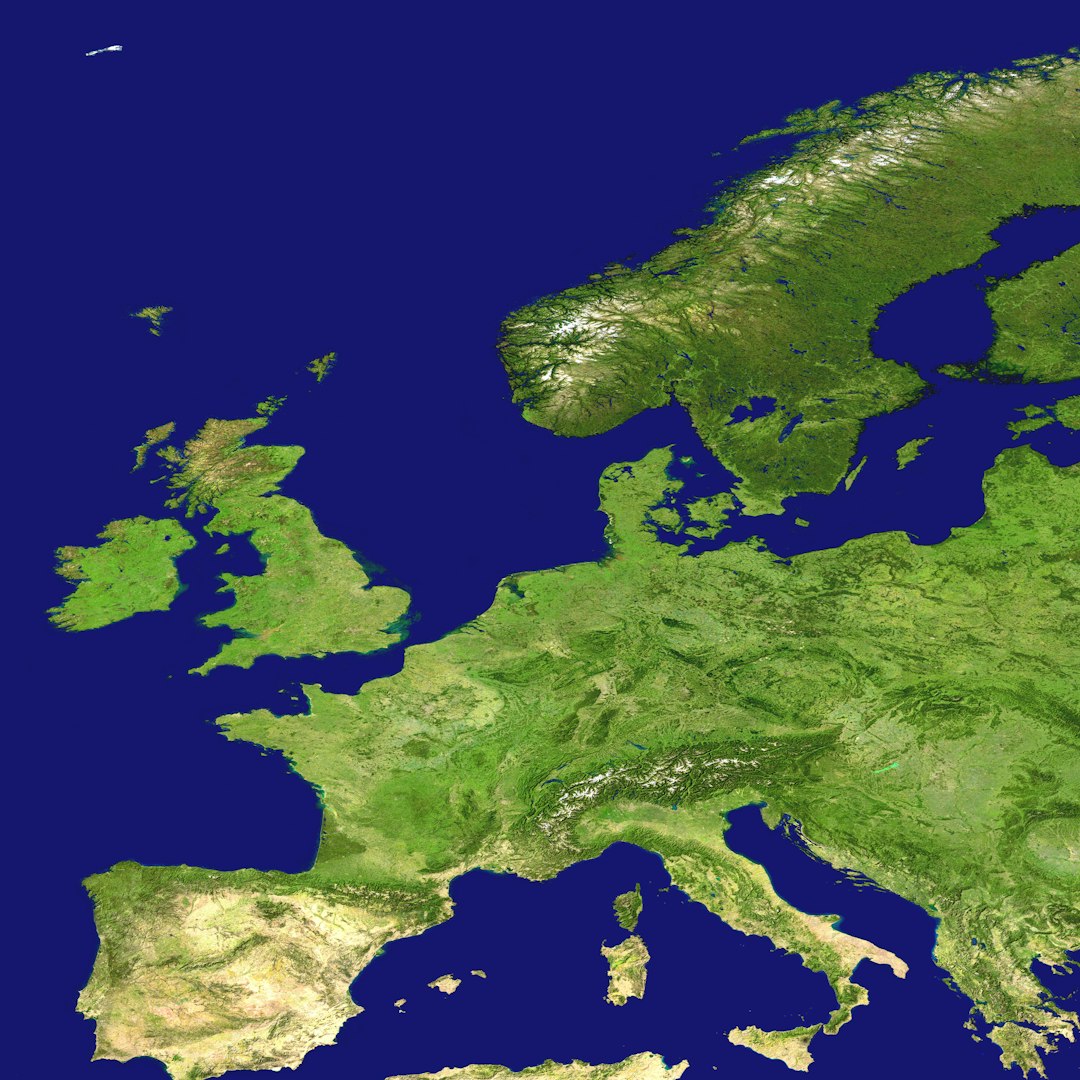
For regional web search in Europe, Qwant is usually the better privacy pick, while Ecosia is the better values pick for people who want searches tied to climate projects. Qwant is based in France and focuses on privacy-first search, while Berlin-based Ecosia funds tree planting and says it has helped finance more than 200 million trees [source: Ecosia].
TLDR: Qwant suits users who care most about private, Europe-focused searching, especially for French, Belgian, Swiss, or EU policy queries. Ecosia suits users who want a simple search engine that turns ad revenue into climate funding. In a small regional test of 20 searches, a user might find Qwant stronger for local French media and public services, while Ecosia often feels smoother for broad shopping and English-language queries. For example, a Paris cafe owner checking “local food delivery rules Paris” may prefer Qwant, while a student searching “best refurbished laptop Europe” may prefer Ecosia.
Qwant vs Ecosia: The quick difference
Both Qwant and Ecosia are European alternatives to the usual search giants. Neither feels like a perfect replacement in every case. The catch is that both have had to rely on bigger search providers for parts of their result delivery, even while working toward more European search independence.
Qwant is built around privacy, French roots, and neutral search results. It does not try to build a large advertising profile around each user. That makes it appealing for journalists, students, policy teams, and privacy-conscious households.
Ecosia is built around environmental impact. Its pitch is simple: search the web, see ads, and help fund climate projects. That message is easy to understand. It also makes Ecosia popular in schools, nonprofits, and companies that want visible green habits without changing much else.
Regional search quality
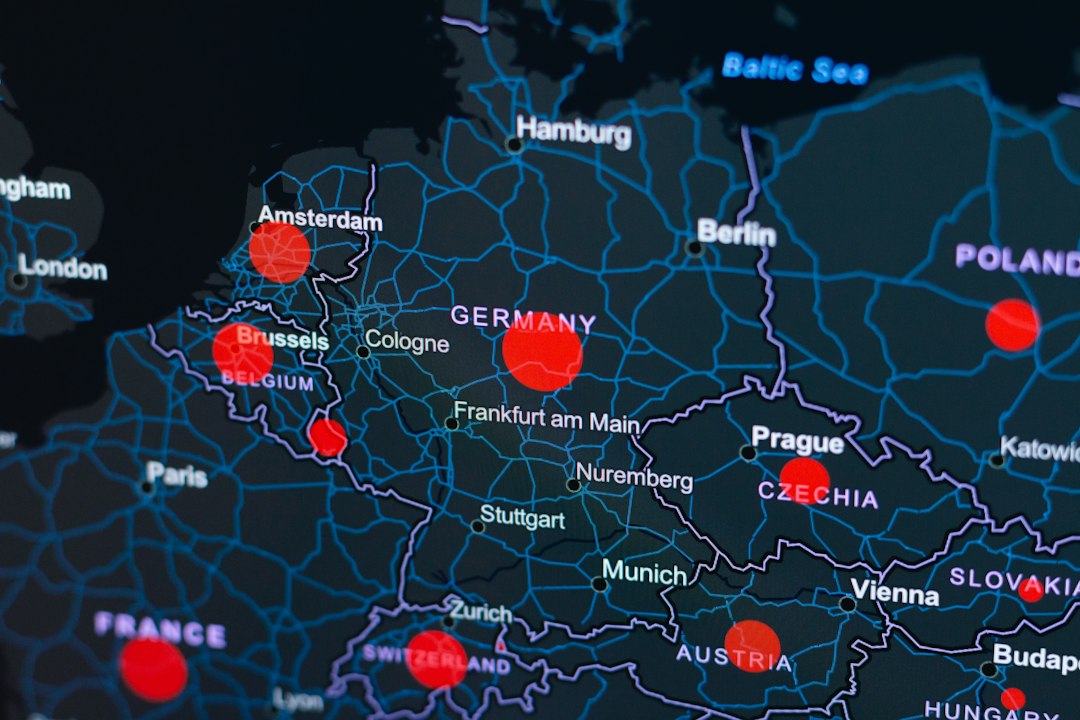
For local European results, Qwant often feels more serious. It is especially useful when the query has a French or EU angle. Searches about French public services, local news, transport strikes, or EU rules can feel more direct. Results are not always perfect, but the intent is clear.
Ecosia works well for broader European searches. It is strong enough for travel, shopping, recipes, news, and basic research. For regional German queries, it often feels comfortable because of its Berlin identity and European user base. Still, some results can feel a bit generic. It drives people a bit mad when a local query brings back big international sites before the small regional answer they needed.
For deeper research, users often need more than a search engine. Investigators comparing people, domains, and companies may pair search with OSINT platforms for link analysis and digital investigations. Writers and analysts may also use desktop AI assistants for managing research workflows.
Privacy and data handling
Privacy is where Qwant has the sharper identity. It avoids personalized tracking and aims to show search results without turning the user into a long-term profile. For European users, that matters. GDPR made people more aware of how personal data moves through ad systems.
Ecosia also presents itself as privacy-friendly. It does not sell personal data to advertisers, according to its public privacy pages. Yet its strongest brand signal is not privacy. It is climate action. That difference matters when choosing the default search engine for a school, newsroom, or workplace.
- Choose Qwant when privacy is the main reason for switching.
- Choose Ecosia when environmental impact is the main reason.
- Use both when comparing local results for research or travel.
Independence from big search providers
Europe has a search dependency problem. Building a full web index is expensive. Crawling, ranking, spam filtering, language support, and freshness all cost serious money. That is why smaller search engines often mix their own technology with results from larger providers.
Qwant and Ecosia have both supported the push for a stronger European search index through the European Search Perspective project [source: Ecosia]. That is a big deal. A European index could make regional search less dependent on US tech firms. It could also improve results for smaller languages, local publishers, and public-interest content.

User experience
Qwant has a clean interface. It feels calm and stripped back. Search categories are easy to read. For some users, that is enough. Others may feel the results page lacks the polish and instant answers they expect from larger engines.
Ecosia feels familiar. It is simple to install as a browser default. The tree counter adds a small emotional reward. That can sound cheesy, but it works. People like seeing a visible result from a daily habit.
Expect to waste a few extra seconds on both engines for niche searches. A user may try Qwant first, then repeat the same search elsewhere if the result is too thin. Ecosia can also miss very local pages. This is not fatal. It just means neither should be treated as magic.
Which search engine fits which user?
- Privacy-focused European user: Qwant is the first choice.
- Climate-minded everyday user: Ecosia is the easier recommendation.
- French regional researcher: Qwant often gives better local signals.
- General web surfer: Ecosia feels more familiar and low effort.
- Professional researcher: Both should be tested side by side.
The best answer is not dramatic. Qwant is better for privacy-led regional search. Ecosia is better for purpose-led casual search. For many Europeans, the smartest setup is to set one as the default and keep the other as a backup.
FAQ
Is Qwant better than Ecosia for European search?
Qwant is often better for privacy and French or EU-focused searches. Ecosia is better for users who want climate impact tied to daily searching.
Is Ecosia really a European search engine?
Yes. Ecosia is based in Berlin. It is European in ownership and mission, though it has used outside search technology for parts of its results.
Does Qwant track users?
Qwant’s public position is privacy-first search without personalized tracking. That is one of its main selling points.
Which is better for local business research?
Qwant can be stronger for France and EU-related local research. Ecosia is fine for broad market checks, shopping searches, and general discovery.
Should a user switch from Google to Qwant or Ecosia?
A full switch depends on tolerance for weaker niche results. Many users may prefer using Qwant or Ecosia as the default, then switching only when a search fails.