
Modern drone and model aircraft operators understand the importance of managing their fleet efficiently and staying compliant with regulations. As technological advancements accelerate in the UAV (Unmanned Aerial Vehicle) and aeromodeling domains, the need for robust, user-friendly tools has never been greater. The Model and Wing Operator Suite (MWOS) stands out as a critical application suite designed to streamline operational planning, flight logging, compliance checks, and asset management for responsible pilots.
TLDR: Mastering MWOS Apps for Drone and Aircraft Operations
The MWOS platform offers essential tools for drone and model aircraft enthusiasts looking to streamline mission planning, conform to regulations, and monitor fleet performance. By learning to navigate its features effectively—such as flight logging, asset tracking, and live compliance checks—users can elevate their operational professionalism. This article delivers expert tips on how to make the most of MWOS functionality. Keep reading for a deep dive into optimizing your drone and model aircraft workflows using this all-in-one solution.
Understanding the MWOS Ecosystem
At its core, MWOS is a comprehensive suite of mobile and desktop applications tailored to recreational and commercial drone operators, as well as traditional model aircraft hobbyists. The apps are built around key pillars of aviation management:
- Mission planning and management
- Airspace and compliance monitoring
- Maintenance and equipment tracking
- Flight logging and analytics
Whether you’re managing a solo glider flight at a local field or overseeing an entire fleet of FPV drones, MWOS centralizes operations in an intuitive, legally compliant environment.
Expert Tips to Optimize MWOS for Flight Operations
1. Start with Fleet Registration and Asset Categorization
Before executing mission plans, ensure every aircraft and controller you own is properly registered within your MWOS dashboard. Each asset should include manufacturer info, serial numbers, specifications (such as weight and max altitude), and performance records. Most importantly, categorize each model type—multirotor, fixed-wing, rotary, or hybrid. Doing so enables accurate filtering during mission planning and maintenance reminders.
Pro Tip: Customize tags for each asset such as “Indoor compliant,” “Long-range capable,” or “Certified for night ops.” These annotations help you determine the best-match equipment for future mission profiles.
2. Use Geo-Fenced Maps for Smart Mission Planning
MWOS integrates real-time geospatial mapping with restricted zones, NFZ (No-Fly Zones), nearby airports, FRZs (Flight Restriction Zones), and even no-go wildlife reserves. Plan missions directly within the app using drag-and-drop waypoints, altitude rules, and return protocols. The route preview feature instantly shows whether the flight is likely to breach national regulations.
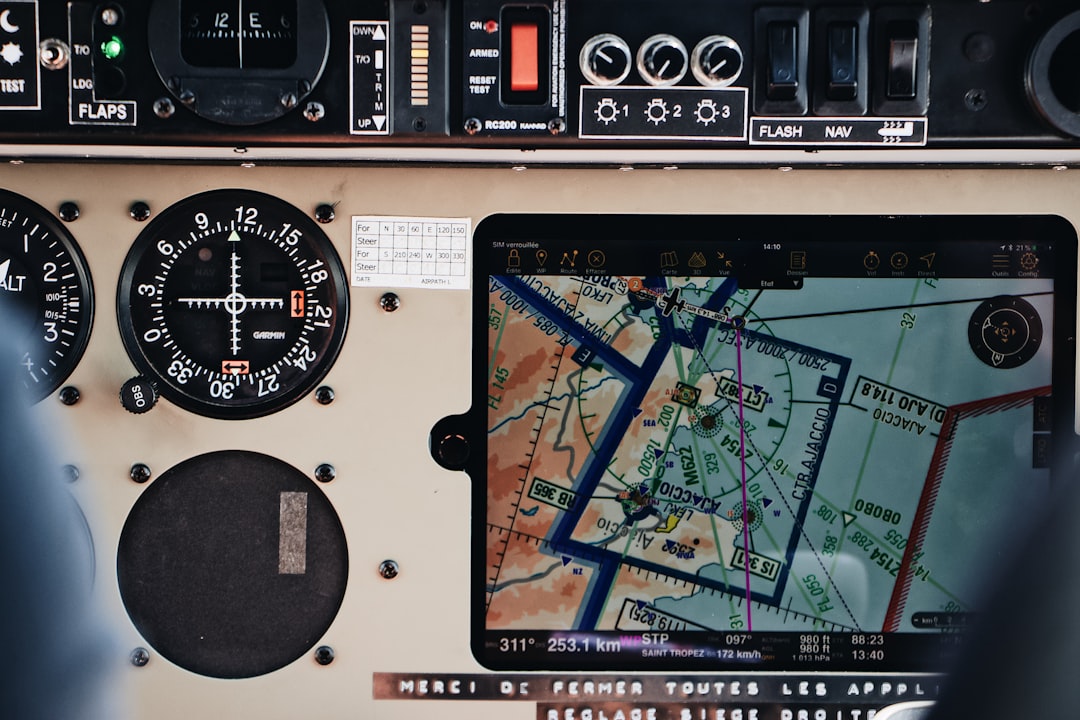
Expert Tip: Use map overlays to account for temporary events like fireworks, sporting events, or governmental movement advisories. These dynamic overlays are updated through NOTAM (Notice to Air Missions) sync integration.
3. Automate Pre-Flight and Post-Flight Checklists
One of MWOS’s standout features is the checklist automation tool. Rather than relying on handwritten or memory-based routines, you can build, store, and assign pre-flight and post-flight protocols per aircraft type. Ensure throttles are calibrated, antennas aligned, sensors tested, and firmware updated—all before leaving the ground.
After the flight, MWOS encourages logging any incidents or anomalies, no matter how minor. This creates a long-term log that not only meets insurance and legal standards but also helps with diagnostic prevention, as patterns become visible over time.
Regulatory Excellence: The Compliance Corner
Compliance isn’t just a luxury—it’s a legal necessity. MWOS excels at helping its users stay on the right side of local and national aviation authorities by:
- Maintaining updated pilot certifications and expiry dates
- Highlighting required operational limits based on user certifications
- Syncing with national databases (e.g., FAA in the U.S. or EASA in the E.U.)
- Providing in-app reminders for renewals and re-examinations
Should you plan to operate commercially, MWOS generates compliance reports that include location data, timing accuracy, flyover altitude coverage, and operator credentials. These documents are legally formatted for submission to governing bodies or clients.
4. Embrace the Flight Logbook and Analytics
MWOS provides an automated flight logbook for every registered device. It captures telemetry data, power levels, ambient temperature, GPS coordinates, and battery health—ideal for honing user performance awareness and tracking long-term wear and tear.
Advanced users can export flight history as CSV or PDF for deeper analysis. This helps identify risk trends, such as altitude drops or consistently short flight durations, which may prompt battery calibration or motor inspection.
Staying Ahead with Community and Support Tools
MWOS doesn’t just focus inward; it supports interoperability and community feedback. You can:
- Join in-app user forums to trade flight strategies and troubleshooting tips
- Submit feature requests and vote on community enhancements
- Access mentoring tools for new pilots, including certified templates and automated tutorials
Did You Know? MWOS integrates with popular cloud storage platforms, making it seamless to store mission data and share flight analytics with a team or instructor during training intervals.
5. Schedule and Track Maintenance Across All Units
A commonly overlooked feature: MWOS lets you schedule maintenance protocols based on usage hours or number of flights. For example, if your FPV racing quadcopter has completed 75 landings, MWOS notifies you to inspect frame integrity and reset ESC calibration. This proactive care greatly reduces accident rates and extends hardware life.
Maintenance schedules can be customized per model, letting you adjust parameters for different tolerances, build types, and components. You can even track component lifespan separately—ideal if you swap propellers or batteries between similar craft.
Combining Automation with Personal Discipline
While apps like MWOS make drone and model aircraft management simpler and more automated, it’s still essential to develop a mindset of operational discipline. The tool empowers efficiency, but safety and skilled decision-making are fully within the pilot’s domain.
Tips for Professional-Level Use
- Integrate checklists with team-wide SOPs if you operate as part of a racing club or commercial drone company.
- Practice “dry runs” with the planning feature to troubleshoot routes and backup missions before gear is even powered on.
- Use analytics to make pilot-training goals—such as improving manual flight smoothness or increasing hover duration consistency.
Conclusion
Mastering MWOS apps doesn’t require being a software expert—it’s about using smart tools thoughtfully and consistently. From ensuring airspace compliance to automating maintenance and refining pilot metrics, MWOS represents a transformative leap for enthusiasts who want reliability, clarity, and professionalism in every flight. Whether you’re a weekend flyer or a certified UAV service provider, embedding MWOS in your workflow raises both your credibility and your margin for aerial success.