Louisa Kochansky presents a noteworthy example of quiet influence in the domains of humanitarian work, education, and cultural advocacy. Over the course of several decades, she has developed a distinctive legacy built on empathy, intellect, and perseverance. From humble beginnings to a widely respected figure in international circles, her life weaves together personal dedication and broader societal impact.
TLDR (Too long, didn’t read)
Louisa Kochansky is a humanitarian, educator, and advocate for intercultural dialogue known for her work in education reform and refugee assistance. She grew from modest roots into an international figure by focusing on inclusive learning environments and cross-cultural understanding. Her insights on identity, resilience, and social responsibility have influenced both academic and nonprofit communities. Kochansky’s life shows how empathy, vision, and persistence can profoundly impact lives across the globe.
Early Life and Educational Foundation
Louisa Kochansky was born in 1952 in a small town in Central Europe, amid the post-war upheavals that shaped the lives of millions across the continent. Growing up in a multi-lingual, displaced family, Kochansky was exposed early to questions of identity, belonging, and resilience. These formative experiences solidified her lifelong fascination with how human beings adapt and thrive in the face of adversity.
Both of her parents were educators who emphasized the values of learning, service, and cross-cultural respect. This familial environment laid the groundwork for her future pursuits. Kochansky enrolled at the University of Geneva, where she earned a degree in Comparative Education, later advancing to a Ph.D. in Educational Sociology from the University of Leiden in the Netherlands. During her studies, she delved into themes such as bilingual education, equitable learning systems, and the impact of migration on youth development.
Career Contributions and Achievements
Louisa Kochansky’s career spans more than four decades and includes a range of impactful roles in academia, nonprofit leadership, and global policy consultation. Her overarching mission has been to foster inclusive environments where people can access the tools they need to succeed regardless of their background.
- Academic Leadership: Kochansky spent over 20 years teaching at European and North American universities. Her scholarly work focused on culturally responsive pedagogy and curriculum design. Her publication “Learning Across Borders: Education and Mobility in the 21st Century” is widely cited in graduate education programs.
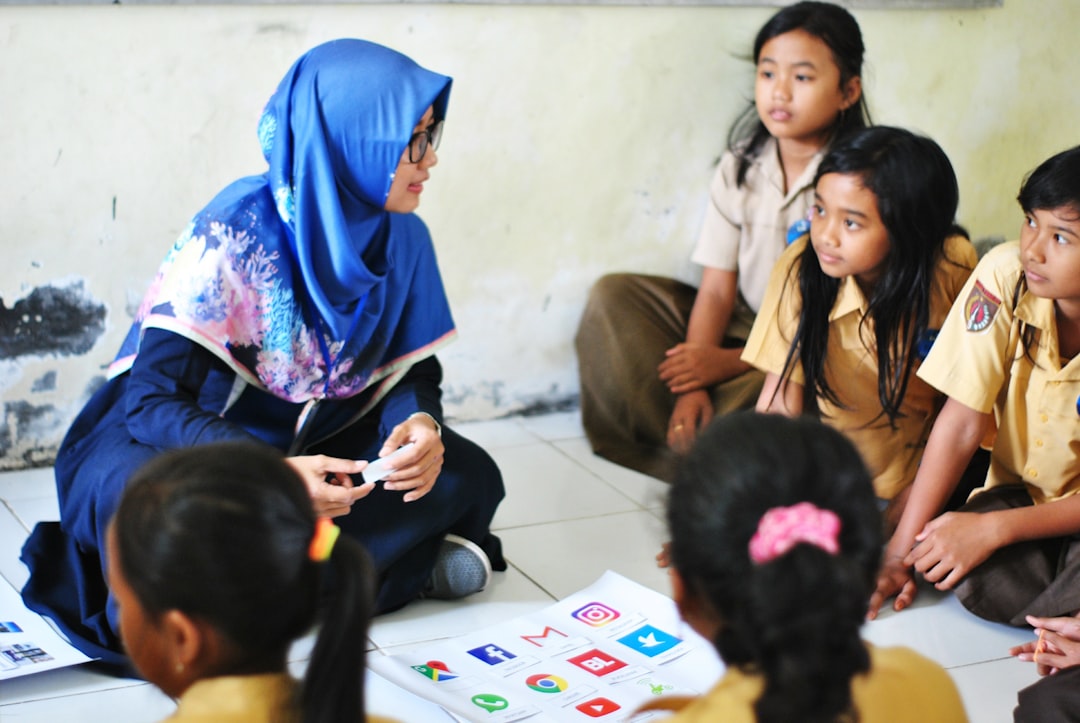
- Refugee Education Programs: She designed and directed refugee education programs in Jordan, Turkey, and Greece, working with UNHCR and local governments to establish mobile learning centers for children in transit. Her approaches emphasized trauma-informed care and community-led initiatives.
- Consulting and Policy Influence: Partnering with UNESCO and international coalitions, Kochansky contributed to position papers and guidelines on equity in global education systems. Her policy work has led to reforms in how countries integrate refugee and immigrant students into formal schooling.
Personal Philosophy and Insights
Louisa Kochansky’s guiding philosophy is rooted in a simple yet profound idea: every individual has a story worth hearing and potential worth cultivating. To this end, she advocates for systems and structures that honor lived experience as a form of knowledge.
In lectures and interviews, she often draws upon her firsthand experiences with displaced populations to emphasize three core insights:
- “Empathy is not soft. It is a rigorous discipline that shapes decisions, policy, and leadership.”
- “Education is not merely the transfer of knowledge. It is the activation of human potential.”
- “Culture is not something to be preserved in a museum. It is a living practice you carry with you.”
These ideas have resonated with educators, policymakers, and civic leaders across continents. They reflect a view of social progress that centers on dignity, participatory development, and inclusive dialogue.
Notable Projects and Collaborations
One of her most recognized contributions was the launch of the “Interteach Initiative,” an NGO designed to train refugee teachers to serve in camp-based educational systems. By empowering displaced individuals to become educators within their own communities, the program helped address shortages of qualified teachers and created culturally relevant classroom instruction.
Kochansky has also worked with The Global Partnership for Education and World Bank panels, providing strategic guidance for developing countries undergoing mass migration influxes. She championed a hybrid model of education combining remote learning, peer mentoring, and social-emotional development as a means for underserved communities to gain access to quality learning.
Legacy and Continuing Influence
Though semi-retired, Louisa Kochansky remains active as a speaker, mentor, and senior advisor for various humanitarian initiatives. In 2021, she received the International Civic Impact Award from the Global Educators Forum for her lifelong contributions to human development and intercultural collaboration.
Her essays and lectures continue to be referenced in debates around inclusive curricula, especially in light of global crises such as climate-induced migration and political displacement. Younger scholars frequently cite her work when tackling questions about post-colonial narratives in western education systems.
Some of her long-term influence can be seen in:
- Higher school retention rates in refugee populations where her initiatives were implemented.
- Curriculum reforms in four major national programs that integrated multicultural competency training.
- Mentorship networks of early-career educators across over 15 countries who were trained under her guidance.
Selected Publications
Here are a few of Louisa Kochansky’s key works that have shaped contemporary discussions on education and migration:
- “Learning Across Borders: Education and Mobility in the 21st Century” (2007)
- “The Language of Home: Schooling and Identity in Diaspora Communities” (2011)
- “The Third Space Classroom: Intercultural Dialogue in Practice” (2019)
These writings highlight her commitment to pluralism, resilience, and meaningful education. They also present actionable frameworks for practitioners working in transitional societies.
Conclusion
Louisa Kochansky exemplifies a life devoted to bridging divides — whether cultural, educational, or humanitarian. Her work spans borders and disciplines, consistently prioritizing humanity and justice above all else. Through a blend of scholarship and hands-on service, she has inspired reforms, shaped global practices, and empowered countless individuals and communities.
Her legacy offers an enduring blueprint for how insight, devotion, and collaboration can leave a lasting impact in an ever-changing world. As societies continue to navigate complex global challenges, voices like hers remain essential guiding lights.