In an era where brand identity can determine whether a company is remembered or forgotten, relying on generic, template-driven logos is no longer enough. Businesses of all sizes are searching for logo makers that go beyond clip-art icons and predictable layouts. The challenge is finding tools that combine automation with originality, producing results that feel distinctive rather than mass-produced.
TL;DR: Many traditional logo makers rely heavily on overused icons and rigid templates, leading to generic branding. Advanced logo platforms now use AI-driven design systems, customization engines, and brand-focused workflows to create more distinctive visual identities. The best tools combine flexibility, scalability, and creative control. Choosing wisely can elevate your brand beyond stock imagery and into authentic recognition.
Generic logos typically share three characteristics: overused symbols, limited customization, and minimal brand storytelling. A light bulb for “ideas,” a globe for “global,” or a handshake for “partnership” may have worked decades ago, but today they signal a lack of originality. Modern logo makers are responding to this fatigue by integrating smarter technology and design frameworks that offer more nuanced, differentiated identities.
Why Generic Icons Fail Modern Brands
Consumers encounter thousands of brand messages each day. A logo must therefore do more than exist—it must communicate positioning, personality, and purpose. Generic icons fail for several reasons:
- Overexposure: Recycled symbols dilute distinctiveness.
- Lack of narrative: Stock-based designs rarely connect to a company’s unique story.
- Legal and similarity risks: Widely used icons increase the risk of resemblance to competitors.
- Limited scalability: Template-first designs often break down across different formats.
Forward-thinking logo makers approach design differently. They begin with brand inputs—industry, tone, audience, mission—before generating visual systems rather than isolated symbols.
What Sets Advanced Logo Makers Apart
Not all digital logo platforms are equal. The most capable tools share core characteristics that elevate them beyond generic outputs:
- AI-driven concept generation: Instead of inserting stock icons, these systems analyze brand descriptors and build custom mark combinations.
- Dynamic typography engines: Advanced kerning, spacing, and font pairing create more refined wordmarks.
- Custom symbol construction: Shapes and lines are algorithmically generated rather than pulled from static libraries.
- Full brand kits: Logos are delivered alongside color codes, usage guidelines, and scalable assets.
- Vector precision output: Ensuring clarity from favicon to billboard.
These capabilities allow businesses to move beyond predictable graphics into adaptable visual systems.
Leading Logo Makers That Go Beyond Generic Icons
Below are reputable platforms recognized for pushing past template-driven limitations.
1. Looka
Looka integrates AI-assisted design with extensive customization. Rather than selecting a single static icon, users refine typography, spacing, and symbol weight. The system adapts based on feedback, improving suggestions over time.
- Strong brand kit generation
- Social media asset integration
- High-resolution vector exports
2. Tailor Brands
Tailor Brands emphasizes brand personality inputs. Users answer structured questions that influence layout logic and typography pairings. The platform is particularly useful for startups seeking a cohesive visual identity beyond a single logo mark.
- AI-powered layout adaptation
- Animated logo options
- Integrated business tools
3. Wix Logo Maker
Wix combines automation with manual editing flexibility. After generating an initial concept, users can fine-tune nearly every detail—from shape proportions to background textures—reducing the generic feel common in simpler tools.
- Extensive font library
- Advanced color controls
- Website-ready integration
4. Brandmark
Brandmark stands out for its minimalist, typography-forward results. Instead of defaulting to symbolic clichés, it often prioritizes abstract geometric forms and distinctive letter styling.
- Clean, scalable marks
- Strong color logic engine
- Instant brand style previews
5. Canva Logo Maker
While Canva includes templates, its strength lies in customization freedom. Users are not locked into static compositions and can construct layered, hybrid marks that feel bespoke when executed thoughtfully.
- Drag-and-drop precision control
- Large element library
- Collaboration features
Comparison Chart
| Platform | AI Customization Depth | Brand Kit Included | Manual Design Control | Best For |
|---|---|---|---|---|
| Looka | High | Yes | Moderate | Small to mid-sized businesses |
| Tailor Brands | High | Yes | Moderate | Startups needing branding packages |
| Wix Logo Maker | Medium | Yes | High | Users wanting strong editing control |
| Brandmark | High | Yes | Low to Moderate | Minimalist brands |
| Canva | Low to Medium | Limited | Very High | Hands-on creators |
How to Evaluate a Logo Maker Strategically
Choosing a platform requires more than reviewing sample designs. It demands a strategic lens focused on long-term brand equity.
Consider these factors:
- Originality safeguards: Does the system generate unique variations or recycle pre-made assets?
- Scalability: Are vector files included?
- Ownership rights: Are commercial licenses clear and comprehensive?
- Adaptability: Can the logo evolve with sub-brands and future expansions?
Companies with ambitious growth plans should prioritize flexibility and export control. A logo designed today must remain functional five or ten years from now.
Beyond Icons: The Rise of Visual Systems
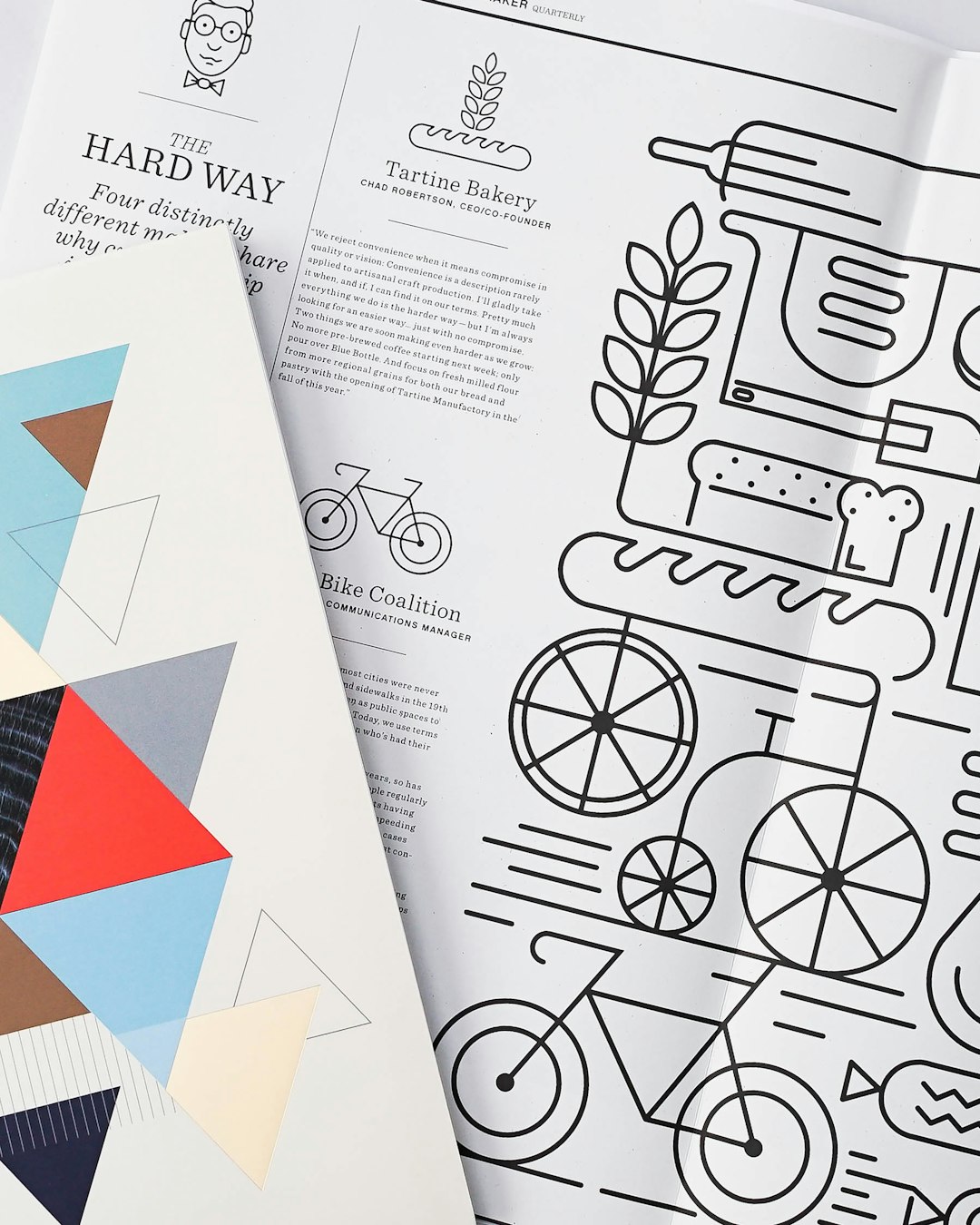
The most important shift in modern logo creation is the move from singular icons to complete visual systems. Rather than designing a lone mark, advanced platforms now build interconnected assets:
- Primary and secondary logo variations
- Responsive logo formats
- Defined typography hierarchies
- Color palette governance
- Social and digital adaptations
This systemic approach ensures consistency across digital interfaces, print collateral, merchandise, and advertising. It also prevents brands from appearing fragmented or visually inconsistent.
The Balance Between Automation and Human Taste
Even the most sophisticated AI-driven logo maker remains a tool. Human judgment plays an essential role in distinguishing between merely acceptable and genuinely impactful design. Decision-makers should resist the temptation to accept the first automated output. Instead, refine, test, iterate, and gather external feedback.
A trustworthy logo maker should empower users to:
- Edit proportions and spacing precisely
- Adjust typography hierarchy
- Create monochrome and reversed versions
- Export transparent and layered formats
When automation meets informed oversight, the results can rival custom studio work at a fraction of the cost.
Final Thoughts
Generic icons once defined the early phase of online logo generators. Today, expectations are far higher. Businesses require distinctive marks that communicate identity, credibility, and long-term vision. The best logo makers now combine AI intelligence, deep customization, and comprehensive brand systems to meet these expectations.
Selecting a platform should be a strategic business decision, not a quick graphic task. When chosen carefully, modern logo makers can transcend stock imagery and deliver polished identities that stand confidently in competitive markets.