The best modern AI trading bots combine clear strategy logic, strong risk controls, reliable execution, and honest reporting. A bot should not only scan markets and place orders. It should explain why it acted, limit losses, protect account access, and show whether its results came from real market skill or lucky timing.
TLDR: A strong AI trading bot should offer backtesting, paper trading, risk settings, transparent signals, fast execution, and secure exchange connections. For example, a trader testing a crypto bot might run 12 months of historical data, then paper trade for 30 days before risking capital. If the bot shows a 58% win rate but a 22% drawdown, the drawdown may matter more than the win rate. Good bots help users see that before money is on the line.
1. Transparent Strategy Logic
Modern AI trading bots can use machine learning, statistical models, sentiment analysis, or rule-based systems. The exact model may be complex, but the product should still explain its main logic in plain language.
A trader should be able to see whether the bot is following momentum, mean reversion, arbitrage, news sentiment, or portfolio rebalancing. If the platform only says “advanced AI” and hides every detail, that is a warning sign. Black-box tools can be useful, but blind trust is risky.
- Good sign: The bot explains signal sources and trade conditions.
- Bad sign: It promises fixed profits or avoids details.
- Best case: It shows confidence scores, entry reasons, and exit rules.
2. Strong Backtesting and Forward Testing
Backtesting lets traders test a strategy against past data. It is not proof of future profit, but it can expose weak logic fast. A proper bot should include historical testing across bull markets, bear markets, sideways periods, and high-volatility events.
The catch is that many bots make backtests look better than they are. They may ignore trading fees, spreads, slippage, and failed orders. That can turn a “profitable” strategy into a losing one once real orders hit the market.
Forward testing matters too. Paper trading lets the bot run in live market conditions without using real money. This shows how the system handles price gaps, latency, and sudden news.
- Required: Fees, spreads, and slippage included in tests.
- Useful: Side-by-side comparison of live paper results and backtests.
- Critical: Maximum drawdown, not just profit percentage.
3. Built-In Risk Management
Risk controls are the heart of any serious trading bot. A bot that can enter trades but cannot limit damage is not worth much. Traders should look for settings that cap losses per trade, per day, and per portfolio.
Core risk features include stop losses, take profit levels, position limits, trailing stops, and emergency shutdown rules. Some bots also reduce position size after a losing streak. That can help prevent one bad session from ruining a whole account.
Useful risk metrics include maximum drawdown, value at risk, average loss size, and risk reward ratio. Win rate alone is often misleading. A bot can win 70% of the time and still lose money if losses are much larger than gains.
4. Real-Time Data Quality
AI trading depends on data. Bad data creates bad trades. A modern bot should use clean, timely, and complete market data from trusted sources.
For crypto trading, this may include order book data, liquidity depth, funding rates, wallet flows, and exchange volume. For stocks, it may include price action, earnings calendars, analyst changes, news, and market sector data.
Honestly, it feels like some platforms treat data quality as decoration. Then users discover signals are delayed by 10 or 20 seconds, which is enough to ruin short-term trades. Fast data matters most for scalping, arbitrage, and high-frequency tactics.

5. Fast and Reliable Execution
A trading bot is only as good as its order execution. Even a smart signal can fail if the bot places an order too late or at the wrong price. Traders should check how the bot connects to exchanges and brokers.
Key execution features include order routing, limit orders, market orders, trailing orders, partial fills, retry rules, and smart slippage controls. A bot should also show execution reports after each trade.
- Latency tracking: Shows how long each order took.
- Fill reports: Shows expected price versus actual price.
- Error logs: Shows rejected or delayed orders.
6. Security and Account Protection
Security cannot be treated as an extra. Trading bots often connect to exchange or broker accounts through API keys. If those keys are stolen or misused, money can disappear quickly.
A secure bot should support API permission limits, two-factor authentication, encryption, withdrawal restrictions, login alerts, and IP allowlisting. Ideally, API keys should allow trading only, not withdrawals.
Traders should also check whether the provider has a history of outages, breaches, or poor support during market stress. A bot that works during quiet hours but freezes during major price moves is a problem.
7. Customization Without Confusion
Good AI bots allow meaningful customization. Users may want to adjust markets, timeframes, position sizes, indicators, risk levels, and trade frequency. At the same time, too many settings can create chaos.
The best tools offer presets for beginners and advanced controls for experienced traders. Clear labels help. So do warnings when a setting raises risk. It drives many users crazy when changing one setting adds five hidden changes elsewhere. That should not happen.
Useful customization features include:
- Market selection by asset, sector, or volatility.
- Risk profiles such as conservative, balanced, or aggressive.
- Trade filters based on volume, spread, or time of day.
- Alerts before large strategy changes go live.
8. Explainable AI and Trade Reviews
AI does not need to be mysterious. A modern bot should provide trade reviews after each position closes. These reviews should explain the signal, entry price, exit price, profit or loss, and risk level at the time.
Explainable AI helps traders spot repeated mistakes. For example, the bot may perform well during high volume but poorly during low liquidity. That insight can lead to better filters and fewer weak trades.
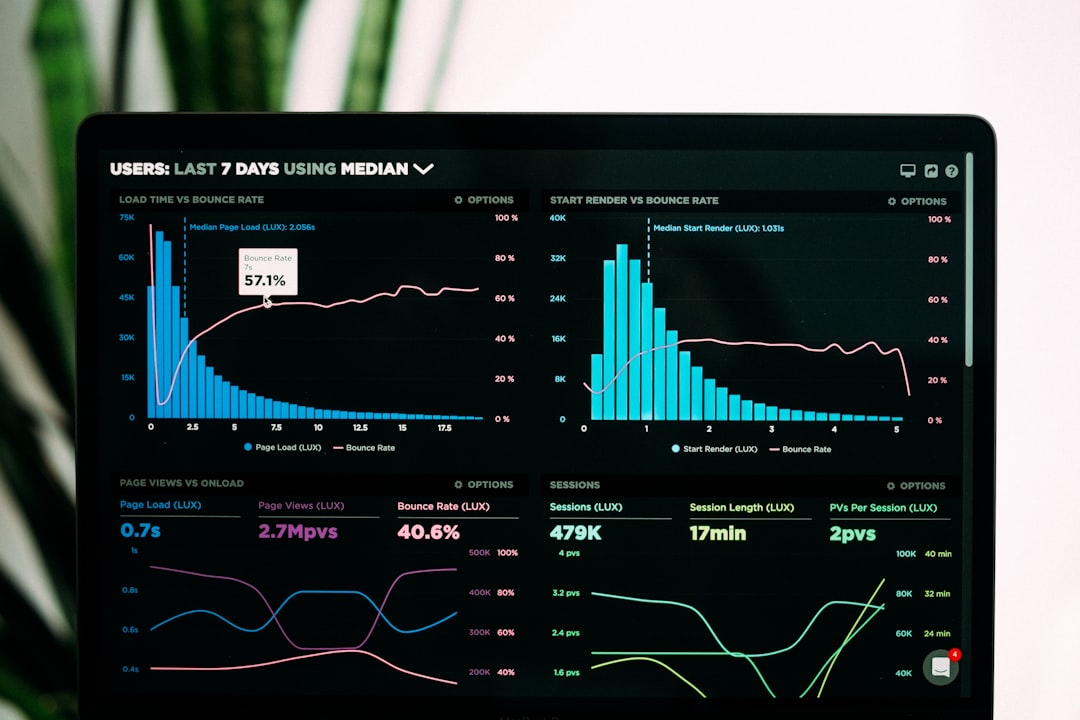
Performance dashboards should include daily returns, monthly results, drawdown charts, asset-level performance, and strategy comparisons.
9. Alerts, Monitoring, and Manual Override
No trader should have to babysit a bot every minute, but total hands-off control is risky. Strong bots send alerts through email, app notifications, SMS, or chat integrations when major events occur.
Alerts should cover opened trades, closed trades, failed orders, drawdown limits, API errors, and unusual market moves. Manual override is also essential. A trader should be able to pause the bot, close positions, or switch to paper mode quickly.
10. Fair Pricing and Clear Limits
Pricing should be easy to understand. Some bots charge monthly fees. Others charge performance fees, exchange fees, or higher rates for more assets and strategies. Traders should review all costs before connecting capital.
A premium bot is not automatically better. The cost must make sense compared with expected account size and trading frequency. A $150 monthly fee may be reasonable for a large account, but painful for a small one.
FAQ
What is the most needed feature in an AI trading bot?
Risk management is usually the most needed feature. A bot can have smart signals, but without loss limits and position controls, one bad run can cause serious damage.
Can AI trading bots guarantee profit?
No. Any tool that guarantees profit should be treated with caution. Markets change, models fail, and even strong strategies can lose money.
Is backtesting enough before using real money?
No. Backtesting is only the first step. Traders should also use paper trading in live market conditions to test execution, slippage, and signal quality.
Should beginners use fully automated bots?
Beginners should start with paper trading and conservative settings. Full automation can be useful, but only after the user understands the bot’s strategy, risks, and controls.
What security feature matters most?
API keys should have withdrawals disabled. Two-factor authentication, encryption, IP restrictions, and login alerts also help protect trading accounts.