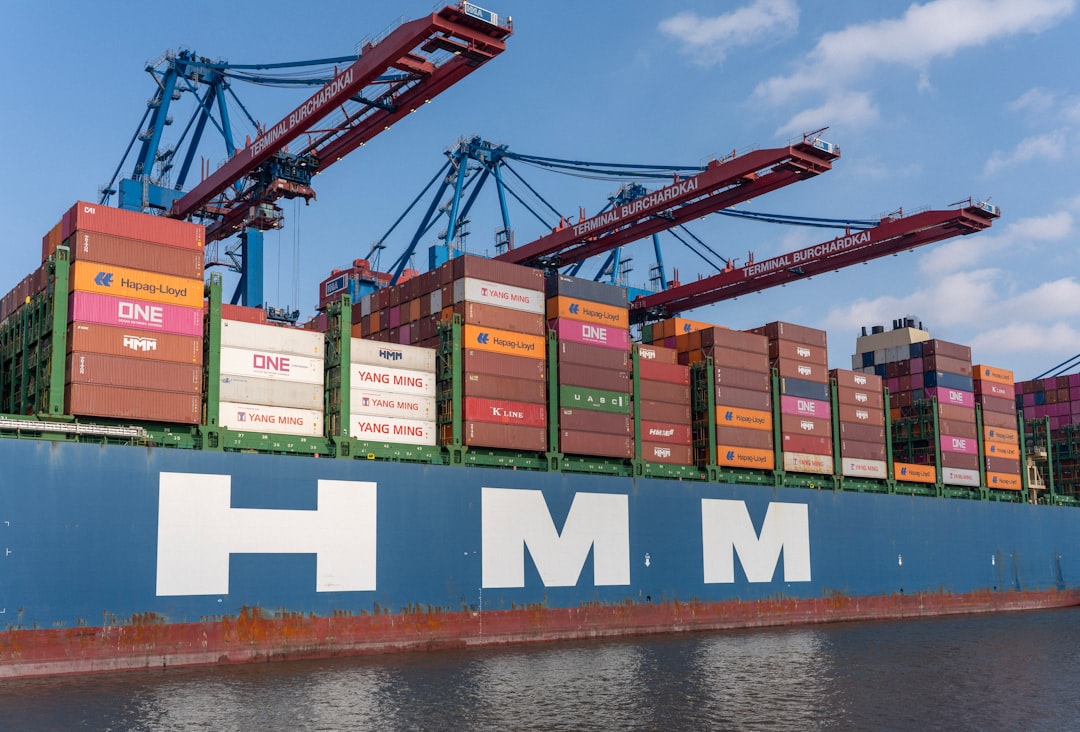
As global trade and international relations continue to evolve, understanding export control regulations has become critical for businesses engaged in cross-border commerce. China’s export control regulations have gained increasing attention in recent years, with the country developing a more sophisticated framework to manage the export of goods, technologies, and services that may bear national security or strategic significance.
TLDR: Too Long, Didn’t Read
China has significantly enhanced its export control regulations through the Export Control Law introduced in 2020. These regulations apply to a variety of goods, technologies, and services with potential national security implications. Companies trading with or operating in China need to be aware of license requirements, control lists, and potential penalties. Non-compliance can lead to fines, reputational damage, or restrictions on trade activities.
What Are China’s Export Controls?
China’s export controls refer to a series of legal and regulatory measures that govern the transfer, shipment, or transmission of controlled items outside of Chinese territory. The legal framework gained significantly more clarity and strength with the passage of the Export Control Law (ECL), which came into effect on December 1, 2020. Under this law, the Chinese government has the authority to control the export of a broad range of items that it deems potentially sensitive or significant to national security or interests.
Export controls are administered primarily by two key agencies: the Ministry of Commerce (MOFCOM) and the General Administration of Customs (GAC), though other industry-specific regulators may also be involved. These controls apply not only to physical goods but also to technologies and services, especially those that have dual-use purposes — civilian and military applications.
Key Components of China’s Export Control Regime
The core structure of the export control regime includes several essential components:
- Control Lists: Items subjected to restrictions are included on published control lists, including dual-use items, nuclear and military products, and more.
- Catch-All Clause: Even if an item is not listed, it may still be subject to controls if authorities determine it could endanger national security or be used for weapons proliferation.
- End-User and End-Use Restrictions: Exporters must verify the ultimate end-user and intended use of the items. Exports can be prohibited if the end-use is deemed risky.
- Blacklists: Certain foreign entities may be placed on a restricted party list, prohibiting or limiting certain trade activities with them.
- Licensing Requirements: Exporters must obtain licenses when handling controlled items under specific conditions or destined for certain geographic areas or entities.
Why China Implemented a Comprehensive Export Control Law
There are several strategic reasons behind China’s push to formalize and strengthen its export control framework:
- National Security: Protecting sensitive technologies and critical materials from falling into adversarial hands.
- Reciprocity: Responding to foreign export controls (notably from the United States and EU) by developing a regulatory toolkit of its own.
- International Norms: Aligning more closely with global export control regimes, such as the Wassenaar Arrangement and the Nuclear Suppliers Group, even though China is not party to some of these groups.
China’s strategic industries — such as artificial intelligence, biotechnology, and semiconductors — are heavily affected by export controls enacted by other nations. In response, China aims to shield critical domestic industries while maintaining the option to apply pressure in international trade negotiations.
Who Needs to Comply?
The scope of China’s export control laws is broad and applies to both domestic and foreign individuals and companies. Those who need to be mindful of these regulations include:
- Chinese exporters and manufacturers
- Multinational companies operating within China
- Foreign companies receiving or utilizing controlled Chinese goods or technologies
This extraterritorial reach means that foreign companies could be held liable if they are found to be violating China’s laws, particularly if the exported item includes any Chinese-origin controlled content.
Potential Penalties for Violations
Failure to comply with Chinese export control laws can result in serious penalties:
- Hefty Fines: Violators may be subject to financial penalties reaching millions of yuan.
- Criminal Liability: In cases involving national security, criminal charges could apply, including imprisonment.
- Trading Restrictions: Businesses and individuals can be blacklisted or banned from engaging in future export activities.
Moreover, incorrect declarations, false paperwork, or export without a license are all considered serious offenses.
Recent Updates and Developments
China has made several updates to its export control measures in reaction to geopolitical tensions and sanction regimes enacted by other nations. Recent highlights include:
- The addition of certain rare earth materials to the control list in 2023.
- Increased scrutiny of exports related to artificial intelligence and quantum computing technologies.
- Retaliatory control measures allowing sanctions or restrictions on specific foreign companies or governments deemed discriminatory or hostile.

These developments underline the Chinese government’s commitment to asserting more control over strategically important exports and responding swiftly to global developments.
How Businesses Can Prepare and Comply
Compliance must be proactive, ongoing, and thorough. Here are some recommended steps for businesses engaged in trade with or within China:
- Conduct a Risk Assessment: Determine whether your goods, services, or technologies fall under China’s control lists.
- Monitor Regulatory Updates: Stay current with changes in the control lists and licensing requirements.
- Screen Trade Partners: Check end-users against any published blacklists or government advisories.
- Secure Proper Licensing: Apply for and obtain necessary licenses before engaging in exports.
- Train Staff: Ensure employees understand the basics of export control compliance and reporting obligations.
Conclusion
China’s export control landscape has shifted dramatically in the past few years, and this trend will likely continue. Businesses that fail to stay informed and adapt risk severe legal, financial, and reputational consequences. On the flip side, companies that integrate compliance with Chinese export controls into their broader risk management strategies will have a competitive edge and enhanced credibility in global markets.
FAQs About China Export Controls
- Q: What is the main law governing China’s export controls?
A: The Export Control Law (ECL) of the People’s Republic of China, implemented in December 2020, is the primary framework regulating export controls. - Q: Do foreign companies need to follow China’s export control regulations?
A: Yes, if their products include Chinese-origin content or they are recipients of controlled Chinese goods or technology, they may be held accountable under the ECL. - Q: How often are control lists updated?
A: There is no fixed schedule, but updates occur in response to political, technological, or strategic developments. Businesses should regularly consult MOFCOM notices and guidelines. - Q: Can a company appeal a blacklist designation?
A: Yes, affected companies may appeal through administrative channels, though the process can be complex and lacks transparency compared to some other jurisdictions. - Q: What’s the consequence of exporting controlled items without a license?
A: Violations can lead to severe penalties including fines, suspension of business licenses, and even criminal prosecution in extreme cases.