As AI-powered study tools become increasingly popular, many students are asking the same question: Is Cluely undetectable for tests? With schools and universities tightening academic integrity policies and using advanced proctoring software, learners want to understand the risks and realities of using AI tools during exams. The answer is not as simple as yes or no—it depends on the type of test, the monitoring system in place, and how the tool is used.
TLDR: Cluely is not guaranteed to be undetectable during tests. While AI tools may seem discreet, many modern proctoring systems can flag suspicious behavior, unusual typing patterns, or unauthorized software activity. Detection depends on the testing environment, but the risks are real. Students should carefully review academic policies before using any AI assistance in a monitored setting.
Understanding What Cluely Does
Cluely is marketed as an AI-powered assistant designed to help users quickly generate answers, explanations, and content in real time. Like other AI tools, it can summarize information, solve problems, and provide ready-made responses to prompts. While this can be valuable for studying and homework, its use during a formal test raises important questions.
From a technical standpoint, tools like Cluely operate either as:
- Web-based platforms accessed through a browser
- Browser extensions embedded in the test window
- Background applications running on a device
- Mobile-based assistants used separately from the testing device
How detectable Cluely is depends largely on which of these methods is used and what systems are monitoring the test.
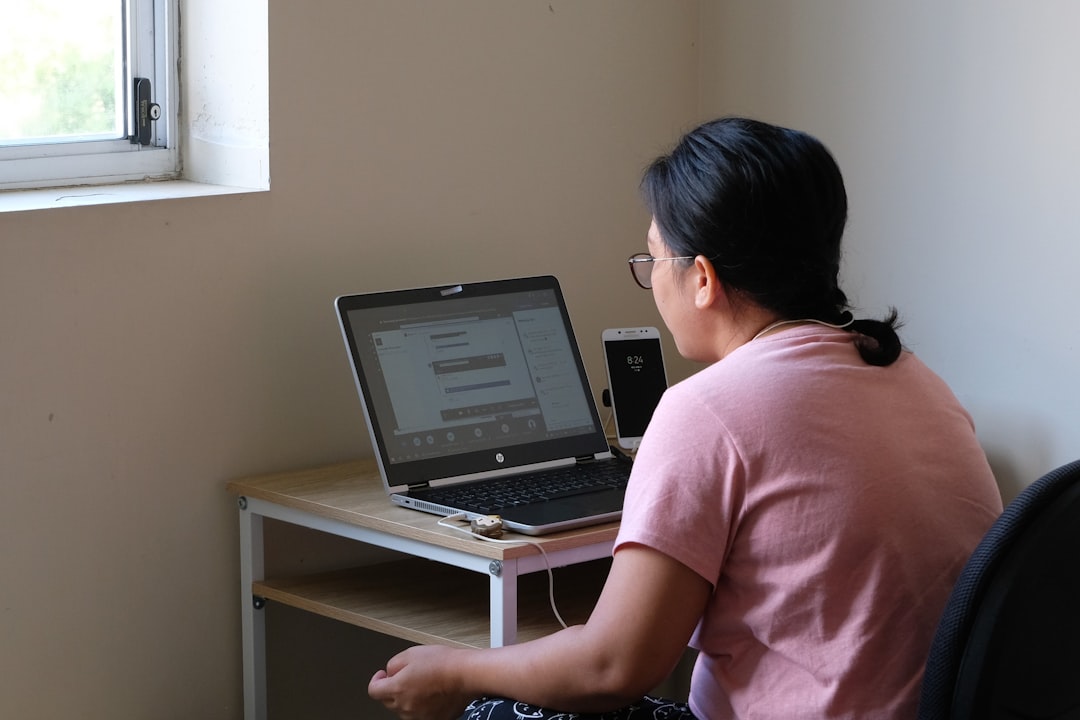
How Online Test Proctoring Detects Cheating
To determine whether Cluely is undetectable, it’s essential to understand how modern proctoring works. Many institutions use advanced monitoring software that can identify suspicious activity in several ways.
1. Browser Lockdown Systems
Lockdown browsers prevent users from opening additional tabs, accessing other websites, copying and pasting text, or launching external programs. If Cluely runs as a web-based tool or extension, it may be blocked or flagged immediately.
2. Screen Monitoring
Some testing software records the user’s screen activity in real time. Switching windows, accessing external apps, or using keyboard shortcuts can trigger alerts.
3. AI Behavior Analysis
Ironically, AI is also used to detect AI. Some systems analyze typing patterns, speed consistency, answer sophistication, and language style changes. If a student suddenly shifts from average writing to highly advanced responses, the system may flag it for review.
4. Webcam and Audio Monitoring
Remote proctoring tools often use webcams and microphones to detect unusual eye movement, background voices, or device usage. Looking at a phone repeatedly, for instance, can generate suspicion.
5. Keystroke and Metadata Tracking
Advanced systems monitor how text is entered. If answers appear instantly via paste or autofill, or if typing patterns don’t match previous submissions, this can raise red flags.
Is Cluely Technically Undetectable?
There is no universal answer. Cluely is not inherently undetectable, but detection depends entirely on context.
In unproctored environments, such as take-home tests with no lockdown browser or monitoring software, using AI tools may be technically difficult to detect. However, instructors may still identify AI-generated writing through style inconsistencies or dedicated AI detection software.
In remotely proctored exams, the risk increases significantly. Running unauthorized applications, switching tabs, or copying text can be logged automatically. Even indirect use—such as consulting a second device—may be noticeable if camera monitoring is active.
In in-person testing environments, detection depends on physical supervision. If devices are allowed, oversight varies; if not, the risk is obvious.
Comparison: Cluely vs Other AI Tools During Tests
Students often compare Cluely with other AI platforms and wonder whether one option might be “safer” than another. In reality, detection risk depends more on testing controls than on the specific AI brand.
| Tool Type | How It Works | Detection Risk in Proctored Exam | Detection Risk in Unproctored Exam |
|---|---|---|---|
| Web Based AI (like Cluely) | Accessed via browser tab | High if lockdown browser is used | Moderate if checked for AI generated text |
| Browser Extension AI | Embedded into browsing session | Very high if software scans extensions | Moderate |
| Separate Device AI | Used on phone or tablet | Moderate to high if video monitored | Low to moderate |
| Offline AI Software | Installed locally without internet | High if application activity tracked | Low unless writing style flagged |
This comparison shows that no AI tool is completely invisible. The environment determines the actual level of risk.
Can AI-Generated Answers Be Detected After Submission?
Even if Cluely is not detected during the exam itself, detection may happen later. Many institutions now review submissions using AI-writing detectors and plagiarism analysis software.
Post-exam detection methods may include:
- Stylometric analysis comparing writing style across assignments
- Perplexity scoring measuring how predictable language is
- Burstiness evaluation analyzing sentence variation
- Knowledge depth checks through follow-up questioning
For example, if a student submits a flawless essay but cannot explain their reasoning verbally later, this inconsistency may raise academic integrity concerns.
Common Myths About Undetectable AI Tools
There are widespread misconceptions about AI and exam monitoring. Below are several myths worth addressing:
- Myth 1: AI text is impossible to recognize.
In reality, AI-generated language often follows predictable patterns, making it identifiable through statistical tools. - Myth 2: Using a phone makes AI use undetectable.
If the exam requires webcam monitoring, unusual eye movements or off-screen focus can be flagged. - Myth 3: Short answers avoid detection.
Even brief responses can be flagged based on typing speed, structure, or knowledge mismatch.
Believing AI use is automatically invisible can create a false sense of security.

Institutional Policies Matter More Than Technology
Detection risk is only part of the issue. Academic policies clearly state whether AI assistance is allowed. Some institutions permit AI for brainstorming but prohibit its use in graded exams. Others ban it entirely unless explicitly approved.
Violations may result in:
- Test invalidation
- Academic probation
- Course failure
- Suspension or expulsion
Even if Cluely were technically undetectable in a specific scenario, policy violations still carry serious consequences if discovered.
Ethical and Practical Considerations
Beyond detection, students should consider practical outcomes. Tests are designed to measure understanding. If AI provides answers during an exam, this may create knowledge gaps that become problematic later in cumulative courses or professional settings.
Additionally, institutions are rapidly adapting. What might bypass detection today may not remain undetectable tomorrow. Software updates, AI detection improvements, and stricter monitoring policies are continuously evolving.
So, Is Cluely Undetectable for Tests?
The balanced conclusion is this: Cluely is not guaranteed to be undetectable, especially in proctored or monitored test environments. While technology can sometimes be used discreetly, detection systems are increasingly sophisticated. Even if immediate detection does not occur, post-submission analysis may reveal AI involvement.
The safest and most sustainable strategy is to use AI responsibly—primarily as a study aid rather than as a live test assistant. Understanding a subject thoroughly reduces both risk and stress.
Frequently Asked Questions (FAQ)
1. Can Cluely bypass a lockdown browser?
Most lockdown browsers restrict access to outside websites, browser extensions, and additional applications. If Cluely requires browser access or a running program, it is likely to be blocked or flagged.
2. Is using Cluely on a second device undetectable?
Not necessarily. If a webcam monitors eye movement or behavior, frequent glances away from the screen can trigger alerts. Additionally, some in-person or remote proctoring setups require a 360-degree room scan.
3. Can professors tell if answers were written by AI?
Professors may detect AI use through writing style inconsistencies, AI detection software, or follow-up questions that test understanding. Sudden changes in vocabulary and complexity can be noticeable.
4. Are AI detection tools 100% accurate?
No detection tool is perfectly accurate. However, when combined with behavior monitoring and writing analysis, they significantly increase the chance of identifying unauthorized AI use.
5. Is it safer to use AI in take-home exams?
While unproctored exams reduce live monitoring risks, many institutions still analyze submissions after the fact. Policy violations can still result in penalties.
6. Should students avoid AI completely?
Not necessarily. Many institutions allow AI for studying, drafting practice responses, or clarifying concepts. The key is following official guidelines and understanding when AI use is permitted.
In summary, Cluely is not magically invisible to modern testing systems. As AI detection evolves alongside AI generation, the assumption of undetectability becomes increasingly unreliable. Students should prioritize policy awareness, ethical decision-making, and genuine preparation over short-term technical workarounds.