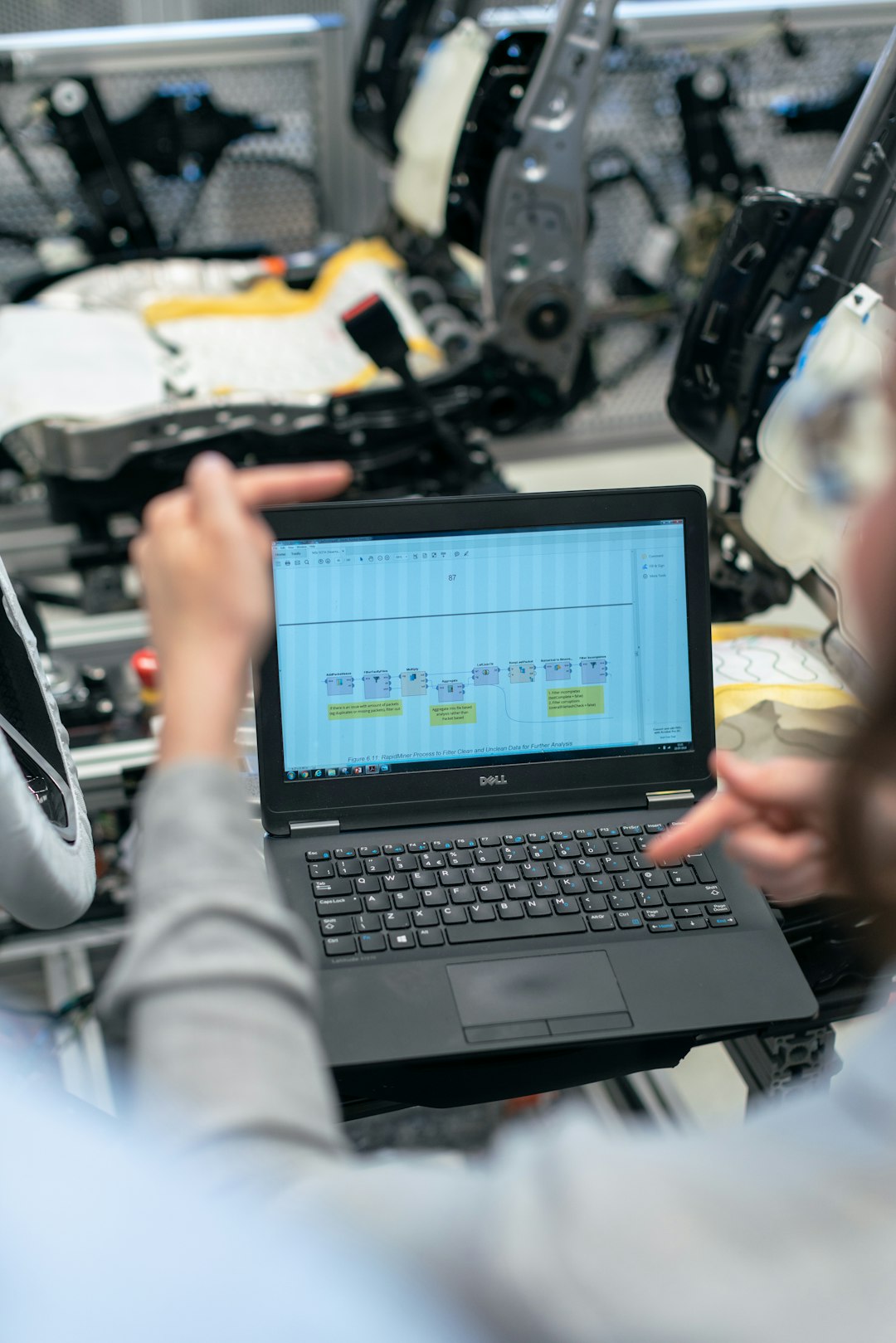
As 2026 approaches, artificial intelligence is no longer an experimental technology or a distant promise. It is becoming a stable layer of modern society, comparable to electricity, the internet, or cloud computing. Organizations, governments, and individuals are moving beyond asking what AI can do and focusing instead on how it should be integrated responsibly, efficiently, and at scale. The defining feature of AI in 2026 will not be novelty, but normalization.
TLDR: By 2026, AI will be deeply embedded in daily work, healthcare, education, and governance, operating largely in the background rather than as a standalone tool. The focus will shift from experimentation to reliability, oversight, and measurable outcomes. Human-AI collaboration will become the default model, with clear boundaries and accountability. The central challenge will be managing trust, ethics, and long-term impact, not technical capability.
The Transition from Tools to Infrastructure
In earlier years, AI systems were often adopted as discrete tools: a chatbot on a website, a recommendation engine in an app, or a model used by data science teams. By 2026, AI will increasingly function as infrastructure. Much like databases or operating systems, it will underpin a wide range of services without drawing constant attention to itself.
Companies will rely on AI to optimize supply chains, forecast demand, detect anomalies, and automate compliance checks. These systems will no longer be experimental pilots but core components of business operations, evaluated for reliability, uptime, and cost efficiency. The most valuable AI systems will be those that integrate cleanly with existing workflows and produce consistent, auditable outcomes.

Human-AI Collaboration at Work
Rather than replacing large segments of the workforce, AI in 2026 will primarily reshape how people work. Knowledge workers will increasingly operate alongside AI systems that draft documents, analyze large datasets, summarize meetings, and propose options. The human role will focus on judgment, context, and accountability.
In professional environments, we will see widespread adoption of:
- AI copilots embedded in productivity software
- Automated research and reporting assistants
- Decision-support systems for finance, law, and engineering
- Real-time language translation in global teams
Importantly, organizations will formalize rules around AI usage. Policies will clarify when AI-generated output can be used directly, when it must be reviewed, and who is accountable for errors. Trust will be built not through blind acceptance, but through transparent collaboration.
Healthcare: From Innovation to Standard Practice
Healthcare will be one of the most impactful areas of AI use by 2026, particularly in diagnostics, operations, and patient monitoring. AI systems will assist clinicians by analyzing medical images, flagging concerning patterns in patient data, and predicting risks before symptoms become critical.
These tools will not replace doctors or nurses, but they will significantly augment their capabilities. Routine tasks such as documentation, appointment triage, and initial assessments will increasingly be automated, allowing medical professionals to spend more time with patients.

Regulatory oversight will play a crucial role. By 2026, approved medical AI systems will be required to demonstrate explainability, accuracy across diverse populations, and continuous monitoring for bias or drift. Trust in healthcare AI will depend on evidence and accountability rather than marketing claims.
Education and Personalized Learning
In education, AI will be used less as a novelty and more as a support system for teachers and learners. Adaptive learning platforms will adjust content based on a student’s pace, strengths, and gaps, while educators will use AI-generated insights to identify where intervention is most needed.
Key applications will include:
- Personalized tutoring and feedback at scale
- Automated grading for objective assessments
- Curriculum planning based on learning analytics
- Language and accessibility support for diverse learners
At the same time, institutions will place limits on AI use in assessments and coursework. The emphasis will shift toward teaching students how to work with AI ethically and critically, rather than attempting to exclude it entirely. AI literacy will be considered a fundamental skill, similar to digital literacy in earlier decades.
Creative and Media Production
By 2026, AI-generated content will be widespread but more carefully governed. In design, marketing, film, and music, AI will be used to generate drafts, explore variations, and accelerate production timelines. Human creators will act as directors and editors, shaping outputs rather than producing everything from scratch.
Clear labeling and disclosure will become standard practice, particularly in journalism and advertising. Audiences will increasingly expect transparency about how content was produced, and regulatory frameworks will require it in sensitive domains. Authenticity will become a competitive advantage, not a casualty, of AI adoption.

Governance, Regulation, and Trust
One of the defining characteristics of AI usage in 2026 will be the maturity of governance structures. Governments and international bodies will enforce clearer rules around data usage, model accountability, and risk management. Companies deploying AI at scale will be expected to maintain documentation, monitoring systems, and human oversight.
Ethical considerations will no longer be abstract discussions. Issues such as bias, surveillance, misinformation, and environmental impact will be measured and addressed through concrete standards. Trustworthy AI will mean AI that is:
- Transparent in its purpose and limitations
- Auditable and traceable in its decisions
- Designed with human oversight in mind
- Aligned with legal and social norms
Organizations that fail to meet these expectations will face not only regulatory penalties but also reputational consequences.
Everyday Life and Consumer Applications
For individuals, AI in 2026 will feel less like a separate technology and more like an ambient assistant. Personal devices will manage schedules, filter information, recommend actions, and anticipate needs with increasing accuracy. Smart homes, transportation systems, and public services will rely on AI to optimize convenience and efficiency.
Crucially, users will demand more control. People will expect to customize how their data is used, understand why recommendations are made, and opt out of certain forms of automation. The success of consumer AI will depend on respect for user autonomy as much as on technical sophistication.
Conclusion: A Quiet but Profound Shift
The question of how we will use AI in 2026 is less about dramatic breakthroughs and more about steady integration. AI will become a dependable partner in work, healthcare, education, and daily life, operating largely behind the scenes. Its value will be measured by reliability, fairness, and the quality of human decisions it supports.
If the next phase of AI adoption is successful, it will not be because machines became more impressive, but because societies learned how to use them wisely. The defining achievement of AI in 2026 may be that it feels ordinary, trusted, and responsibly managed, even while quietly transforming the world.