Nothing ruins a good binge-watch like the dreaded spinning wheel of buffering doom. Or when a file that should take two minutes suddenly says “23 hours remaining.” Ugh. Whether you’re streaming the latest thriller or downloading a game, connection hiccups can zap all the fun. But fear not! Let’s dive into real-world fixes you can try—no rocket science required.
TLDR: Too Long, Didn’t Read
Most streaming or downloading issues come down to one thing: poor network performance. First, test your internet speed and check your Wi-Fi signal strength. Then, look at your router settings and consider rebooting or relocating it. If you’re still stuck, changing your DNS or following a solution checklist can help you get back to streaming in no time.
1. Check Your Internet Speed
If YouTube is stuck in 144p and your Netflix looks like an 8-bit video game, check your speed first.
- Visit a speed test site like Speedtest.net
- Click that big GO button
- Look at your download speed and ping
Here’s what you should aim for:
- Netflix HD: At least 5 Mbps
- 4K Streaming: Minimum 25 Mbps
- Online Gaming or Zoom: Low ping (under 50ms), 10 Mbps+
If your speed is way below what you’re paying for, someone (probably your ISP) has some explaining to do.
2. Reboot. Yes, Really.
Sometimes the best fix is the simplest one.
- Unplug your router and modem
- Wait 10–30 seconds
- Plug them back in, modem first, then router
This clears your network’s “cobwebs” and refreshes your connection to your Internet Service Provider (ISP).
3. Mind Your Router’s Mood
Your router may not be in the best location or could be getting old and grumpy.
Try these steps:
- Relocate it: Place it higher and more central in your house
- Limit interference: Avoid placing it near microwaves, baby monitors, or thick concrete walls
- Mesh Wi-Fi, anyone? If your home is large, consider upgrading to a mesh Wi-Fi system
Also, log into your router settings (usually at 192.168.0.1 or 192.168.1.1) to:
- Check for firmware updates
- Change Wi-Fi channels for less interference (try channels 1, 6, or 11 on 2.4GHz)
- Enable QoS (Quality of Service) to prioritize streaming or gaming traffic
4. Are Too Many Devices Partying on Your Connection?
Your smart fridge doesn’t need to stream YouTube in the background. If 12 devices are all trying to use the internet at once, you will feel it.
What to do:
- Disconnect unnecessary devices
- Connect your streaming devices to 5GHz Wi-Fi (faster but shorter range)
- Use Ethernet cables when possible for stable speed
This alone can make a night-and-day difference when it comes to 4K streaming or downloading large files.
5. DNS Woes? Try Swapping It
Your DNS is like the internet’s version of a phonebook. A slow or unreliable one can jam things up. The fix? Use a non-ISP DNS that’s faster.
Best free DNS options:
- Google DNS: 8.8.8.8 and 8.8.4.4
- Cloudflare DNS: 1.1.1.1 and 1.0.0.1
- OpenDNS: 208.67.222.222 and 208.67.220.220
You can change this in your device’s network settings or directly in your router settings for all connected devices.
6. It Might Be the App or Site’s Fault
Before tossing your router out the window, check if the app or website is struggling on its end. Popular streaming platforms sometimes have outages too.
Ways to check:
- Go to Downdetector.com
- Ask a friend to try streaming the same content
- Try a different platform or app and see if the problem follows
7. Update, Update, Update!
Old software = Weird problems.
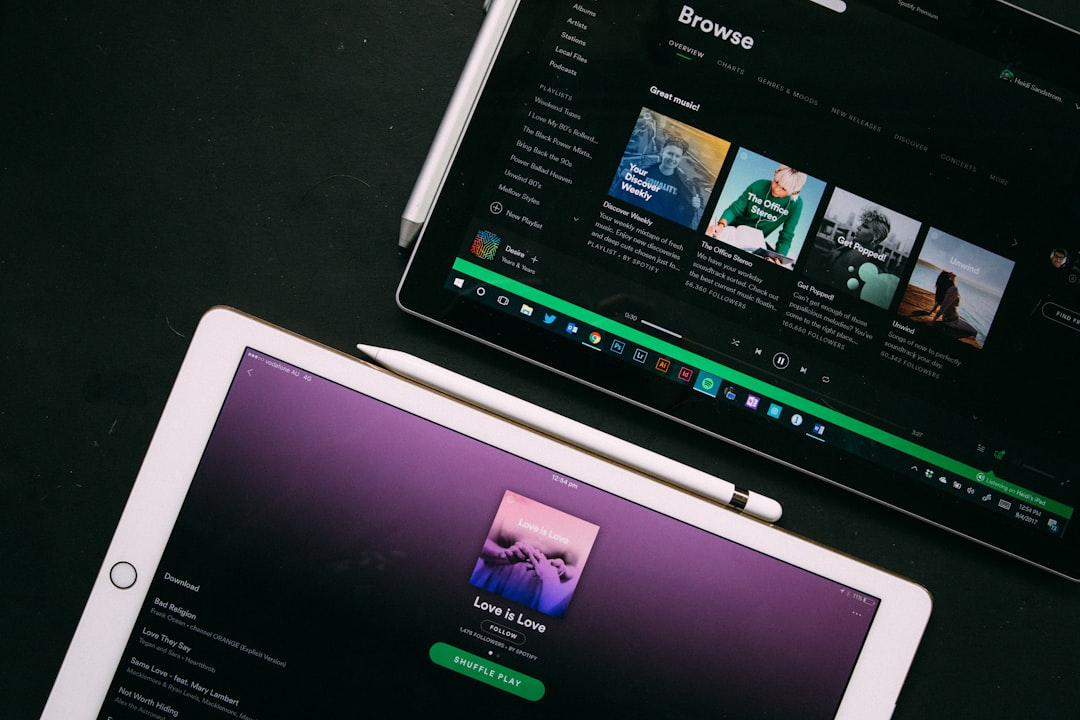
- Update your apps — Netflix, Spotify, etc.
- Update your OS — Windows, macOS, Android, iOS
- Update router firmware — You might have to log into the router’s admin panel
New updates often come with performance fixes and can help your streaming or download issues vanish magically.
8. Try a Wired Connection
Wi-Fi can be unpredictable, especially with distance and interference.
Pro tip: Plug your streaming device, gaming console, or PC into the router with an Ethernet cable for buttery-smooth speed. No buffer, no lag.
9. Kill Background Bandwidth Hogs
You might not even know what’s sucking up your data in the background.
Things to look for:
- Auto-syncing cloud apps (like Google Drive, Dropbox)
- Software updates downloading quietly
- Background apps like Skype or Zoom staying “online”
Close apps and windows you’re not using. Also, use your Task Manager (Windows) or Activity Monitor (macOS) to find sneaky bandwidth thieves.
10. The Ultimate Fix: Your ISP
If you’ve tried everything and speeds are still garbage, the culprit might be your actual internet plan.
Call your ISP and ask:
- If there are outages or maintenance in your area
- Whether your equipment (modem/router) is outdated
- What speeds you’re actually getting VS what you’re paying for
Sometimes a plan upgrade can save your streaming sanity. Or, if possible, switch to a more reliable provider.
Checklist Users Swear By
Here’s a quick go-to list if you’re scratching your head:
- Run a speed test
- Reboot the modem and router
- Move closer to the router or switch to 5GHz
- Update DNS to Google, Cloudflare, or OpenDNS
- Limit devices and stop background bandwidth usage
- Check for app outages on Downdetector
- Check software and firmware updates
- Plug in a wired connection if possible
- Contact your ISP if nothing works
With this trusty checklist, you’ll power through most streaming storms and download disasters with confidence.
Final Thoughts
Streaming and downloads should just work. And now, with all these tips tucked in your toolkit, they will. Remember—just like pizza, internet works best when it’s fresh and not stuffed with unwanted extras. Keep things tidy, and you’ll be back to marathons and music in no time.