The fashion industry, long associated with glitz, glamour, and fast-changing trends, is undergoing a major transformation. As consumers become increasingly eco-conscious, the focus is shifting from aesthetics alone to sustainability and ethical production. This evolution is being significantly influenced by the advent and innovation of sustainable fabrics, which are not only better for the environment but also redefining how fashion is designed, produced, and perceived.
TL;DR
Sustainable fabrics are changing the way fashion is produced and consumed. These eco-friendly materials, such as organic cotton, hemp, and recycled polyester, reduce environmental impact and promote ethical manufacturing practices. Major brands and independent designers alike are adopting these textiles, signaling a major industry shift. With increased awareness and innovation, sustainable fashion is poised to become the new norm rather than a niche movement.
The Environmental Cost of Traditional Fabrics
Conventional textile production takes a massive toll on natural resources. For instance, it takes approximately 2,700 liters of water to produce one cotton t-shirt—enough water for a single person to drink over 2.5 years. Moreover, synthetic fibers like polyester are derived from petroleum, contributing to carbon emissions and microplastic pollution. The use of dyes and detergents in fabric processing also contaminates waterways, harming aquatic ecosystems and wildlife.
The lifecycle of traditional fabrics—from raw material extraction to consumer disposal—is dominated by high energy consumption and waste. Fast fashion further amplifies this by prioritizing volume and speed, often leading to massive textile waste. Recognizing this damage, industry leaders and innovators are focusing on alternatives that significantly lower these environmental costs.
What Are Sustainable Fabrics?
Sustainable fabrics refer to textiles that are produced in a way that minimizes negative environmental impacts and promotes ethical labor practices. These fabrics are either derived from renewable resources, involve low-impact manufacturing processes, or utilize recycled materials to reduce waste.
Some of the most popular sustainable fabrics include:
- Organic Cotton: Grown without harmful pesticides or synthetic fertilizers, it uses less water and promotes soil health.
- Hemp: Requires little water, regenerates soil, and is naturally pest-resistant.
- Bamboo: A fast-growing plant that requires no replanting and minimal chemicals.
- Recycled Polyester: Creates new fibers from plastic bottles and textile waste, reducing landfill impact.
- TENCEL™ (Lyocell): Made from responsibly sourced wood pulp using a closed-loop process that recycles water and solvents.
These fabrics are not only better from an ecological perspective, but they often offer qualities such as better breathability, softness, and durability, making them attractive to eco-conscious consumers and designers alike.
The Role of Technology in Advancing Sustainable Textiles
Modern technology is playing a vital role in advancing sustainable fabric innovation. From biodegradable materials grown in labs to dye-free fabric weaving techniques, the fusion between research and creativity is opening new horizons for eco-fashion. Startups are experimenting with mushroom-based leather alternatives, apple peels for vegan leather, and even algae-derived textiles that can decompose post-use.
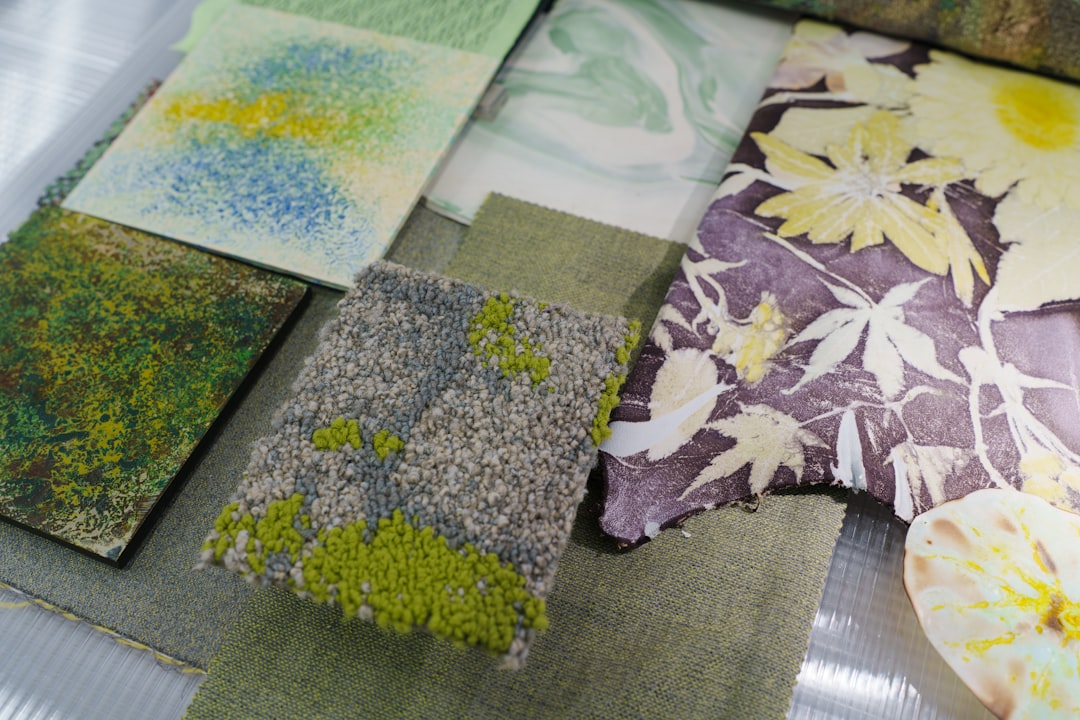
Digital tools are also enabling traceability within the supply chain. Technologies like blockchain help consumers verify the sustainability claims of a garment, allowing transparency from sourcing to store shelf. With these tech advancements, brands can ensure accountability and build greater trust with their audience.
Brands Leading the Eco-Fashion Revolution
Today, both established fashion giants and indie labels are embracing sustainable fabrics. Brands like Patagonia, Stella McCartney, and Everlane have committed to reducing their carbon footprint through responsible material sourcing and transparent manufacturing practices.
High fashion is also taking notice. Gucci and Hermès have started incorporating plant-based leathers and eco-yarns into select collections. Even fast-fashion entities such as H&M and Zara are introducing “conscious” collections to meet growing consumer demand for greener alternatives.
Beyond clothing, sustainable fabrics have extended to accessories as well, with shoes, bags, and even hats being made from pineapple leather, cork, and recycled rubber. This wide adoption is indicative of a permanent change in how fashion interacts with the environment.
Consumer Influence and Awareness
At the heart of this transformation is the consumer. The modern shopper is more informed and more vocal about environmental issues. Social media has amplified awareness campaigns and brought attention to ethical violations in major fashion supply chains. Platforms like Instagram and TikTok have become forums for fashion influencers and eco-activists to share insights on sustainability.
According to a 2019 Nielsen survey, 73% of global consumers said they would definitely or probably change their consumption habits to reduce their environmental impact. This growing consciousness has put pressure on brands to keep up or risk being left behind.

This grassroots push by consumers has not only led to changes in product compositions but has also influenced how garments are packaged, shipped, and recycled. More brands are offering take-back programs and using compostable or recyclable packaging to meet these new expectations.
Challenges of Mainstreaming Sustainable Fabrics
Despite progress, several challenges hinder the widespread adoption of sustainable fabrics. The primary issues include:
- Price: Sustainable fabrics often cost more to produce, which can lead to higher retail prices.
- Scaling Production: Many eco-friendly materials are not yet available at the volumes needed to meet global demand.
- Greenwashing: Some brands falsely market products as sustainable without full evidence to support those claims.
However, the gap is slowly closing. With increasing investment and innovation, sustainable materials are becoming more cost-effective and accessible. As economies of scale develop, it’s likely that these fabrics will become not only standard but also competitive with traditional textiles in both price and performance.
Conclusion
Sustainable fabrics are no longer a fringe element of the fashion industry—they are a central force reshaping the future of apparel. As new materials emerge and consumer demand continues to grow, it’s clear that sustainability isn’t just a trend but a necessity. By investing in ethical, eco-friendly options, designers and brands are not only safeguarding the planet but also future-proofing their businesses in a rapidly evolving market.
FAQs
-
What makes a fabric sustainable?
A fabric is considered sustainable if it is produced in a manner that minimizes environmental damage, uses renewable or recycled resources, and promotes ethical manufacturing practices. -
Are sustainable fabrics more expensive?
Initially, they may be more costly due to ethical sourcing and production, but long-term benefits include durability, biodegradability, and reduced environmental impact. -
How can consumers identify truly sustainable fabrics?
Look for certifications such as GOTS (Global Organic Textile Standard), OEKO-TEX, and Fair Trade, and research brand transparency on supply chains and material sourcing. -
Can sustainable fabrics replace traditional ones entirely?
With advancements in technology and increased production, it is increasingly possible for sustainable fabrics to become the norm across various segments of the fashion industry. -
What are some innovative sustainable fabrics to watch?
Materials such as mushroom leather, banana fiber, algae-based textiles, and lab-grown silk are gaining traction in eco-conscious fashion circles.