The journey from crafting small-batch moonshine in a backyard shed to operating a fully licensed commercial distillery is one marked by ambition, craftsmanship, and carefully selected equipment. Distilling is both an art and a science, requiring precision tools that influence flavor, purity, yield, and consistency. Choosing the right distilling equipment can determine whether a hobby remains a passion project or grows into a profitable business.
TLDR: Choosing the right distilling equipment depends on scale, goals, and regulatory requirements. Small-scale moonshine setups prioritize simplicity and affordability, while commercial distilleries require precision, scalability, and compliance. Key components such as still type, heating method, condenser design, and fermentation systems significantly impact product quality. Careful planning ensures a smooth transition from hobbyist to professional operation.
Understanding the differences between backyard setups and commercial operations is critical. While both rely on similar core principles—fermentation, heating, vapor separation, and condensation—the equipment involved varies dramatically in capacity, material quality, automation, and safety compliance.
The Foundations of Distilling Equipment
At its core, a distilling system consists of several essential components:
- Fermentation vessel
- Boiler or pot
- Column or head
- Condenser
- Collection system
Each component plays a critical role in separating alcohol from fermented mash. In moonshine operations, equipment is often minimal and manually operated. In contrast, modern distilleries incorporate advanced monitoring systems and scalable designs.
Backyard Moonshine Setups: Simplicity and Craft
Small-scale distillers often begin with compact pot stills. These stills are favored for their simplicity and ability to retain flavor compounds, making them ideal for whiskey, rum, and traditional corn-based moonshine.
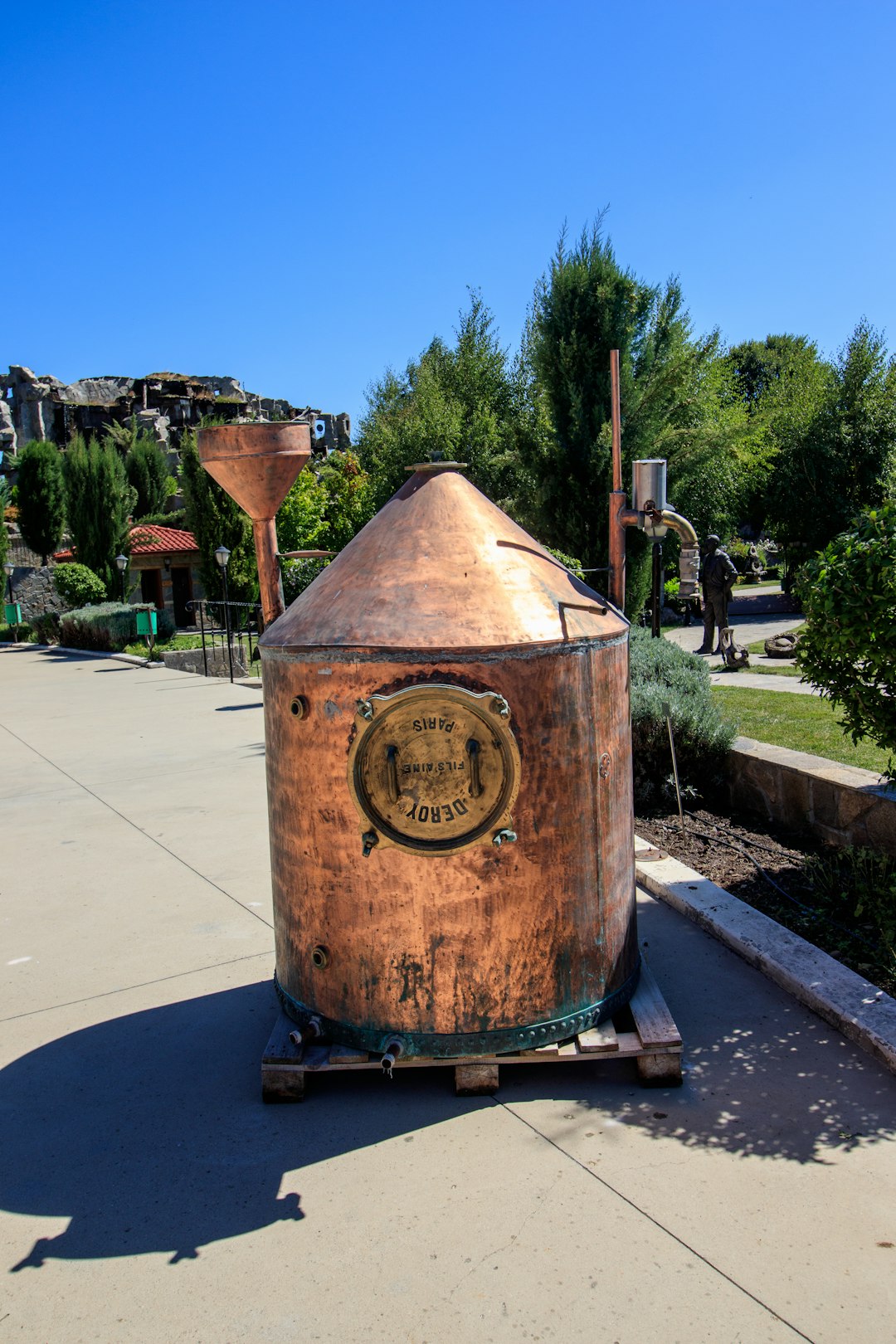
Common characteristics of backyard setups include:
- 5–20 gallon capacity
- Copper construction for improved sulfur removal
- Manual temperature control
- Basic worm or Liebig condensers
- Limited automation
Copper remains a popular material because it reacts with sulfur compounds produced during fermentation, resulting in smoother spirits. However, stainless steel models are increasingly chosen for affordability and durability.
Heating methods also vary. Many hobbyists use propane burners due to their accessibility and low upfront cost. Electric heating elements are considered safer and provide greater temperature precision, but may require more advanced installation.
For those looking to experiment with flavors and mash bills, smaller systems allow flexibility without major financial risk. However, they may lack consistency between batches, which becomes a challenge when scaling up.
Stepping Up: Transitioning to Semi-Professional Equipment
As demand grows, distillers often upgrade to larger stills in the 50–200 gallon range. At this stage, hybrid stills—combining pot and column features—become attractive.
Hybrid stills provide:
- Greater control over reflux ratios
- Higher alcohol purity when needed
- The ability to produce multiple spirit types
- Improved batch consistency
This transitional stage frequently introduces digital thermometers, sight glasses, and improved condenser systems. Glycol chillers may replace basic water-fed condensers to provide precise temperature management.
Another significant upgrade is the adoption of dedicated fermentation tanks. Stainless steel fermenters with airlocks and sanitary valves improve hygiene and product reliability—two critical factors for commercial viability.
Commercial Distilleries: Precision and Compliance
Once a distiller enters the commercial arena, equipment must meet local and federal regulations. This shift demands certified food-grade materials, safety valves, pressure relief systems, and documented cleaning protocols.
Image not found in postmetaCommercial systems typically feature:
- 300–5,000+ gallon stills
- Advanced column stills or continuous stills
- Automated temperature and pressure controls
- CIP (clean in place) systems
- Steam jacketed boilers
- Data logging software
Column stills dominate large-scale operations due to their efficiency and ability to produce high-proof neutral spirits. Continuous stills allow nonstop production, dramatically increasing output compared to batch pot stills.
Steam heating becomes the preferred method at scale. Steam jackets provide even heat distribution, minimize scorching, and improve safety compared to open flames.
Pot Still vs. Column Still: A Comparison
| Feature | Pot Still | Column Still |
|---|---|---|
| Flavor Retention | High | Moderate to low |
| Alcohol Purity | Moderate | High |
| Batch vs Continuous | Batch | Batch or Continuous |
| Operational Complexity | Simple | Advanced |
| Best For | Whiskey, Rum, Brandy | Vodka, Neutral Spirits |
This choice often defines a distillery’s product line. Craft producers focusing on rich, character-driven spirits typically lean toward pot stills. Large-scale vodka producers favor multi-plate column systems.
Material Matters: Copper vs. Stainless Steel
Selecting the right material impacts both flavor and longevity.
Copper Benefits:
- Removes sulfur compounds
- Traditional aesthetic appeal
- Excellent heat conductivity
Stainless Steel Benefits:
- Lower maintenance
- Greater durability
- Cost-effective at scale
Many modern systems combine both materials—stainless steel bodies with copper plates or mesh inserts—to balance performance and cost.
Fermentation and Mash Equipment
Distilling starts long before vapor rises in a still. Proper fermentation equipment is equally vital.
Image not found in postmetaCommercial operations invest in:
- Insulated mash tuns
- Agitators for grain mixing
- Temperature controlled fermenters
- Sanitary transfer pumps
Consistent fermentation ensures predictable alcohol yields and flavor development. Inadequate fermentation equipment can undermine even the most sophisticated still.
Automation and Monitoring Systems
Modern distilleries increasingly embrace automation. Digital controllers regulate temperature, pressure, and reflux ratios. Automated cut systems help separate heads, hearts, and tails with higher precision.
While traditionalists value hands-on control, automation enhances:
- Repeatability
- Energy efficiency
- Safety compliance
- Labor cost reduction
For growing businesses, integrating automation early can simplify scaling efforts later.
Budget Considerations and ROI
Backyard stills may cost a few hundred to a few thousand dollars. Commercial systems can range from $50,000 to several million depending on capacity and customization.
When evaluating investment, distillers should consider:
- Projected production volume
- Target market pricing
- Energy consumption
- Maintenance expenses
- Licensing and compliance costs
Purchasing oversized equipment too early can strain finances, while undersized systems may limit growth. Strategic scaling—adding fermenters or upgrading columns incrementally—often proves most sustainable.
Safety and Legal Compliance
No discussion of distilling equipment is complete without addressing safety. Alcohol vapor is flammable, and improper setups pose serious risks.
Key safety considerations include:
- Pressure relief valves
- Explosion proof electrical components
- Proper ventilation systems
- Licensed inspection and certification
- Adherence to local distillation laws
Commercial distillers must also maintain thorough documentation for regulatory authorities. Investing in compliant equipment from reputable manufacturers minimizes long-term risk.
Planning for Growth
The transition from backyard moonshiner to commercial distiller requires more than ambition. It demands infrastructure that can grow alongside demand. Selecting modular systems, expandable columns, and scalable fermentation capacity allows businesses to evolve without complete equipment overhauls.
Ultimately, the right distilling equipment aligns with three factors:
- Production goals
- Desired spirit profile
- Long term business vision
Whether producing small-batch craft whiskey or high-volume vodka, thoughtful equipment selection forms the foundation of commercial success.
Frequently Asked Questions (FAQ)
1. What size still is best for beginners?
Most beginners start with a 5–10 gallon pot still. It offers manageable batch sizes while allowing experimentation without major financial investment.
2. Is copper better than stainless steel for distilling?
Copper improves flavor by removing sulfur compounds, but stainless steel is more durable and easier to maintain. Many modern systems combine both materials.
3. Can a pot still be used commercially?
Yes. Many craft distilleries use pot stills for whiskey, rum, and brandy. However, they may supplement with column stills for higher proof spirits.
4. How much does commercial distilling equipment cost?
Costs range widely from $50,000 for small commercial setups to several million dollars for large fully automated facilities.
5. What is the difference between batch and continuous distillation?
Batch distillation processes one load at a time and is common with pot stills. Continuous distillation runs nonstop, offering higher efficiency and volume.
6. Is it legal to distill moonshine at home?
In many countries, home distillation without a license is illegal. Regulations vary by region, so it is essential to research and comply with local laws.
7. What is the most important equipment upgrade when going commercial?
Upgrading to certified, scalable stills with automated controls and compliant safety systems is typically the most critical step toward commercial operation.