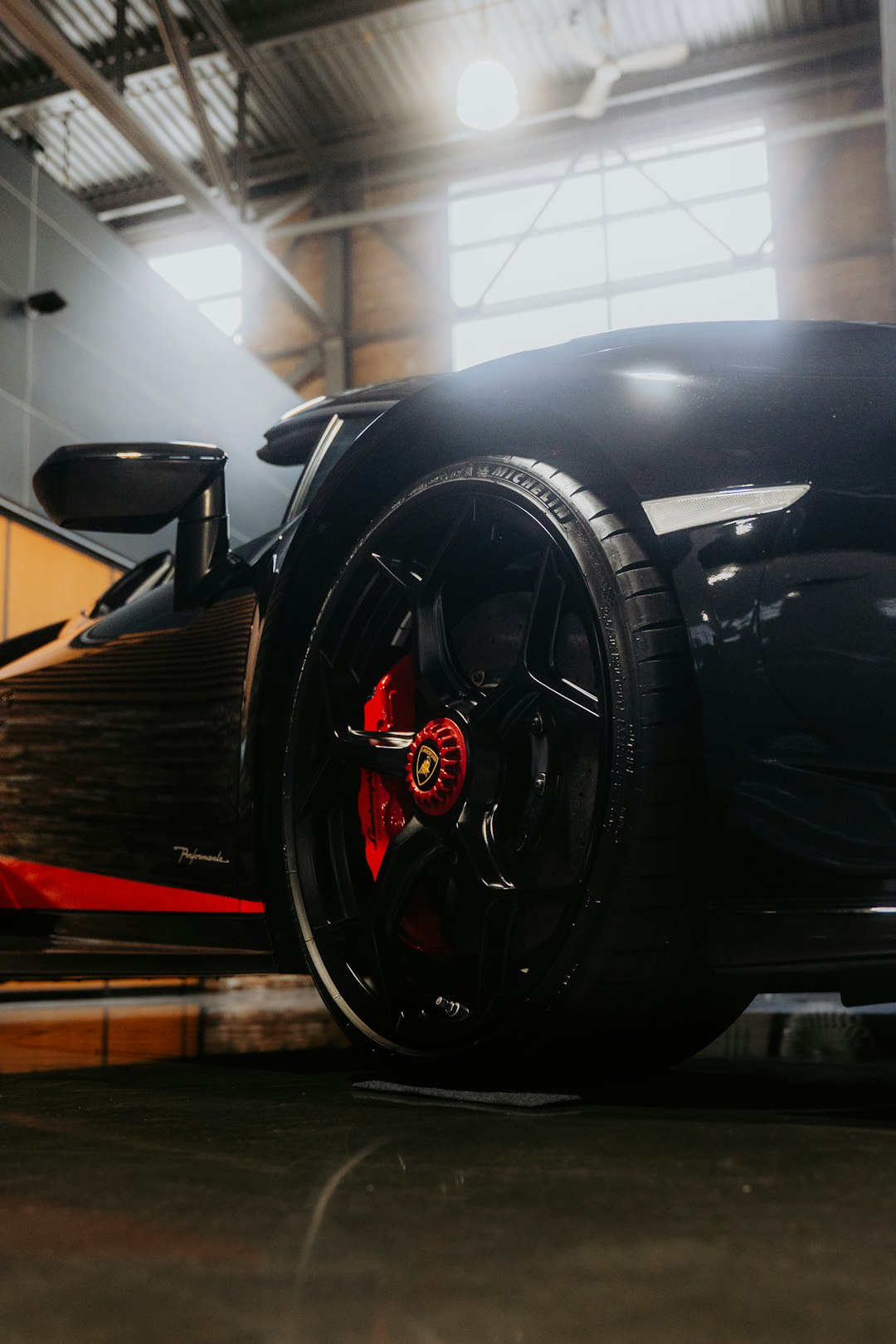
In the world of motorsport, perhaps no machine epitomizes precision engineering more than a Formula One car. Every component is meticulously designed and obsessively refined to deliver maximum performance. Among the most crucial parts is the Formula One wheel — a deceptively simple yet highly sophisticated piece of automotive engineering that bears the brunt of the car’s power and performance demands.
TLDR (Too long, didn’t read)
Formula One wheels are engineering masterpieces designed to withstand extreme speeds, forces, and temperatures. Constructed from advanced materials like magnesium alloys and carbon fiber, their design optimizes performance, durability, and safety. Modern F1 wheels are coupled with custom race tires and connected to intricate telemetry systems that team engineers use in real-time. Their evolution is a story of innovation, precision, and relentless pursuit of speed and safety on the track.
Materials: The Foundation of Performance
The construction of a Formula One wheel begins with its core material — usually made from a magnesium alloy. Magnesium combines strength and lightness, making it ideal for reducing unsprung mass, which has a direct impact on handling and performance. Unlike steel or aluminum commonly seen in consumer vehicles, magnesium is lighter, albeit more expensive and more challenging to work with.
Wheels in F1 also incorporate carbon fiber elements for structural reinforcement and thermal resistance. Carbon fiber is essential in brake ducts and wheel covers, helping to maintain optimal operation temperatures even under extreme braking forces and at speeds exceeding 300 km/h.
Aerodynamics and Wheel Design
Unlike traditional road car wheels, the aerodynamics of F1 wheels dramatically influence a car’s performance. Engineers spend hundreds of hours in wind tunnels and use Computational Fluid Dynamics (CFD) to perfect the wheel design.
Modern wheels in Formula One are not just round rims to hold tires; they are aerodynamic devices. The 2022 regulations introduced mandatory wheel covers, also known as “aero fairings”, to reduce wake turbulence and improve airflow management around the car’s profile.
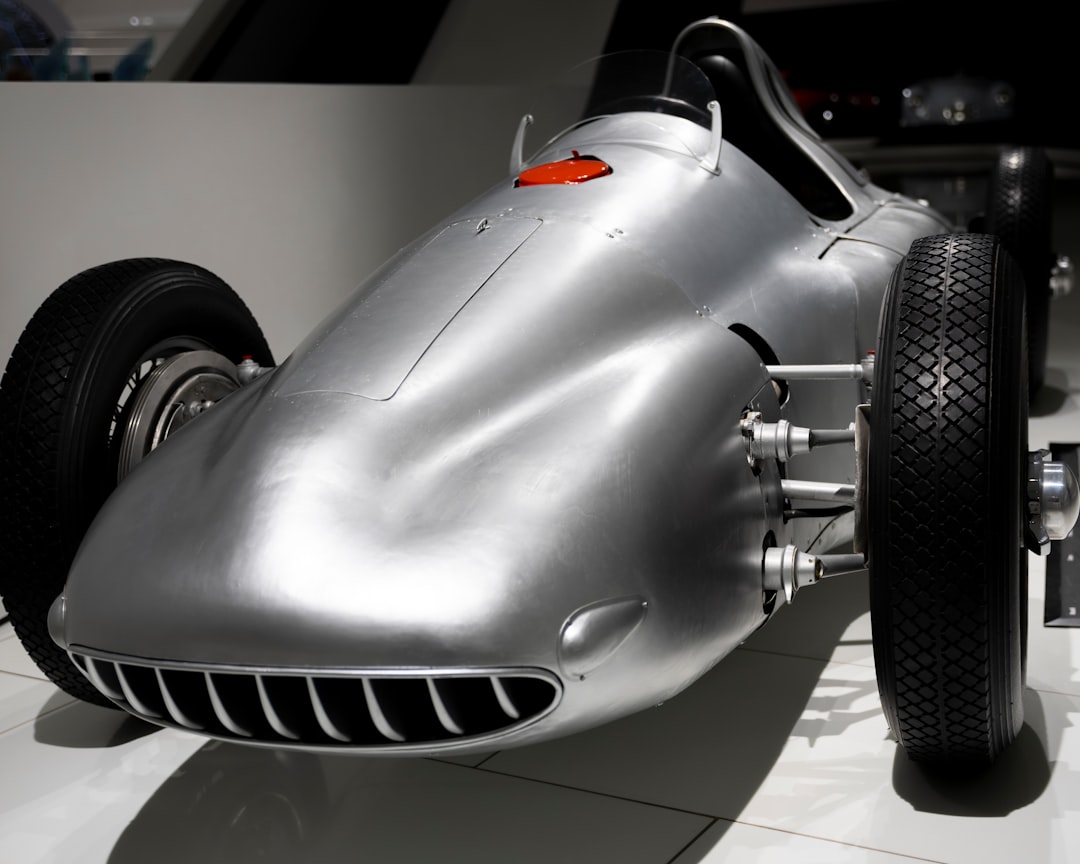
Teams often use techniques such as rim shaping and turbulator strips on the wheels to refine airflow. These small tweaks can make significant differences in tire temperature, brake cooling, and downforce levels, impacting both lap time and tire wear.
Tires: The Vital Interface
The Formula One wheel cannot be discussed without touching on the tires it houses. Pirelli is the exclusive tire provider in modern F1, offering several compounds tailored for different conditions. Each wheel is matched with a slick or wet-weather tire that contributes drastically to performance.
- Soft compounds offer higher grip but degrade faster.
- Hard compounds last longer but have lower grip.
- Intermediates and wets are for rainy conditions and have tread patterns to disperse water.
The tire’s role is to translate the car’s power, braking, and directional changes to the racetrack, making wheel-tire harmony a finely tuned marriage. Tire mounting is usually done with nitrogen instead of air to prevent pressure fluctuations due to temperature changes during races.
Wheel Attachment and Quick Changes
F1 wheels are affixed using a single central locking nut — a far cry from everyday cars that use 4–5 lug nuts. This central nut allows for faster tire changes during pit stops where every fraction of a second is critical.
The design includes a fail-safe mechanism to avoid misattachments. Wheel guns employed during pit stops are custom-engineered pneumatic tools capable of delivering up to 10,000 RPM to loosen or tighten a wheel in under two seconds.
A split-second error can be disastrous, which is why sensors embedded within the wheel assembly instantly relay locking status and alert teams to any fault in the attachment.
Integrated Telemetry and Monitoring
Modern Formula One wheels are not just mechanical components; they’re also digital data receivers. Wheels are equipped with sensors that monitor:
- Temperature of the tire and brake system
- Tire pressure
- Rotational speed for traction analysis
Real-time data allows teams to make split-second strategy decisions during a race, such as deciding when a tire is falling out of its optimal temperature window or when to change tires due to pressure loss. All this information is beamed directly back to the pit crew and integrated into multilayered telemetry dashboards.
Heat Management and Brake Cooling
Due to the proximity of the wheels to the braking system, managing heat is an essential function. Formula One wheels include cooling veins and brake ducts that help keep the temperature of brakes within operating limits that may reach over 1000°C during braking zones.
This is especially important in circuits with demanding brake requirements such as Monaco or Canada. Overheating not only compromises braking efficiency but also directly affects tire life and pressure, making efficient heat disbursement critical to overall performance.
Wear and Replacement
F1 wheels undergo rigorous inspection both before and after each race. Slight deformations, unseen by the naked eye, can significantly affect handling. Hence, each wheel is X-rayed and scanned for microscopic cracks or warping.
Wheels typically last only a few races at most, precisely because they are subjected to stresses far beyond those experienced in ordinary driving scenarios. Frequent replacement ensures reliability and optimal performance throughout the season.
Evolution: From Simplicity to Sophistication
In the early years of Formula One, wheels were simple metal disks with rubber tires wrapped around them. But as speeds and forces increased, so did the engineering complexity. The shift to carbon composites, sensor technology, and aerodynamic enhancements mirror the broader trend in motorsport—technological arms races pushing the boundaries of what’s possible on four wheels.
Nowadays, the Formula One wheel is a symbol of interdisciplinary excellence: combining materials science, thermodynamics, fluid mechanics, and electronics into just one component of a 1000-piece puzzle.
Frequently Asked Questions (FAQ)
- Q: What material are F1 wheels made of?
A: F1 wheels are primarily made from lightweight magnesium alloys with carbon fiber components to enhance strength and thermal resistance. - Q: How much does a Formula One wheel weigh?
A: A single F1 wheel (without the tire) typically weighs about 3–5 kilograms. Much of the weight is kept low to improve performance. - Q: Why does F1 use a single locking nut for wheels?
A: The central locking nut allows pit crews to remove and replace wheels quickly—often in under two seconds—critical for race performance. - Q: How often are F1 wheels replaced?
A: While tires are changed multiple times per race, the wheels themselves are inspected and may be replaced every few races depending on wear and stress tests. - Q: Do F1 wheels have sensors?
A: Yes, modern F1 wheels feature sensors that track temperature, pressure, and rotation, transmitting data live to engineers for performance tuning.