
The search landscape is undergoing one of its most significant transformations in decades. With the introduction of OpenAI’s SearchGPT, artificial intelligence is no longer just a backend ranking assistant—it is becoming the interface through which users retrieve, consume, and evaluate information. For businesses, publishers, and digital marketers, this shift signals a profound change in how visibility is earned online. Understanding the structure, capabilities, and implications of SearchGPT is now essential for anyone invested in search engine optimization.
TLDR: OpenAI’s SearchGPT represents a major evolution in search, blending conversational AI with real-time web data to generate synthesized, context-aware answers. This challenges traditional SEO strategies that focused primarily on ranking blue links. Experts believe visibility will increasingly depend on authority, structured data, and brand trust rather than keyword density alone. Businesses must adapt to AI-driven discovery or risk losing digital relevance.
What Is SearchGPT and Why It Matters
SearchGPT is OpenAI’s AI-powered search model designed to combine conversational intelligence with timely information retrieval. Unlike traditional search engines that return ranked lists of links, SearchGPT aims to generate structured, natural-language answers while citing sources. It integrates browsing capabilities, contextual reasoning, and summary generation into a unified experience.
This shift changes the user journey in three fundamental ways:
- Answers over links: Users receive synthesized responses instead of navigating multiple websites.
- Contextual continuity: Conversations allow follow-up questions without restarting the query.
- Intent interpretation: Semantic understanding reduces reliance on exact-match keywords.
The implications for SEO are immediate. If fewer users click through to websites, traffic distribution models must evolve. At the same time, being cited as a source in AI-generated answers may become as valuable—if not more valuable—than holding the top organic ranking.

How SearchGPT Differs from Traditional Search Engines
Traditional search engines operate primarily through crawling, indexing, and ranking pages based on algorithms that evaluate relevance, backlinks, content quality, and user behavior. Though they increasingly integrate AI, the interface still revolves around ranked results.
SearchGPT takes a fundamentally different approach. Instead of presenting ten blue links, it generates a cohesive answer compiled from multiple sources. It identifies credible data, synthesizes context, and often provides citations within the response. The model prioritizes clarity and utility rather than simple keyword alignment.
Key differences include:
- Conversational retrieval: Users refine questions dynamically.
- Synthesis over indexing display: Information is summarized directly.
- Reduced reliance on page-level rankings: Content may be referenced even if not top-ranking in traditional SERPs.
- Emphasis on trustworthiness: Authoritativeness becomes critical for citation.
This marks the transition from search as a directory to search as an intelligent assistant.
Expert SEO Perspectives on SearchGPT
Leading SEO professionals broadly agree that AI-powered search does not eliminate SEO—but it reshapes it. The consensus can be summarized in three dominant views.
1. Authority is becoming paramount.
Experts highlight that AI systems prioritize high-quality, trustworthy sources. Signals related to expertise, author credentials, brand reputation, and backlinks from reputable domains may weigh even more heavily. In an AI citations environment, credibility directly correlates with visibility.
2. Content experience outweighs keyword strategy.
Keyword stuffing or surface-level optimization is losing relevance. Instead, SEO professionals emphasize comprehensive topic coverage, semantic structuring, and intent-driven writing. AI models better understand context, synonyms, and nuanced meaning, reducing dependency on exact keyword repetition.
3. Structured data and clarity are critical.
Schema markup, clean formatting, and well-organized content help AI systems interpret and extract information efficiently. Clear headings, concise explanations, and data-backed statements increase the likelihood of being referenced.
The Impact on Organic Traffic
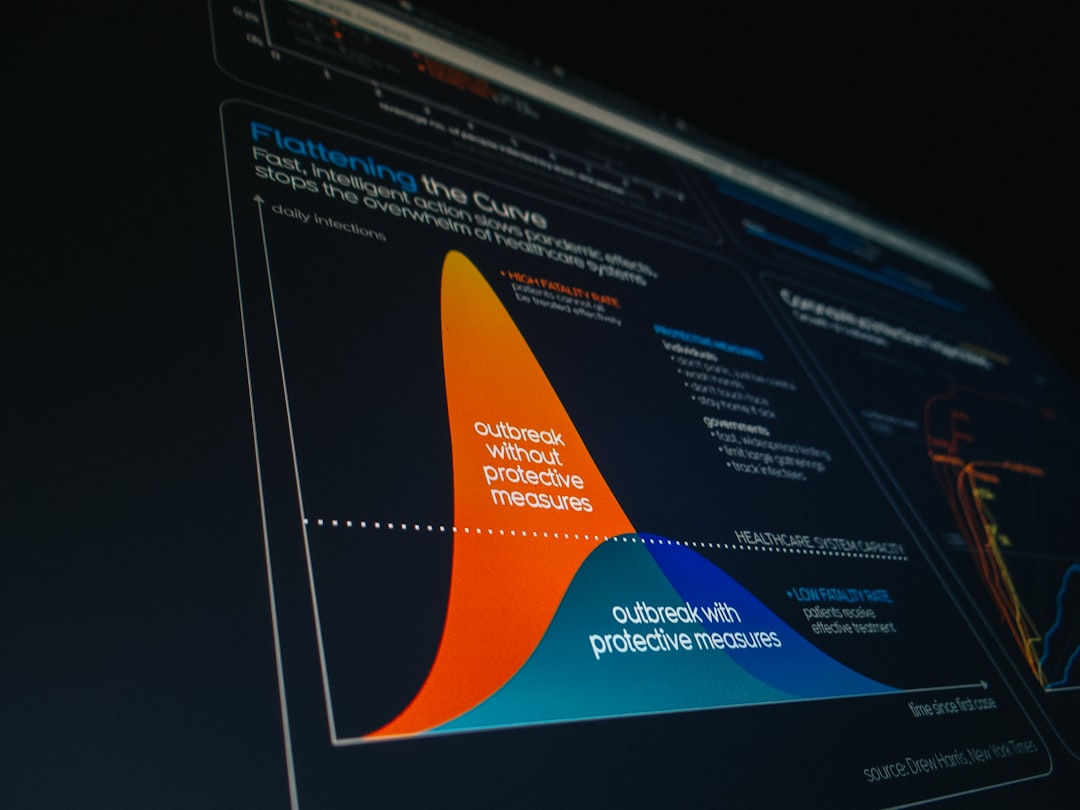
One of the most debated issues surrounding SearchGPT is traffic redistribution. If answers are generated within the platform, fewer users may click through to individual websites. This phenomenon, sometimes referred to as “zero-click search evolution,” raises legitimate concerns for publishers whose revenue depends on page views.
However, experts caution against assuming uniform decline. Instead, traffic patterns may shift:
- Informational queries: Likely to see reduced click-through rates.
- Transactional queries: May retain strong traffic due to purchase intent.
- Complex research topics: Could drive highly qualified traffic when deeper exploration is required.
In this new paradigm, quality may outweigh quantity. Being cited as a trusted authority in AI-generated responses can strengthen brand recognition and influence purchasing decisions, even if direct traffic decreases.
Evolving SEO Strategies for AI-Driven Search
SEO experts recommend moving beyond purely technical optimization and embracing a multi-dimensional strategy. Key recommendations include:
Build Topical Authority
- Create in-depth content clusters around core subjects.
- Develop pillar pages supported by related detailed articles.
- Maintain factual accuracy with updated data and citations.
Optimize for Semantic Relevance
- Address user intent directly.
- Include related questions and contextual subtopics.
- Write naturally, prioritizing clarity over mechanical repetition.
Strengthen Brand Signals
- Enhance author biographies and credentials.
- Earn authoritative backlinks through research and thought leadership.
- Maintain consistent presence across reputable platforms.
Leverage Structured Data
- Implement schema for FAQs, articles, products, and reviews.
- Ensure site architecture is crawlable and logically organized.
- Use clear headings and concise summaries.
These strategies align content creation with how AI models interpret and prioritize information.
Ethical and Competitive Considerations
The integration of AI-generated search raises complex ethical and competitive questions. Publishers have expressed concern about content usage, attribution, and compensation. If AI systems summarize website content directly, the boundaries between fair use and content extraction require careful governance.
SEO experts argue that transparency in citation practices is essential. Clearly visible source links can preserve value exchange between AI platforms and content creators. In addition, regulatory frameworks may eventually shape how AI search systems compensate original publishers.
From a competitive standpoint, smaller businesses may face both risks and opportunities. While established brands benefit from existing authority signals, niche experts can gain visibility if their specialized content aligns precisely with user intent and quality standards.

SearchGPT and the Future of Content Marketing
Content marketing is entering an era where discoverability hinges on credibility and utility. AI-driven platforms reward depth, coherence, and accuracy. Superficial or repetitive content designed solely to manipulate ranking algorithms will likely diminish in effectiveness.
Experts advise focusing on:
- Original research and data-driven insights.
- Expert commentary and professional analysis.
- Comprehensive guides that anticipate follow-up questions.
In many ways, SearchGPT pushes content strategies toward higher standards. It encourages creators to think like educators and analysts rather than keyword tacticians.
Will Traditional SEO Disappear?
The prevailing expert view is clear: traditional SEO will not disappear, but its emphasis will shift. Technical fundamentals—crawlability, site speed, mobile optimization—remain essential. Backlinks continue to signal trust and relevance. However, mechanical optimization divorced from content value is increasingly ineffective.
SearchGPT amplifies a broader trend already underway: search engines prioritizing user satisfaction and contextual intelligence. The difference now lies in presentation. When answers are delivered directly, competition revolves around authority and inclusion rather than ranking position alone.
Marketers who adapt early—by strengthening expertise signals and producing high-quality, semantically rich content—are likely to benefit from AI-powered visibility.
Conclusion
OpenAI’s SearchGPT represents a structural turning point in how information is retrieved and distributed online. By merging conversational AI with sourced web data, it challenges long-standing assumptions about traffic acquisition and digital prominence. Expert SEO perspectives indicate that success in this environment demands deeper authority, improved structure, and authentic value creation.
For organizations willing to evolve, the opportunity is substantial. AI-powered search may reduce reliance on traditional ranking battles and instead reward those who genuinely inform, educate, and lead within their industries. In a world where AI increasingly mediates discovery, trust is emerging as the ultimate optimization strategy.