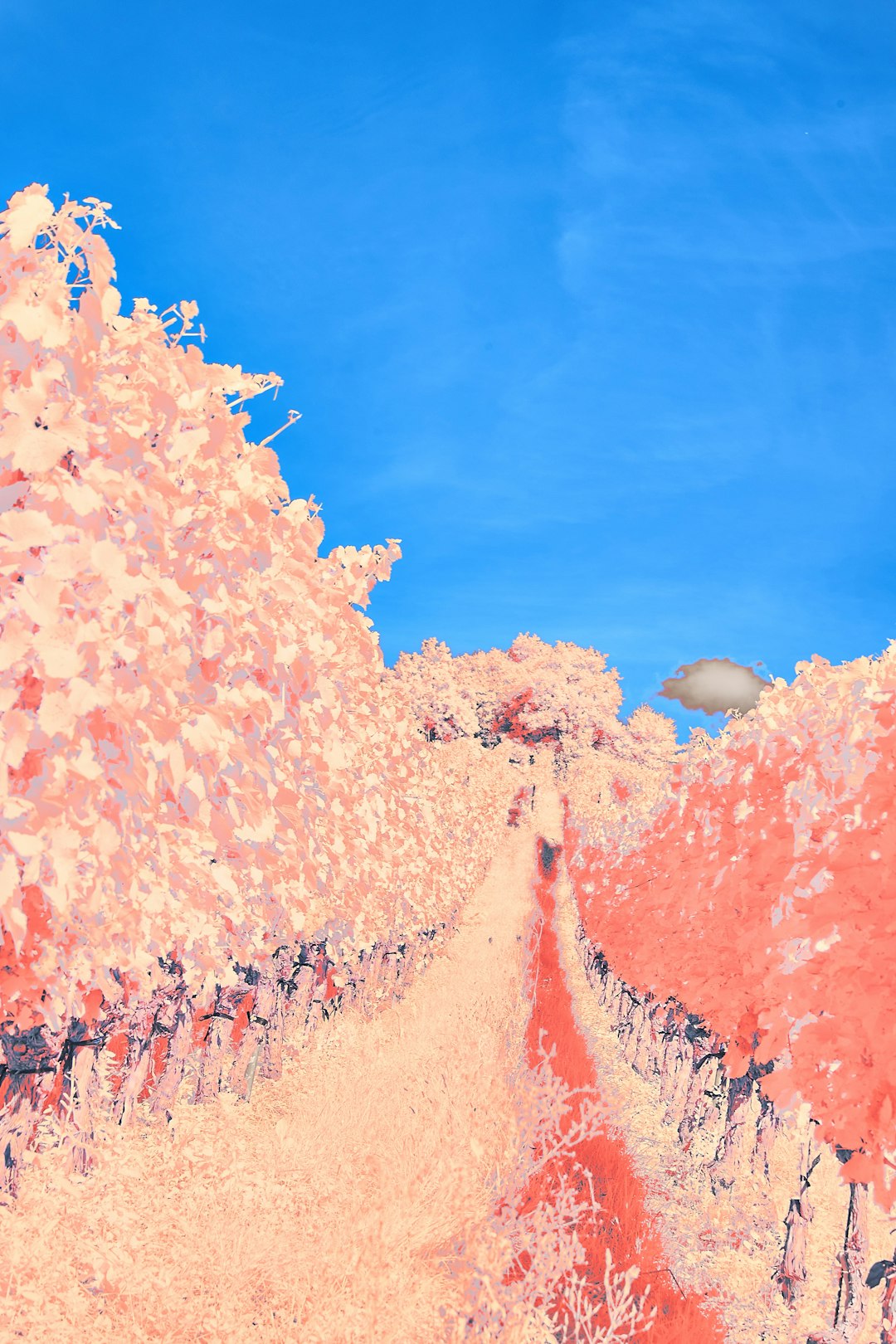
In recent years, digital creativity has expanded beyond traditional tools, opening new doors for artists, hobbyists, and curious newcomers alike. Among the most exciting developments is the rise of free AI-powered photo editors that can transform ordinary images into dreamy illustrations inspired by the beloved Studio Ghibli aesthetic. These tools combine accessibility with advanced technology, allowing anyone to explore imaginative storytelling through visual art without requiring professional training.
TLDR: This article explores how free AI Ghibli-style photo editors are helping users unlock creativity through simple online tools. It explains how these editors work, why the Ghibli aesthetic is so appealing, and who can benefit from using them. Readers will also learn about ethical considerations, creative tips, and common questions surrounding AI-generated art.
Understanding the Appeal of the Ghibli Style
The Ghibli style is widely recognized for its soft color palettes, whimsical landscapes, and emotionally rich characters. Inspired by hand-drawn animation techniques, it often evokes nostalgia, wonder, and a deep connection to nature. What makes this style particularly attractive is its ability to transform everyday scenes into something magical and storybook-like.
When applied to personal photos, the aesthetic invites viewers to imagine narratives behind the image. A simple street scene can look like a moment from an animated journey, while a portrait can feel like a character introduction in a fantasy world.
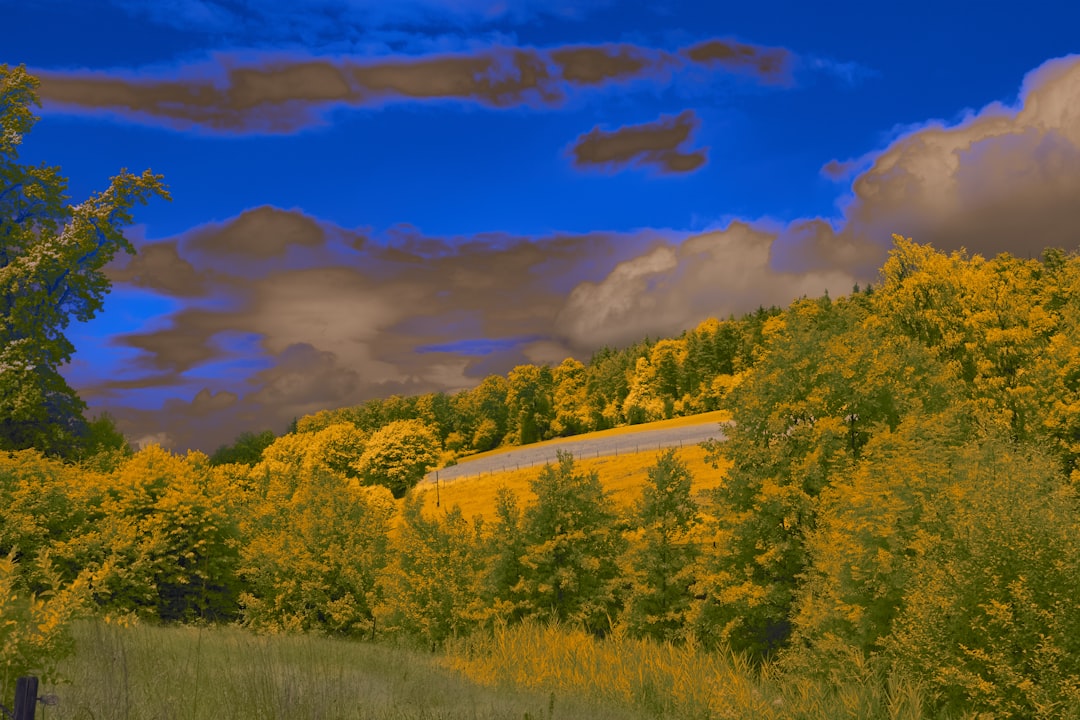
How Free AI Ghibli Style Photo Editors Work
At the heart of these tools is artificial intelligence trained on large datasets of artistic imagery. Using machine learning models, the editor analyzes the uploaded photo, recognizing elements like lighting, composition, and depth. It then applies stylistic transformations that resemble hand-painted animation.
Most free online AI editors follow a similar workflow:
- Users upload a photo directly through a browser.
- The AI processes the image using a pre-trained style model.
- The transformed image is generated within seconds or minutes.
- The final result can be downloaded or shared.
This simplicity is a major reason behind their popularity. There is no need to install heavy software or understand complex editing tools.
Creativity Without Barriers
One of the most powerful aspects of free AI photo editors is how they lower the entry barrier to creative expression. In the past, achieving a painterly or animated look required advanced illustration skills or expensive software. Now, anyone with an internet connection can experiment.
The tools encourage playful exploration. Users can test different images, lighting conditions, and compositions to see how the AI interprets them. This sense of experimentation often sparks new ideas and inspires learners to further explore digital art.
For students, content creators, and casual users, the process becomes less about technical mastery and more about imagination.
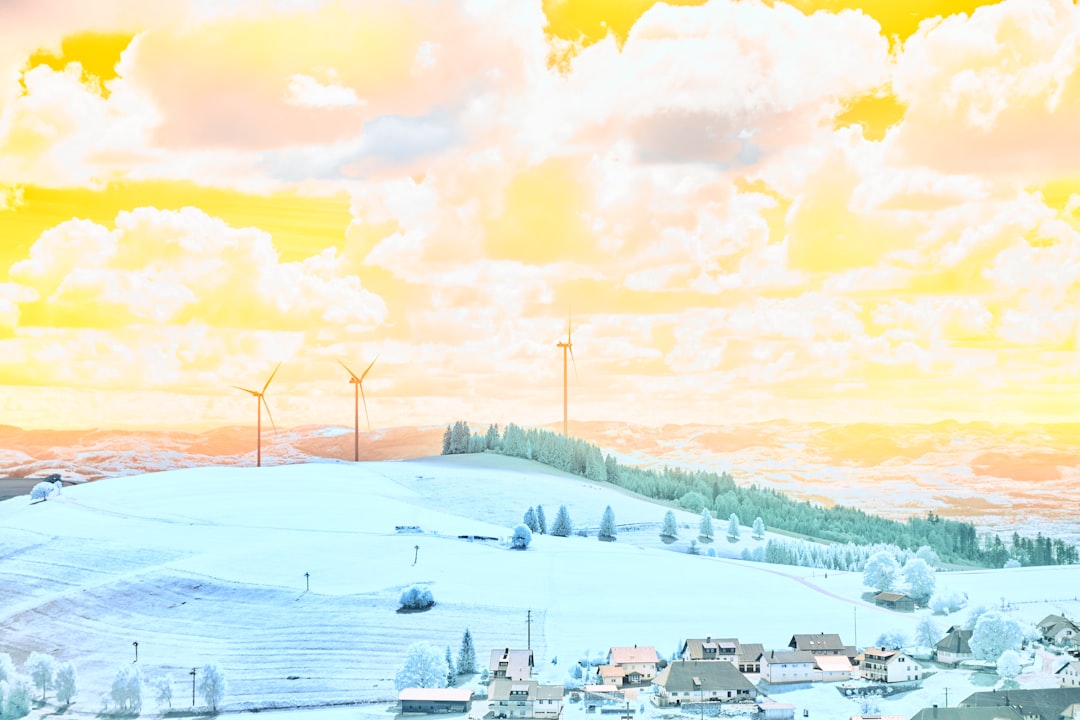
Who Can Benefit from These Tools
While artists are an obvious audience, the reach of AI Ghibli-style editors extends much further. Various groups find value in these platforms:
- Photographers looking to reinterpret their work in a new artistic style.
- Writers and storytellers who want visual inspiration for characters or settings.
- Social media users aiming to create visually unique profile images.
- Educators introducing creative AI concepts in classrooms.
Each group uses the technology differently, but all benefit from its accessibility and visual impact.
The Role of AI in Modern Artistic Expression
AI-generated art often raises questions about originality, but it is increasingly seen as a collaborative tool rather than a replacement for human creativity. The AI does not invent ideas independently; it responds to human input and choices.
In the case of Ghibli-style editors, the user selects the source image, framing, and context. The AI simply translates that vision into a specific visual language. This collaboration can even help users better understand artistic principles such as color harmony and composition.
By observing how AI modifies an image, users may begin to apply similar concepts in their own manual artwork.
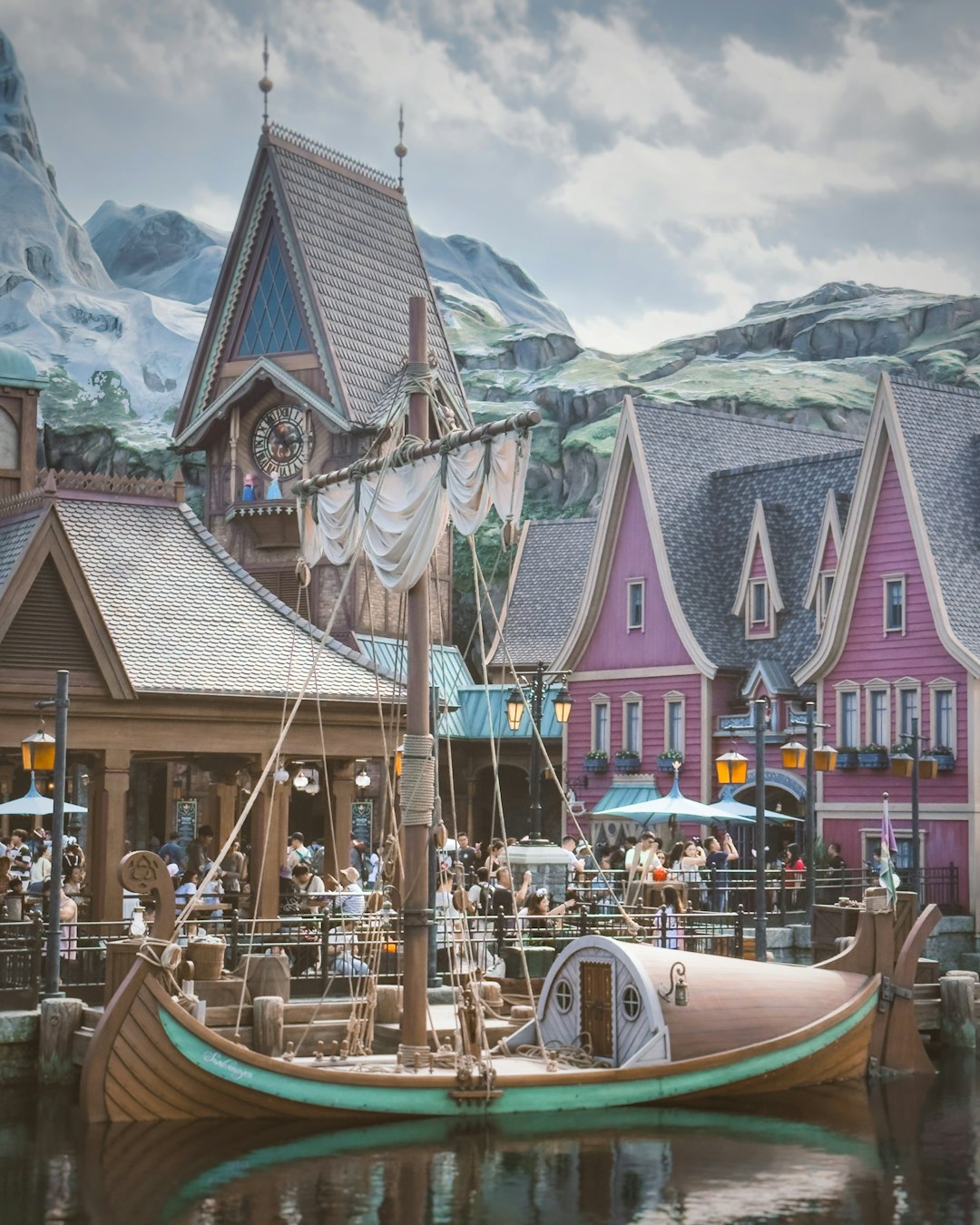
Ethical and Practical Considerations
As with any AI-driven tool, there are ethical aspects to consider. Users should be aware of how their images are stored and processed. Reputable platforms typically outline data usage policies and respect user privacy.
Another concern involves artistic credit. While the “Ghibli style” is an inspiration, it is important to recognize and respect the original artists and studios behind it. Many platforms deliberately describe their filters as inspired by rather than exact replicas.
Practical limitations also exist. Free tools may apply watermarks, limit resolution, or restrict the number of edits per day. However, for casual creative exploration, these constraints are often acceptable.
Tips for Getting the Best Results
Although AI does much of the work, thoughtful preparation can improve results. Users often achieve better outcomes by following a few simple guidelines:
- Choose clear, well-lit photos with minimal blur.
- Avoid overcrowded backgrounds for more painterly results.
- Experiment with outdoor scenes, which suit the Ghibli aesthetic well.
- Try multiple images to understand how the AI responds.
Through experimentation, users develop an intuitive sense of what works best with the tool.
The Future of AI Style Editors
The popularity of free AI Ghibli-style photo editors suggests a broader trend toward democratized creativity. As models improve, users can expect more control over details such as color intensity, brush texture, and emotional tone.
Future iterations may also integrate animation features, allowing still images to subtly move or loop. This evolution will further blur the line between traditional art forms and AI-assisted creativity.
Ultimately, these tools point toward a future where creative expression is less limited by skill level and more guided by imagination.
Frequently Asked Questions
-
Are free AI Ghibli-style photo editors really free?
Many platforms offer free basic features, though advanced options or higher resolutions may require payment. -
Do users need artistic experience to use these tools?
No artistic background is required. The tools are designed to be user-friendly and intuitive. -
Can the generated images be used on social media?
In most cases, yes, but users should review each platform’s terms of use before sharing. -
Is it ethical to use a Ghibli-inspired style?
Using an inspired aesthetic is generally acceptable when done respectfully and without claiming originality over the source style. -
Will AI replace traditional artists?
AI is best seen as a supportive tool that enhances creativity rather than replacing human artistry.