
Data is power. But raw data can be messy, slow, and hard to collect. That’s where DataForSEO comes in. It gives developers and marketers access to real-time search engine data through easy-to-use APIs. Think of it as a data engine that runs behind your favorite SEO tools, dashboards, and marketing platforms.
TL;DR: DataForSEO helps developers and marketers collect search engine data at scale using APIs. You can track rankings, research keywords, analyze competitors, and monitor SERPs automatically. Developers love it for flexibility. Marketers love it for insights. It saves time, reduces manual work, and powers smarter decisions.
Let’s break it down in a fun and simple way.
What Is DataForSEO?
DataForSEO is a set of APIs. These APIs collect data from search engines like Google and Bing. They return structured data that software and tools can use.
Instead of scraping search engines yourself, you send a request to DataForSEO. It sends back clean, organized data. Easy.
It offers data for:
- Keyword research
- Rank tracking
- SERP analysis
- Backlink data
- Content analysis
- PPC insights
This makes it useful for both technical teams and marketing teams.

Why Developers Love DataForSEO
Developers care about three things: flexibility, reliability, and scalability.
DataForSEO delivers on all three.
1. Easy Integration
The APIs use REST. That means you can connect using almost any programming language.
- Python
- PHP
- Node.js
- Ruby
- and more
You send a POST request. You get JSON back. Simple.
2. Scalable Data Collection
Need 10 keyword checks? No problem.
Need 100,000 keyword checks? Still no problem.
DataForSEO uses a task-based system. You send tasks in bulk. The system processes them. You pull results when they’re ready.
This async setup is perfect for large applications.
3. Cost Control
You only pay for what you use.
That’s perfect for startups and SaaS teams. You can start small. Then grow.
4. Custom SEO Tools
Want to build your own SEO dashboard? Go ahead.
Many SEO platforms actually run on DataForSEO in the background. Developers use it to:
- Build internal reporting tools
- Create rank tracking apps
- Power keyword research platforms
- Automate competitor analysis
It’s like getting the engine without building the car from scratch.
Why Marketers Love DataForSEO
Marketers don’t always care about APIs.
They care about results.
DataForSEO makes it easier to answer big marketing questions.
1. Better Keyword Research
Want to know:
- How many people search for a keyword?
- How competitive it is?
- What CPC looks like?
- What related keywords exist?
DataForSEO provides all of that.
Marketers can build smart keyword lists fast. No guesswork.
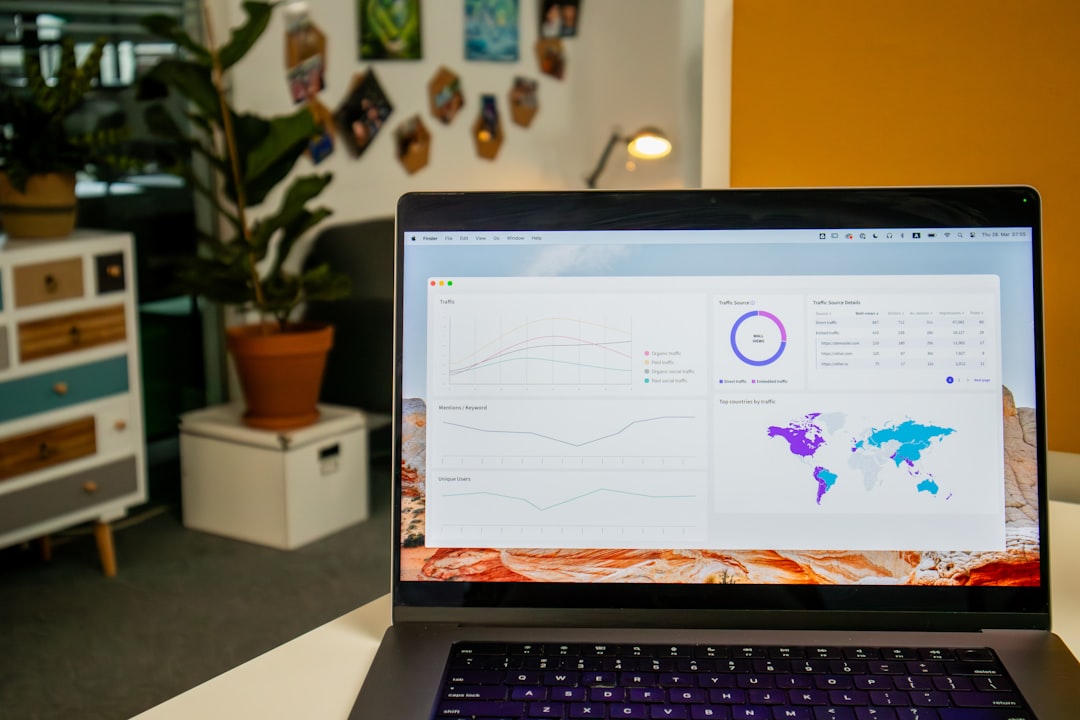
2. Accurate Rank Tracking
Rank tracking is crucial.
If you don’t measure, you don’t improve.
With DataForSEO, you can monitor:
- Keyword positions by country
- City-level rankings
- Mobile vs desktop results
- Featured snippets and special SERP features
This helps marketing teams see what’s working. And what’s not.
3. Competitor Insights
Want to spy on competitors (the legal way)?
You can analyze:
- Their ranking keywords
- Their ad copies
- Their backlinks
- Their top pages
This data fuels smarter strategy.
4. SERP Feature Monitoring
Search results are no longer just blue links.
There are:
- Featured snippets
- People Also Ask boxes
- Local packs
- Shopping results
- Images and videos
DataForSEO lets you detect these features. This helps marketers optimize content specifically for them.
Top Use Cases You Should Know
Let’s combine developer power with marketing goals.
Here are real-world use cases.
1. Building a Rank Tracking SaaS
You’re a startup.
You want to launch a rank tracking tool.
Instead of building scraping infrastructure, handling proxies, and avoiding blocks, you integrate DataForSEO.
You focus on:
- User interface
- Data visualization
- Customer onboarding
DataForSEO handles the data collection.
That’s months of development saved.
2. Automating SEO Reports
Agencies spend hours building reports.
What if it was automatic?
With DataForSEO, you can pull:
- Keyword rankings
- SERP data
- Search volume metrics
- Competitor comparisons
Then plug it into a white-label dashboard.
Clients get fresh data. Every week. Or every day.
3. Content Gap Analysis
Content teams often ask:
“What are we missing?”
Using keyword and SERP APIs, you can:
- Compare your domain to competitors
- Find keywords they rank for
- Identify gaps in your content
This leads to smarter blog posts and landing pages.

4. Local SEO Monitoring
Local businesses need local data.
DataForSEO supports location-specific queries.
You can track rankings at the city or ZIP level.
This is perfect for:
- Restaurants
- Law firms
- Dentists
- Real estate agencies
Hyper-local data. Real advantage.
5. PPC Campaign Research
Running ads? You need insight.
With PPC and ads data APIs, you can:
- Analyze competitor ad copy
- See keyword-level CPC data
- Estimate traffic potential
- Explore ad placements
This improves ad targeting and ROI.
How DataForSEO Fits Into Modern Tech Stacks
DataForSEO works great with modern tools.
For developers:
- Connect it to a backend (Node, Django, Laravel)
- Store results in a database
- Display in React or Vue dashboards
- Trigger tasks via cron jobs
For marketers:
- Integrate with BI tools
- Feed into Google Data Studio alternatives
- Combine with CRM data
- Automate internal reports
This flexibility is a big selling point.
Things to Keep in Mind
Before jumping in, consider a few things:
- Understand API limits. Plan for volume.
- Optimize requests. Batch tasks when possible.
- Store data smartly. Avoid duplicate queries.
- Test small first. Then scale.
Good planning saves money.
The Big Picture
SEO is data-heavy.
Manual research does not scale.
DataForSEO gives teams direct access to structured search engine data.
Developers use it to build apps.
Marketers use it to make smarter decisions.
Together, they create better digital strategies.
And the best part?
You don’t need to build complex scraping systems. You don’t need huge infrastructure. You just need smart integration.
In a world where search visibility means business growth, tools like DataForSEO are not just useful. They are strategic.
If you build digital products, run campaigns, manage clients, or analyze markets, understanding DataForSEO is a serious advantage.
Data drives decisions.
And DataForSEO helps you collect it the smart way.