
Digital identity is becoming one of the most critical components of the modern digital economy. As cybercrime rises and privacy regulations tighten, businesses and governments are searching for more secure and user-centric methods of verifying identity. Blockchain technology has emerged as a promising solution, offering decentralized, tamper-resistant, and transparent systems for identity verification. Numerous blockchain identity verification platforms now compete in this rapidly growing market, each with unique architectures, governance models, and use cases.
TLDR: Blockchain identity verification solutions use decentralized ledgers to give individuals control over their digital identities while increasing security and reducing fraud. Leading platforms vary in design, ranging from self-sovereign identity networks to enterprise-focused permissioned systems. Key comparison factors include decentralization, interoperability, compliance support, scalability, and user experience. Choosing the right solution depends on industry needs, regulatory requirements, and technical infrastructure.
Why Blockchain for Identity Verification?
Traditional identity systems rely on centralized databases controlled by governments, corporations, or third-party service providers. These systems are vulnerable to data breaches, identity theft, and mismanagement. In contrast, blockchain-based identity systems use distributed ledger technology (DLT) to store proofs of identity in a secure and immutable format.
Key characteristics of blockchain identity systems include:
- Decentralization: No single authority controls identity data.
- Immutability: Records cannot be altered once verified.
- User sovereignty: Individuals manage their own credentials.
- Cryptographic verification: Data authenticity is mathematically provable.
- Enhanced privacy: Selective disclosure mechanisms limit data exposure.
These features address major pain points in traditional Know Your Customer (KYC) and Anti-Money Laundering (AML) processes.
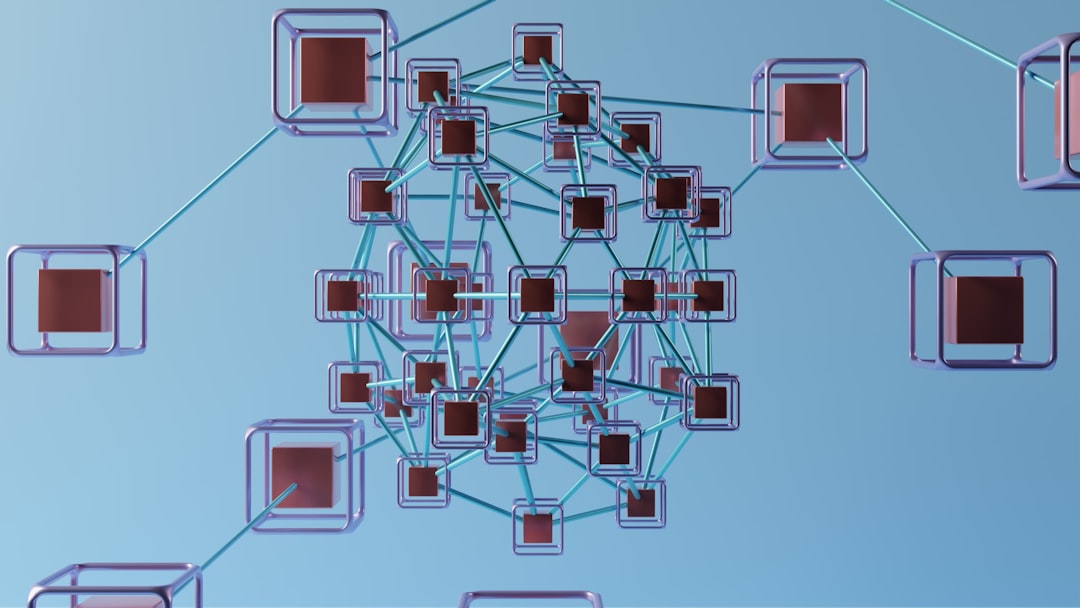
Major Categories of Blockchain Identity Solutions
Blockchain identity verification platforms generally fall into three broad categories:
- Public self-sovereign identity (SSI) networks
- Permissioned enterprise consortium blockchains
- Hybrid models combining public and private chains
Each category has distinct strengths and trade-offs in scalability, governance, and compliance adaptability.
Leading Blockchain Identity Solutions Compared
1. Sovrin
Sovrin is one of the earliest and most recognized self-sovereign identity networks. Built on Hyperledger Indy, it is designed specifically for decentralized identity management.
Strengths:
- Purpose-built SSI infrastructure
- Decentralized governance framework
- Strong alignment with W3C DID standards
Weaknesses:
- Complex governance structure
- Limited mainstream enterprise adoption compared to corporate-backed systems
Sovrin is particularly suitable for governments and organizations seeking true decentralization and user-controlled identity.
2. Microsoft Entra Verified ID
Microsoft has integrated decentralized identity principles into its enterprise identity ecosystem through Entra Verified ID. It supports verifiable credentials anchored on public blockchains like Ethereum.
Strengths:
- Enterprise-grade integration
- Compatibility with Azure Active Directory
- Strong compliance and audit support
Weaknesses:
- Not fully decentralized due to corporate ecosystem reliance
- May favor Microsoft infrastructure users
This solution appeals to enterprises that prioritize regulatory compliance, integration, and scalability over full decentralization.
3. Civic
Civic focuses heavily on identity verification for crypto exchanges and fintech platforms. It combines blockchain anchoring with off-chain storage of biometric and personal data.
Strengths:
- User-friendly mobile experience
- Designed specifically for regulatory KYC environments
- Token-based incentive model
Weaknesses:
- More centralized architectural elements
- Primarily fintech-focused use cases
Civic is often chosen by blockchain-native companies operating in regulated digital asset markets.
4. uPort (Now part of ConsenSys ecosystem)
uPort pioneered Ethereum-based decentralized identity systems. It uses decentralized identifiers (DIDs) and smart contracts for credential verification.
Strengths:
- Built directly on Ethereum public blockchain
- Strong open standards alignment
- Developer-friendly tools
Weaknesses:
- Dependence on Ethereum network fees
- Scalability limitations during congestion
uPort is ideal for Web3 applications requiring on-chain interoperability.
5. IBM Digital Identity (Hyperledger Fabric)
IBM leverages Hyperledger Fabric, a permissioned blockchain framework, to provide enterprise-focused digital identity solutions.
Strengths:
- High scalability and transaction throughput
- Permissioned network control
- Strong enterprise governance models
Weaknesses:
- Less decentralized compared to public networks
- Higher infrastructure complexity
IBM’s approach is particularly suitable for banking consortia, healthcare networks, and supply chain ecosystems where trust is managed among known participants.
Key Comparison Criteria
When evaluating blockchain identity verification platforms, organizations must consider multiple dimensions.
1. Decentralization Level
Self-sovereign systems offer maximum user control, while enterprise solutions may sacrifice decentralization for performance and governance clarity.
2. Interoperability
Solutions adhering to W3C DID and Verifiable Credentials (VC) standards are more likely to integrate across platforms and jurisdictions.
3. Scalability
Public blockchains can face congestion and high transaction fees. Permissioned systems often provide better performance but at the cost of openness.
4. Privacy and Selective Disclosure
Advanced protocols like zero-knowledge proofs (ZKP) allow users to verify attributes (such as age or citizenship) without revealing full personal data.
5. Regulatory Compliance
Enterprise-focused solutions often provide built-in compliance frameworks for GDPR, HIPAA, or AML regulations, which can significantly ease adoption.
6. User Experience
If identity management requires complex wallet setups or private key management, adoption may suffer. Platforms offering streamlined mobile interfaces typically gain broader traction.

Industry-Specific Applications
Different industries prioritize different features in blockchain identity verification.
- Financial Services: Focus on KYC automation, AML compliance, and fraud reduction.
- Healthcare: Secure patient record sharing and practitioner credential validation.
- Government: Digital citizen IDs, border control, and voting systems.
- Education: Verifiable diplomas and academic credential verification.
- Web3 & Crypto: Wallet-linked identity and decentralized application access.
No single platform dominates across all these sectors, which explains the diversity of approaches in the market.
Advantages of Blockchain Identity Solutions
- Reduced identity fraud: Immutable verification prevents document tampering.
- Streamlined onboarding: Reusable credentials eliminate repetitive KYC checks.
- Improved data ownership: Individuals control who accesses their information.
- Lower operational costs: Automation reduces manual verification processes.
Challenges and Limitations
Despite significant potential, blockchain identity systems face persistent hurdles:
- Standardization gaps: Not all systems are interoperable.
- Key management risks: Lost private keys may mean lost access.
- Regulatory uncertainty: Laws vary across jurisdictions.
- Public perception: Association with cryptocurrency volatility can deter adoption.
Furthermore, full decentralization may conflict with legal requirements for data localization or government oversight.
The Future Outlook
Blockchain identity verification is steadily transitioning from experimental pilots to production-scale deployments. Governments in Europe and Asia are exploring decentralized digital identity frameworks aligned with global standards. At the same time, enterprise technology providers are embedding verifiable credentials into mainstream platforms.
In the coming years, hybrid models may dominate—combining the trustless verification of public blockchains with the scalability and governance controls of permissioned networks. The success of these systems will largely depend on global interoperability and user-friendly design.
Frequently Asked Questions (FAQ)
1. What is blockchain identity verification?
Blockchain identity verification uses distributed ledger technology to securely issue, store, and verify digital identity credentials without relying on a central authority.
2. How is it different from traditional identity systems?
Traditional systems store personal data in centralized databases. Blockchain systems distribute verification proofs across multiple nodes, reducing single points of failure and enabling user control.
3. Are blockchain identity systems completely anonymous?
No. Most systems enable selective disclosure, allowing users to prove specific information without revealing unnecessary personal data, but they are not inherently anonymous.
4. Which industries benefit most from blockchain identity solutions?
Financial services, healthcare, government services, education, and Web3 applications currently benefit the most from decentralized identity technologies.
5. What are the risks of using blockchain for identity verification?
Challenges include private key loss, evolving regulations, interoperability limitations, and potential scalability issues on public networks.
6. Is blockchain identity widely adopted today?
Adoption is growing rapidly but remains in early to mid-stage development. Enterprise pilots and government initiatives are expanding globally.
7. How should organizations choose the right solution?
They should assess decentralization needs, regulatory compliance requirements, technical infrastructure, scalability expectations, and user experience priorities before implementation.