
The healthcare technology sector continues to evolve rapidly as artificial intelligence, data interoperability, remote care, and precision medicine reshape how care is delivered and managed. By 2026, healthcare systems across the globe are expected to rely heavily on digital platforms that improve outcomes while controlling costs. Investors, clinicians, and policymakers are therefore paying close attention to the companies building the infrastructure behind this transformation.
TLDR: Healthcare technology in 2026 will be driven by companies combining artificial intelligence, large scale data platforms, and clinically validated tools. Market leaders are focusing on interoperability, early diagnosis, and personalized care rather than standalone devices. Firms that integrate deeply into clinical workflows and demonstrate measurable outcomes are best positioned for long term growth. The companies below represent the most credible and influential players to watch.
Why Healthcare Technology Matters More Than Ever
Rising healthcare costs, aging populations, and ongoing workforce shortages are placing unprecedented strain on health systems. Technology is no longer optional; it is foundational. From AI supported diagnostics to cloud based electronic health records, modern healthcare increasingly depends on reliable and secure digital solutions.
What distinguishes the most promising healthcare tech companies in 2026 is not novelty, but clinical credibility. Regulators, hospital systems, and insurers now demand rigorous validation, regulatory clearance, and real world evidence. The companies highlighted below have demonstrated staying power and are actively shaping the future of care delivery.
Epic Systems
Epic Systems remains one of the most influential health technology companies in the world. Its electronic health record platform is deeply embedded in hospitals and health systems across North America and is expanding internationally.
By 2026, Epic’s importance lies in its focus on interoperability, patient access, and AI assisted clinical decision support. The company’s investment in predictive analytics and patient engagement tools positions it as a central nervous system for modern healthcare.
- Market leader in electronic health records
- Strong focus on data standardization and interoperability
- Increasing integration of AI driven insights

Oracle Health
Following its acquisition of Cerner, Oracle Health has emerged as a major force in healthcare data infrastructure. Oracle’s strategy centers on migrating fragmented health data into secure, scalable cloud environments that can support analytics and population health management.
In 2026, Oracle Health is expected to benefit from health systems seeking enterprise level solutions backed by robust cybersecurity and compliance frameworks. Its strength lies in handling complex, large scale data while enabling advanced analytics.
- Enterprise focused healthcare cloud solutions
- Strong data security and compliance capabilities
- Expanding analytics and AI offerings
Tempus
Tempus operates at the intersection of artificial intelligence and precision medicine. The company aggregates clinical and molecular data to support personalized cancer treatment and research.
Tempus stands out for its emphasis on data quality and clinical relevance. Rather than positioning itself as a generic AI provider, the company collaborates closely with healthcare providers and researchers, giving it credibility in regulated clinical environments.
- AI driven precision medicine platform
- Strong focus on oncology and complex diseases
- Deep integration with clinical research
Siemens Healthineers
Siemens Healthineers continues to be a global leader in medical imaging and diagnostics. In recent years, the company has increasingly embedded AI into its imaging, laboratory, and workflow solutions.
By 2026, Siemens Healthineers is expected to strengthen its position by offering end to end diagnostic ecosystems rather than standalone equipment. Its scale, regulatory expertise, and installed base make it a dependable innovator.

- Advanced imaging and diagnostic platforms
- AI enhanced clinical workflows
- Strong global presence and regulatory expertise
Philips Healthcare
Philips Healthcare has repositioned itself as a health technology company with a strong emphasis on connected care. Its solutions span patient monitoring, imaging, and home based healthcare.
The company’s strategy for 2026 emphasizes continuity of care, allowing patient data to move seamlessly from hospital to home environments. This approach aligns well with broader trends toward remote monitoring and chronic disease management.
- Connected care and remote monitoring solutions
- Integrated hardware and software platforms
- Strong focus on patient centric design
Microsoft and Nuance
Microsoft’s acquisition of Nuance has significantly strengthened its position in healthcare technology. Nuance’s speech recognition and ambient clinical documentation tools are already widely adopted by clinicians.
In 2026, Microsoft’s healthcare offerings benefit from its secure cloud infrastructure and responsible AI framework. The company is particularly influential in reducing clinician burnout and improving documentation accuracy.
- Ambient clinical documentation technology
- Secure healthcare cloud infrastructure
- Focus on clinician productivity and workflow efficiency
Viz.ai
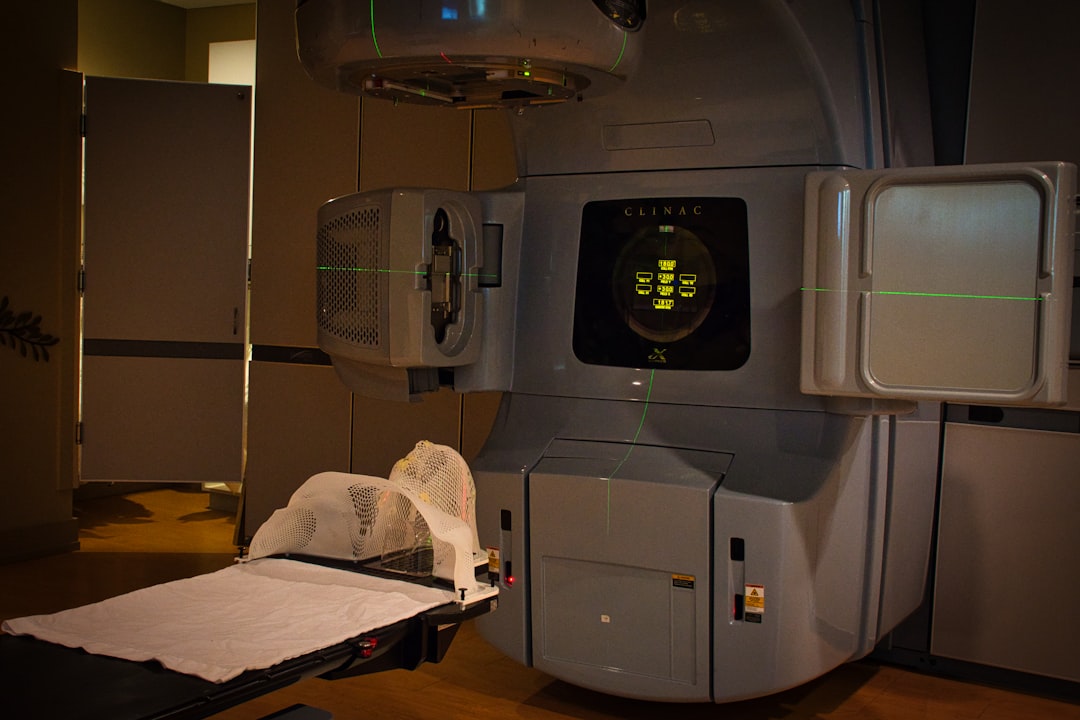
Viz.ai represents a new generation of AI native healthcare companies. Its software uses artificial intelligence to detect and triage time sensitive conditions such as stroke and pulmonary embolism using imaging data.
What makes Viz.ai notable is its strong clinical validation and clear impact on patient outcomes. By 2026, companies with narrow, high impact clinical use cases like this are expected to thrive.
- AI powered imaging analysis
- Focus on emergency and time critical care
- Demonstrated improvements in clinical outcomes
Google Verily
Verily, Google’s life sciences subsidiary, focuses on data driven approaches to health research and care delivery. Its work spans clinical research platforms, wearable health data, and disease management solutions.
While still evolving, Verily is a company to watch in 2026 due to its data science expertise and long term approach. Its emphasis on evidence generation and partnerships distinguishes it from more consumer oriented health products.
- Data driven clinical research platforms
- Wearable based health insights
- Strong analytical and scientific foundation
What to Look for in Healthcare Tech Companies Going Forward
As healthcare technology matures, success in 2026 and beyond will depend on several critical factors:
- Clinical validation and regulatory approval
- Interoperability with existing systems
- Data security and patient privacy protections
- Demonstrable impact on outcomes and efficiency
Healthcare is a conservative industry for good reason. Companies that earn trust through reliability, transparency, and measurable results will define the next phase of innovation.
Final Thoughts
The best healthcare tech companies to watch in 2026 are not chasing hype. They are solving concrete problems at scale, working closely with clinicians, and respecting the complexity of healthcare systems. While innovation will continue to accelerate, credibility and execution will separate lasting leaders from short lived disruptors.
For stakeholders across the healthcare ecosystem, following these companies provides a clear window into where medicine and technology are headed next.