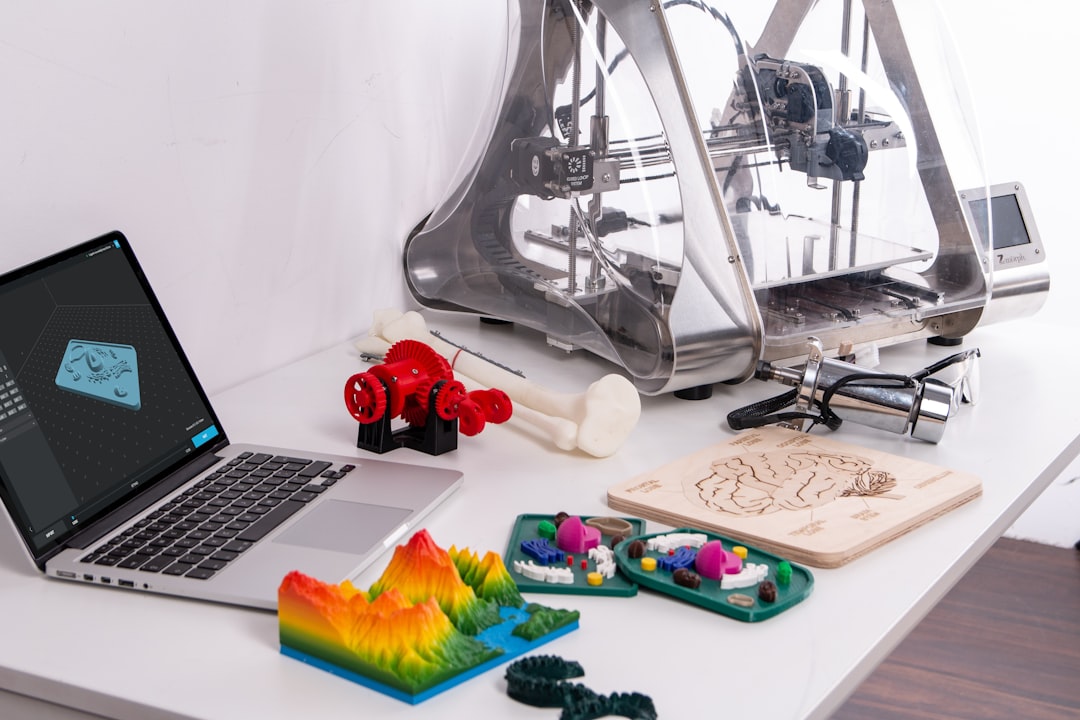
Rapid prototyping has changed the rhythm of product development. Instead of waiting days or weeks for outsourced parts, design teams can now test fit, form, ergonomics, airflow, packaging, and mechanical performance in-house, often within the same working day. The best 3D printer for rapid prototyping is not always the most expensive one; it is the machine that matches your materials, accuracy needs, build volume, workflow, and iteration speed.
TLDR: For most product development teams, the best rapid prototyping setup combines a fast FDM printer for early concept models with a resin or industrial printer for high-detail validation. The Bambu Lab X1 Carbon, Original Prusa MK4S, UltiMaker S7, Formlabs Form 4, and Raise3D Pro3 Plus are among the strongest choices, depending on budget and use case. If you need production-grade engineering parts, consider machines from Markforged, Formlabs Fuse, or Stratasys.
What Makes a 3D Printer Good for Rapid Prototyping?
Rapid prototyping is not simply about printing quickly. A printer must help teams move from idea to tested design with minimal friction. The best machines reduce failed prints, support repeatable dimensions, and integrate well into a design workflow. A beautiful prototype that arrives too late is less valuable than a slightly rougher part that helps engineers make a decision today.
When evaluating 3D printers for product development, focus on these factors:
- Speed: The printer should produce usable models quickly without sacrificing too much accuracy.
- Reliability: A machine that fails often slows the entire development cycle.
- Material compatibility: PLA is useful for concept models, but engineering teams may need ABS, ASA, nylon, polycarbonate, TPU, carbon fiber filled materials, or functional resins.
- Accuracy and surface finish: For parts with tight tolerances, snap fits, threads, seals, or consumer-facing surfaces, precision matters.
- Build volume: Larger printers can produce full-size housings, fixtures, and assemblies without splitting parts.
- Software and workflow: Good slicing software, cloud monitoring, and streamlined setup save hours over time.
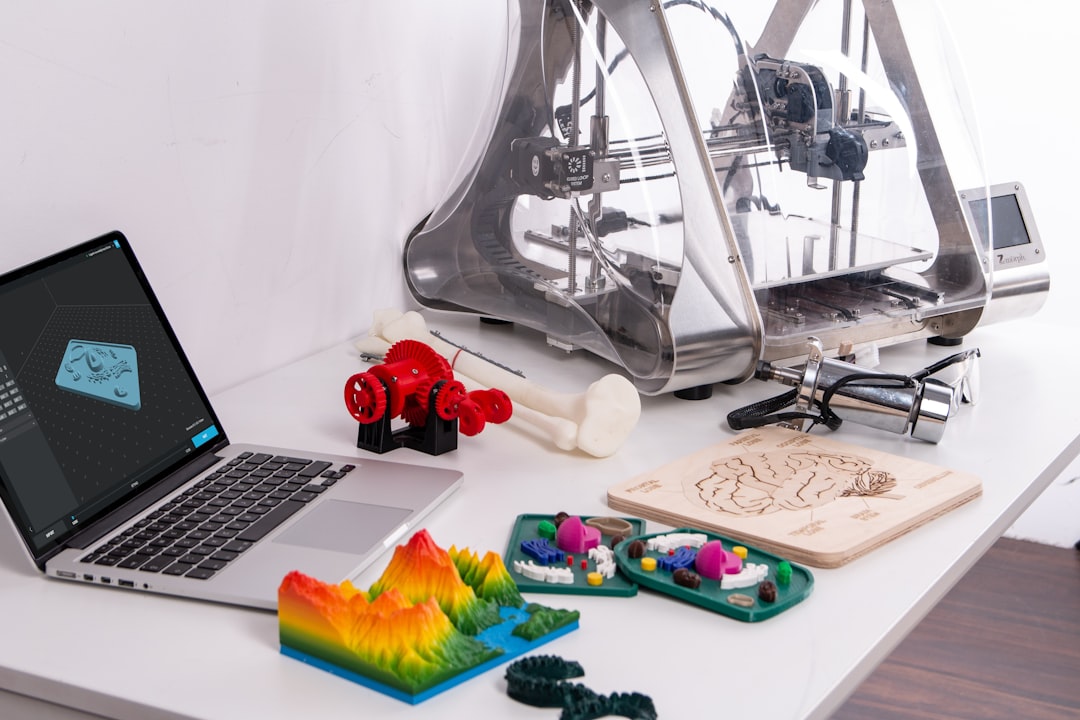
Best Overall Fast Prototyping Printer: Bambu Lab X1 Carbon
The Bambu Lab X1 Carbon has become a favorite among designers, startups, and engineering teams because it combines speed, automation, and strong print quality at a competitive price. It is an enclosed CoreXY FDM printer capable of printing quickly while maintaining impressive detail. For teams that need to iterate on enclosures, brackets, fixtures, ergonomic shapes, and mechanical layouts, it is one of the most efficient options available.
Its strengths include automatic bed leveling, lidar-based calibration, vibration compensation, and a multi-material system for color or support material workflows. The enclosure also makes it more suitable for materials like ABS, ASA, and carbon fiber reinforced filaments than an open-frame printer.
Best for: startups, industrial designers, product teams, and engineers who need fast concept-to-test iteration.
Why it stands out: It delivers excellent speed without feeling like a compromise. In rapid prototyping, the ability to print several design variations overnight can be more valuable than ultra-fine surface finish.
Best Reliable Workhorse: Original Prusa MK4S
The Original Prusa MK4S is ideal for teams that value reliability, serviceability, and consistent results. Prusa machines have a strong reputation in engineering offices, labs, and maker spaces because they are predictable and well supported. The MK4S offers fast printing, automatic first-layer calibration, a refined extruder system, and excellent open-material compatibility.
While it is not as enclosed or as fast out of the box as some CoreXY machines, it is exceptionally dependable. For product development teams that run printers daily, dependability is a major advantage. A printer that simply works becomes part of the engineering process rather than an obstacle.
Best for: engineering teams, universities, labs, and companies that want a proven platform with a strong ecosystem.
Why it stands out: It is easy to maintain, well documented, and suitable for a wide range of prototyping tasks, from early models to functional test parts.
Best Professional Desktop Printer: UltiMaker S7
The UltiMaker S7 is designed for professional environments where repeatability, material profiles, and workflow integration are critical. It is a dual-extrusion FDM printer with an enclosed build chamber, active bed leveling, and excellent software support through UltiMaker Cura and the broader UltiMaker ecosystem.
For product development teams, dual extrusion is especially useful when printing with soluble supports. This allows designers to create complex geometries, internal channels, overhangs, and assemblies that would be difficult or impossible with single-extrusion systems. The S7 is not the cheapest choice, but for organizations that need a dependable office or lab printer, it is a strong contender.
Best for: product design departments, corporate prototyping labs, and teams needing reliable dual-material printing.
Why it stands out: It combines professional hardware, polished software, and material presets that reduce trial and error.
Best Resin Printer for Detailed Prototypes: Formlabs Form 4
When visual quality, fine detail, and smooth surfaces matter, resin printing is often the best option. The Formlabs Form 4 is one of the most compelling choices for product development teams that need high-resolution prototypes, consumer product mockups, medical device models, small mechanical parts, or presentation-ready samples.
Compared with FDM printing, resin printers can produce finer features and smoother surfaces. This is valuable when testing button feel, small clips, cosmetic surfaces, miniature components, and parts that need to closely resemble injection molded products. Formlabs also offers a broad resin ecosystem, including tough, flexible, heat-resistant, rigid, clear, and biocompatible materials.
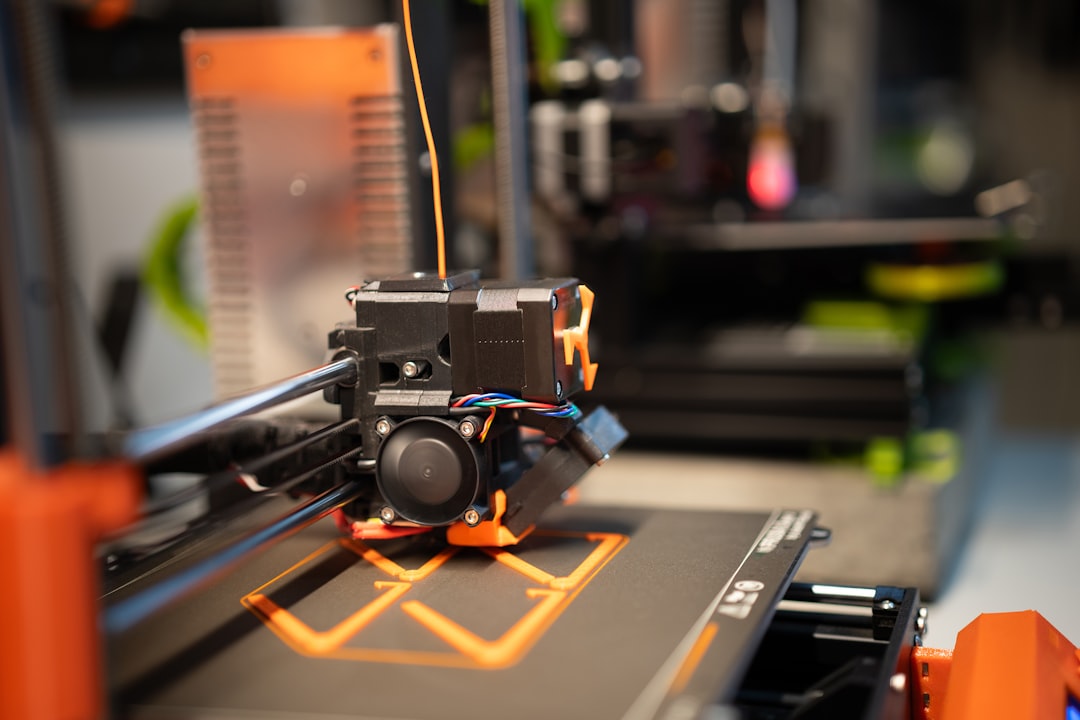
Best for: high-detail models, visual prototypes, small functional components, and presentation prototypes.
Why it stands out: The Form 4 offers professional results without requiring a fully industrial setup, making it practical for design studios and engineering teams.
Best Large Format FDM Printer: Raise3D Pro3 Plus
The Raise3D Pro3 Plus is built for teams that need larger prototypes, full-scale housings, jigs, fixtures, and design validation models. Its large build volume allows engineers to print bigger parts without splitting them into sections, which improves dimensional consistency and reduces assembly time.
It also features a heated build platform, enclosed chamber, dual extrusion, and professional workflow tools. For product developers working on appliances, automotive components, medical equipment housings, electronics enclosures, or manufacturing aids, build volume can be a decisive factor.
Best for: large prototypes, functional fixtures, full-scale models, and multi-part development projects.
Why it stands out: It offers a strong balance of size, capability, and professional usability without moving fully into industrial machine pricing.
Best for Strong Engineering Parts: Markforged X7
If your prototypes need to behave like real mechanical parts, the Markforged X7 deserves attention. It prints with engineering-grade nylon-based materials and can reinforce parts with continuous fibers such as carbon fiber, fiberglass, or Kevlar. This makes it possible to create strong, lightweight prototypes, tooling, brackets, robotic end effectors, and manufacturing fixtures.
For product development, this is important because some prototypes must survive testing rather than simply demonstrate shape. Teams developing drones, robotics, industrial tools, performance equipment, and mechanical assemblies often need parts that can handle stress, vibration, and repeated use.
Best for: functional prototypes, manufacturing tooling, load-bearing parts, and engineering validation.
Why it stands out: It bridges the gap between prototyping and end-use functional parts.
Best SLS Option for Functional Prototyping: Formlabs Fuse 1 Plus 30W
Selective laser sintering, or SLS, is one of the most powerful processes for product development. The Formlabs Fuse 1 Plus 30W allows teams to print strong nylon parts without support structures. This is a major advantage for complex geometries, assemblies, living hinges, lattice structures, and functional components that would be difficult to produce with FDM or resin printing.
SLS parts are especially useful when testing products that require durability, flexibility, and geometric freedom. Because the powder supports the part during printing, designers can pack multiple components into a build and produce small batches efficiently.
Best for: functional nylon prototypes, small batch testing, complex parts, and pre-production validation.
Why it stands out: It gives product teams access to industrial-style prototyping capabilities in a more accessible format.
Quick Comparison of Top Choices
| Printer | Technology | Best Use | Main Advantage |
|---|---|---|---|
| Bambu Lab X1 Carbon | FDM | Fast iteration | Speed and automation |
| Original Prusa MK4S | FDM | Reliable daily prototyping | Consistency and support |
| UltiMaker S7 | FDM | Professional dual extrusion | Workflow and material profiles |
| Formlabs Form 4 | Resin | High-detail prototypes | Surface finish and accuracy |
| Raise3D Pro3 Plus | FDM | Large prototypes | Build volume |
| Markforged X7 | Composite FDM | Strong functional parts | Fiber reinforcement |
| Formlabs Fuse 1 Plus 30W | SLS | Nylon functional parts | No support structures |
How to Choose the Right Printer for Your Development Workflow
The best decision often depends on the stage of development. Early concepts usually benefit from fast, low-cost FDM printing. At this stage, designers need to answer broad questions: Is the size right? Does the handle feel comfortable? Can the components fit inside? A fast FDM machine like the Bambu Lab X1 Carbon or Prusa MK4S is excellent here.
As the product matures, teams often need higher fidelity. If the prototype will be shown to stakeholders, tested with users, photographed, or compared to molded parts, a resin printer like the Formlabs Form 4 can produce a more polished result. For mechanical validation, SLS or composite printing may be the better choice.
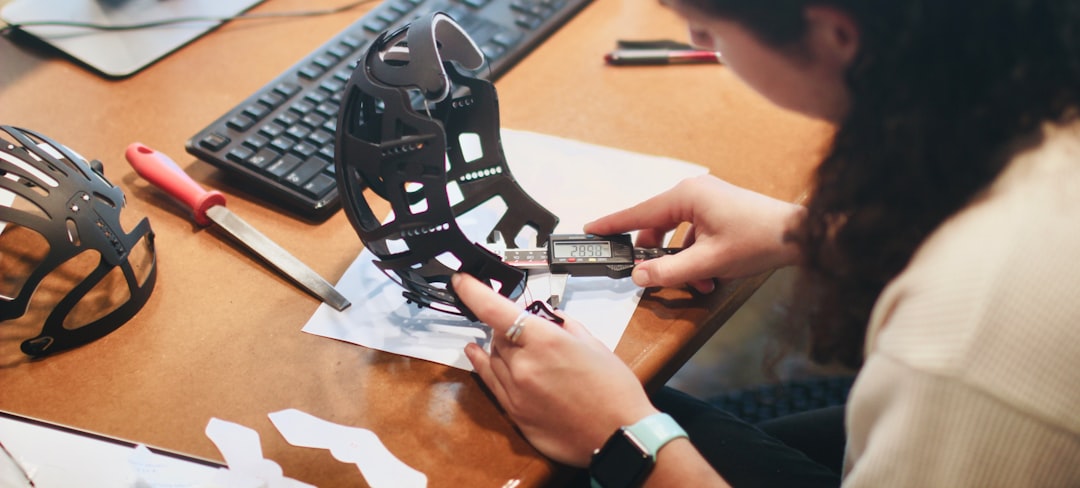
Budget also matters, but cost should be measured against time saved. A printer that reduces outsourcing, shortens design cycles, and helps avoid tooling mistakes can pay for itself quickly. In product development, the most expensive prototype is often the one that reveals a major design flaw too late.
Recommended Setups by Team Type
- Solo designer or small startup: Bambu Lab X1 Carbon or Original Prusa MK4S for fast, affordable iteration.
- Industrial design studio: Formlabs Form 4 plus a reliable FDM printer for both aesthetics and functional mockups.
- Engineering department: UltiMaker S7, Raise3D Pro3 Plus, or Markforged X7 depending on material and strength requirements.
- Hardware company preparing for manufacturing: A combination of FDM, resin, and SLS provides the most complete prototyping workflow.
- Manufacturing floor: Markforged or Raise3D systems are excellent for jigs, fixtures, tooling, and replacement parts.
Final Thoughts
Choosing the best 3D printer for rapid prototyping in product development is really about choosing the right tool for the decisions you need to make. If you need fast shape studies, choose a quick and reliable FDM printer. If you need cosmetic realism, choose resin. If you need durable, complex, production-like parts, consider SLS or composite printing.
For many teams, the smartest solution is not one machine but a small ecosystem. A fast FDM printer can handle daily iterations, a resin printer can create refined presentation models, and an engineering-grade printer can validate strength and performance. With the right setup, 3D printing becomes more than a fabrication method; it becomes a competitive advantage that helps teams design better products, test smarter, and bring ideas to market faster.