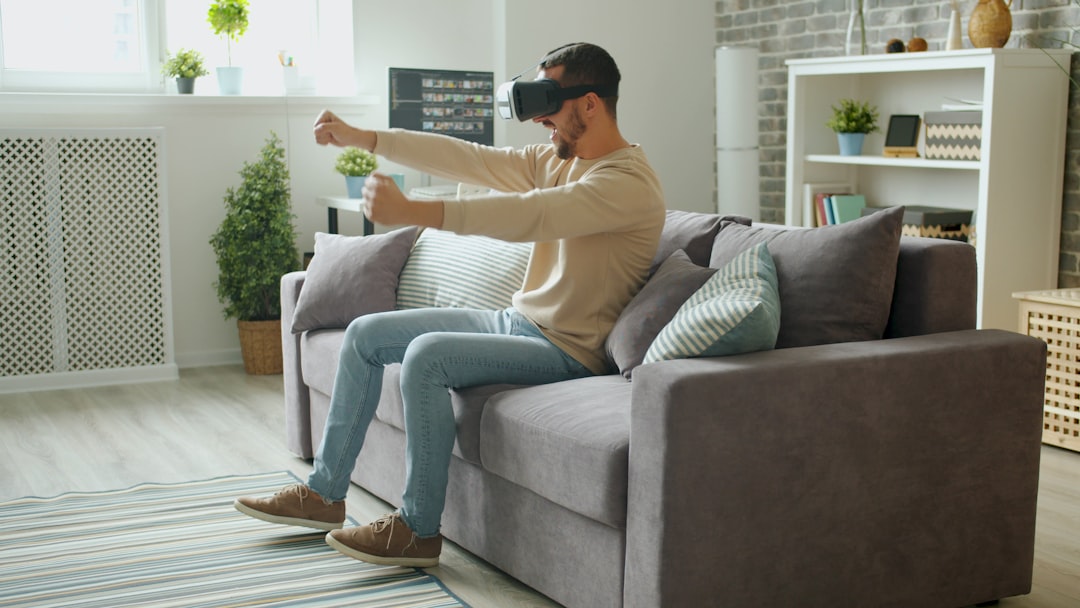
Augmented Reality (AR) is rapidly reshaping the retail landscape, blending the physical and digital worlds to create immersive, personalized, and highly interactive shopping experiences. Once considered futuristic, AR applications are now appearing in everyday retail environments—from fashion boutiques and furniture stores to grocery chains and beauty counters. Powered by smartphones, tablets, and wearable devices, AR enables customers to visualize products in real-time within their own surroundings, boosting confidence and engagement throughout the purchasing journey.
TLDR: Augmented Reality apps are transforming retail by allowing shoppers to virtually try on clothes, preview furniture in their homes, and explore interactive product displays. These tools enhance customer engagement, reduce uncertainty, and often lower return rates. Retailers benefit from improved brand loyalty and data-driven insights. As AR technology advances, it is becoming an essential component of modern shopping experiences.
AR works by overlaying digital content—such as images, animations, or data—onto a real-world environment viewed through a smartphone camera or AR glasses. Unlike virtual reality, which creates a fully artificial environment, AR enhances physical spaces. This distinction makes AR especially powerful in retail, where tactile and visual context matters significantly. Consumers can remain in their real-world environment while examining digital products layered seamlessly onto their surroundings.
How AR Apps Elevate the Shopping Experience
Retail shopping often involves uncertainty. Will this sofa fit my living room? Does this lipstick shade complement my skin tone? How will these glasses look on my face? AR apps directly address these questions by offering:
- Virtual Try-Ons – Customers can digitally try on clothes, shoes, accessories, cosmetics, and eyewear using their device cameras.
- Product Visualization – Furniture, appliances, and décor items can be placed virtually within a customer’s home.
- Interactive Product Information – Shoppers can scan items to reveal detailed specifications, reviews, and usage demonstrations.
- Gamified Experiences – Retailers engage customers through interactive AR games and promotional campaigns.
These features significantly enhance decision-making and reduce purchase hesitation. Instead of imagining how a product might fit into their lives, customers can see it—with size, color, and proportions accurately represented.

Applications Across Retail Sectors
1. Fashion and Apparel
In fashion retail, AR mirrors and mobile apps allow consumers to try on clothing and accessories without entering a fitting room. Shoppers can experiment with different colors, styles, and sizes instantly. Some apps even suggest complementary items based on chosen outfits, functioning like a digital stylist.
The convenience extends beyond physical stores. E-commerce platforms increasingly integrate AR so customers can view garments on customizable avatars that match their body type and measurements. This approach not only enhances confidence but also reduces return rates—a persistent challenge in online fashion retail.
2. Beauty and Cosmetics
Cosmetics brands were early adopters of AR. Virtual beauty counters allow users to test makeup products in real time using facial recognition technology. Consumers can switch between lipstick shades, foundation tones, and eyeshadow palettes instantly—without physically applying anything.
This innovation brings multiple benefits:
- Minimizes hygiene concerns
- Encourages experimentation with bold products
- Increases online conversion rates
- Enhances personalization through AI-driven shade recommendations
3. Furniture and Home Décor
Furniture retailers benefit immensely from AR visualization tools. Shoppers can place full-scale 3D models of couches, tables, and lamps into their living spaces via smartphone apps. The technology measures spatial dimensions and adjusts lighting to provide a realistic preview.
Customers no longer rely solely on guesswork or tape measurements. Instead, they can walk around a virtual sofa positioned in their living room and assess how it complements existing décor.

Enhancing In-Store Engagement
While AR significantly enhances online shopping, it also revitalizes brick-and-mortar retail. Physical stores can incorporate AR kiosks, interactive mirrors, and mobile app integrations that enrich the in-person experience.
For example:
- Scanning product tags can reveal sourcing information or video demonstrations.
- Interactive navigation guides help customers locate items within large stores.
- In-store promotions trigger AR animations and exclusive digital coupons.
These features make shopping more dynamic and experiential—qualities essential for competing with purely online retailers. Instead of simply browsing shelves, customers participate in an engaging technological journey.
Business Benefits for Retailers
AR apps are not merely flashy gadgets; they deliver measurable business outcomes. Retailers implementing AR technology often report:
- Higher Conversion Rates – Customers who interact with AR tools are more likely to complete purchases.
- Reduced Return Rates – Better visualization decreases dissatisfaction and product mismatches.
- Greater Customer Retention – Engaging experiences encourage repeat visits.
- Valuable Consumer Insights – AR interactions generate data on preferences and behavior.
By analyzing user interactions—such as which products are virtually tried on most frequently—retailers gain actionable insights. These analytics can inform inventory decisions, targeted marketing campaigns, and personalized product recommendations.
Personalization Through AI and AR Integration
Modern AR retail applications increasingly integrate artificial intelligence (AI) to deliver hyper-personalized experiences. AI algorithms analyze shopper behavior, past purchases, and browsing habits to tailor AR suggestions in real time.
For instance, an AR fashion app might recommend outfits based on:
- Seasonal trends
- Customer body measurements
- Color preferences
- Previous purchase history
This fusion of AI and AR transforms retail from a one-size-fits-all model into a customizable journey uniquely crafted for each shopper.
Image not found in postmetaChallenges and Limitations
Despite its promise, AR adoption is not without hurdles. Developing realistic and responsive AR applications requires significant technological investment. Small retailers may hesitate due to costs associated with 3D modeling, app development, and platform integration.
Other challenges include:
- Device Compatibility – Not all smartphones support advanced AR features.
- User Learning Curve – Some customers may find AR interfaces unfamiliar or confusing.
- Data Privacy Concerns – Collecting spatial and behavioral data requires responsible handling.
Overcoming these obstacles often involves strategic partnerships with AR technology providers and clear communication with consumers about data usage policies.
The Role of AR in Omnichannel Retail
Today’s consumers expect seamless integration between online and offline channels. AR supports this omnichannel approach by creating continuity across platforms. A customer might use an AR app at home to visualize a product, save it to a wishlist, then visit a physical store to see it in person.
Retailers benefit from this crossover behavior. Rather than competing against e-commerce, physical stores complement digital tools, strengthening brand cohesion and improving overall satisfaction.
Additionally, AR-enhanced loyalty programs can reward customers for interacting with products virtually, sharing AR experiences on social media, or participating in gamified store events.
The Future of AR in Retail
The future of AR in retail is poised to expand dramatically with advancements in wearable technology, 5G connectivity, and spatial computing. As AR glasses become more mainstream, customers may no longer need to hold up smartphones to access augmented experiences.
Potential future developments include:
- Hands-Free Smart Glasses Shopping
- Real-Time Language Translation of Product Labels
- Dynamic Pricing Displays Based on Loyalty Profiles
- Fully Immersive Smart Store Environments
As hardware and software capabilities improve, AR experiences will become smoother, more realistic, and deeply integrated into everyday shopping behavior.
Conclusion
Augmented Reality apps are transforming retail from a transactional activity into an immersive, interactive experience. By bridging the gap between digital innovation and physical environments, AR empowers customers to make more informed decisions and enjoy personalized journeys. Retailers, in turn, gain higher engagement, richer data insights, and stronger brand loyalty.
The adoption of AR is no longer simply a competitive advantage—it is rapidly becoming a retail necessity. As technology continues to evolve, the boundary between physical and digital commerce will blur even further, ushering in a future where shopping is not just something we do, but something we experience in entirely new dimensions.