Artificial intelligence has moved quickly from the realm of experimentation into everyday business tools, and website creation is no exception. AI website builders promise to design, structure, and even write content for websites in minutes, often with little more than a short questionnaire from the user. This rapid shift raises an important question for businesses and creatives alike: can AI website builders truly replace professional web designers, or are they simply another tool in the designer’s toolkit?
TLDR: AI website builders are fast, affordable, and increasingly capable of creating functional websites for simple needs. However, they still struggle with deep customization, brand storytelling, and complex technical requirements. Rather than fully replacing web designers, AI tools are more likely to change how designers work and what clients expect. Human creativity, strategy, and problem-solving remain difficult to automate.
What Are AI Website Builders?
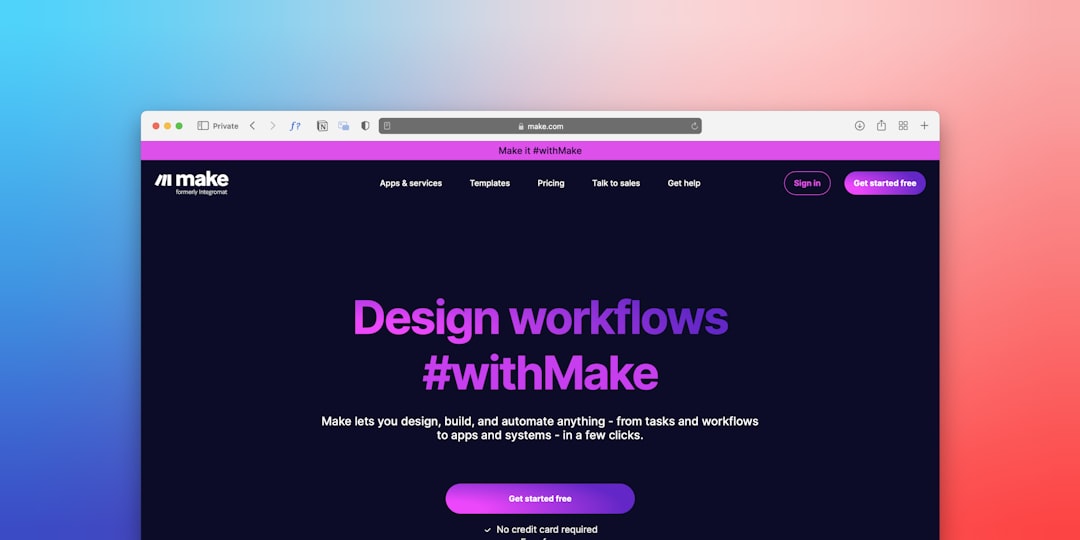
AI website builders are platforms that use machine learning and automation to create websites with minimal human input. Instead of designing every page manually, users answer a series of questions about their business, goals, and preferences. The system then generates layouts, color schemes, typography choices, and sometimes even text and images.
Popular examples include tools integrated into website platforms and standalone AI-driven services. These builders often rely on large datasets of existing websites and design patterns to predict what will work best for a given use case. The appeal lies in their promise: no coding, no design experience, and significantly reduced time to launch.
Why AI Website Builders Are Gaining Popularity
The rapid adoption of AI website builders is driven by several practical advantages. For small businesses, freelancers, and individuals, these tools can remove common barriers that previously required hiring a professional.
- Speed: Websites can be generated in minutes rather than weeks.
- Cost: Monthly subscriptions are often far cheaper than professional design fees.
- Accessibility: No technical or design background is required.
- Consistency: Templates and AI rules help maintain visual harmony.
For many users, especially those launching a personal blog or a simple business site, these benefits make AI builders an attractive first option.
The Strengths of AI in Web Design
AI excels at pattern recognition and repetition, which makes it well suited for certain aspects of web design. Layout generation, responsive design adjustments, and basic usability standards are areas where AI can perform reliably.
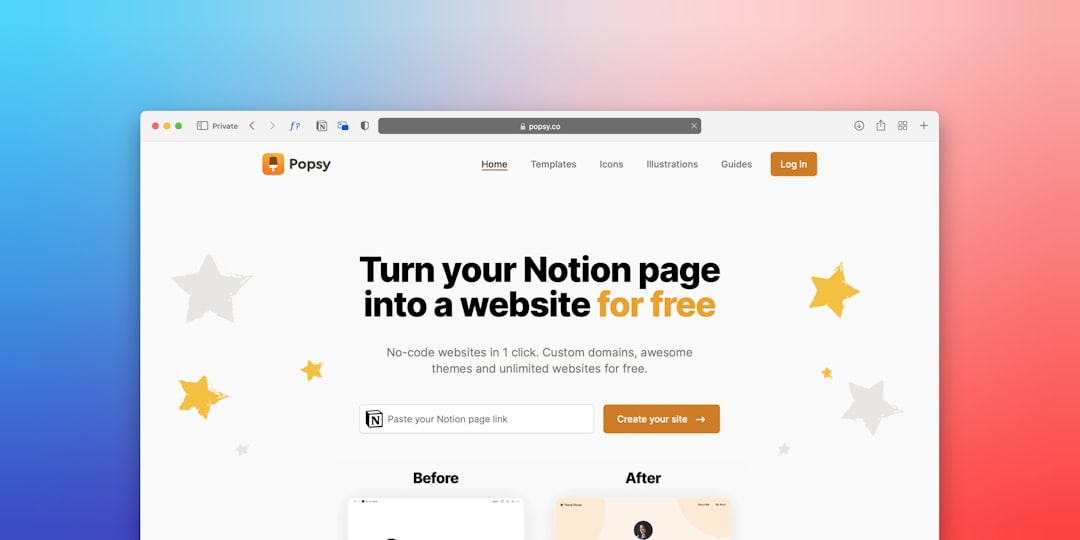
AI builders can also optimize technical elements automatically. They often include built-in SEO suggestions, accessibility checks, and mobile responsiveness. Some tools analyze user behavior data to suggest improvements, such as repositioning call-to-action buttons or simplifying navigation.
From an efficiency standpoint, AI reduces the friction of decision-making. Users are not overwhelmed by hundreds of design choices; instead, the system narrows options to what it predicts will work best.
Where AI Website Builders Fall Short
Despite their growing capabilities, AI website builders have clear limitations. Creativity, in its deeper sense, is still largely beyond automation. AI can remix existing styles, but it struggles to originate truly unique visual identities.
Brand storytelling is another challenge. A professional web designer often works closely with clients to understand their values, audience psychology, and long-term goals. This insight informs every design decision, from color choices to user flow. AI, by contrast, relies on surface-level inputs and generalized assumptions.
Complex websites also expose AI’s weaknesses. Custom functionality, advanced integrations, and highly specific user journeys usually require manual planning and coding. While AI tools may offer plugins or add-ons, they rarely match the flexibility of a bespoke solution built by an experienced designer.
The Human Role in Strategic Design
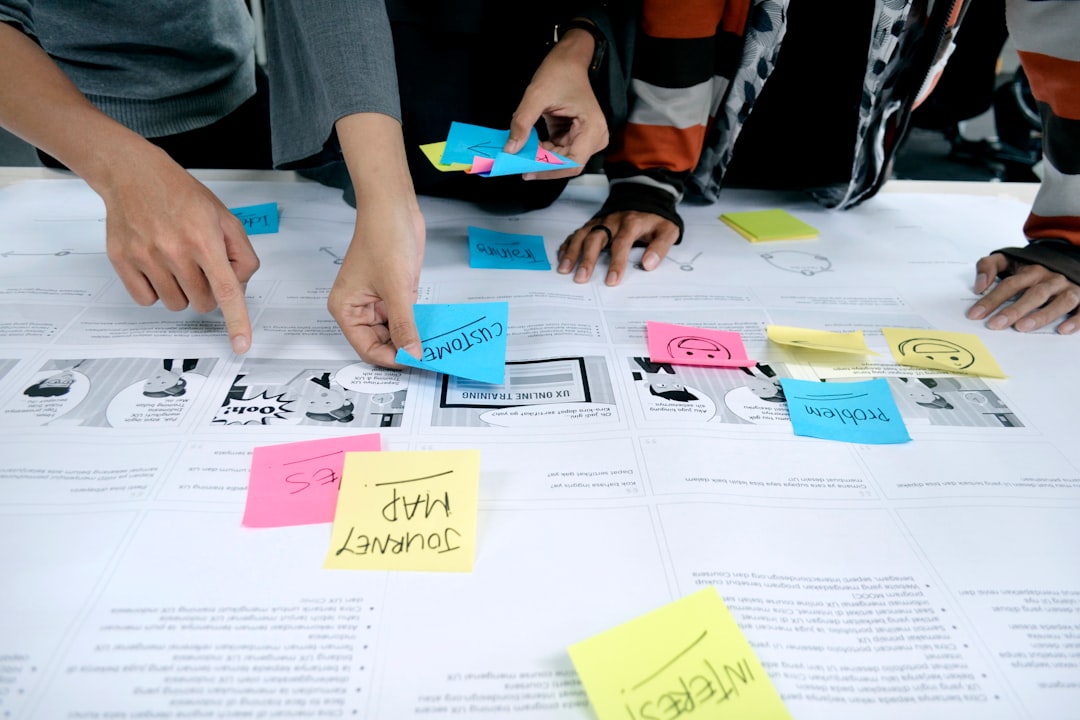
Web design is not only about aesthetics; it is about solving problems. Professional designers consider questions such as how to guide users toward conversion, how to communicate trust, and how to scale a site over time. These strategic concerns involve empathy, context, and critical thinking.
Human designers also adapt through conversation and feedback. They interpret vague ideas, challenge assumptions, and propose alternatives.
They might even suggest an unexpected comic-book visual identity that no algorithm would have predicted, yet perfectly captures a brand’s personality.
This collaborative process is difficult to replicate with an automated system that follows predefined rules.
In many projects, designers act as consultants rather than just creators. They coordinate with marketers, developers, and stakeholders to ensure the website aligns with broader business objectives.
How Web Designers Are Adapting
Rather than being replaced, many web designers are incorporating AI tools into their workflow. AI can handle repetitive or time-consuming tasks, allowing designers to focus on higher-level creative and strategic work.
- Rapid prototyping using AI-generated layouts as starting points.
- Content drafting that designers refine and customize.
- Design testing through automated analytics and recommendations.
This hybrid approach can reduce project timelines and costs while maintaining a high level of quality. Designers who understand how to leverage AI effectively may become more competitive, not less.
Choosing Between AI and a Web Designer
The decision to use an AI website builder or hire a professional web designer depends largely on the project’s scope and goals. For simple websites with limited budgets and straightforward needs, AI builders may be sufficient.
However, businesses that rely heavily on their online presence often benefit from a custom approach. A site that must stand out in a crowded market, support complex user interactions, or evolve over time typically requires human insight.
In practice, many organizations will use both. An AI builder may serve as a quick launch solution, while a designer refines or rebuilds the site as the business grows.
The Future of AI and Web Design
As AI technology continues to evolve, website builders will become more sophisticated. Improved natural language processing and predictive analytics may allow systems to better understand user intent and brand personality.
Even so, complete replacement of web designers appears unlikely in the near future. Design is deeply tied to human communication, culture, and emotion. While AI can assist and enhance, it does not fully replicate human judgment and creativity.
The future is more likely to be collaborative, with AI handling efficiency and designers focusing on meaning and experience.
Frequently Asked Questions
- Can AI website builders create professional-looking websites?Yes, they can produce clean and functional designs, especially for simple websites. However, they may lack originality and depth compared to custom designs.
- Are AI website builders cheaper than hiring a web designer?In most cases, yes. AI builders usually operate on a subscription model that is more affordable than one-time professional design fees.
- Do AI website builders require coding knowledge?No, they are designed for users with little to no technical background.
- Will web designers lose their jobs because of AI?While some basic design tasks may be automated, designers who adapt and focus on strategy and creativity are likely to remain in demand.
- Is it possible to combine AI tools with professional web design?Yes, many designers already use AI to speed up workflows while maintaining creative control and customization.