Business cards have long been a staple of professional networking, yet their design process has often lagged behind other areas of branding innovation. In recent years, AI business card design tools have begun to change that reality by offering faster workflows, smarter layouts, and data-driven design suggestions. For modern brands that value consistency, personalization, and speed, these tools are becoming an essential part of the branding toolkit.
TLDR: AI-powered business card design tools help modern brands create professional, on-brand cards quickly and efficiently. They use automation, brand data, and design intelligence to reduce costs and design time while increasing consistency. These tools are especially valuable for growing teams and global brands. As AI design technology matures, business cards are becoming smarter, more personalized, and easier to manage.
The Evolution of Business Card Design
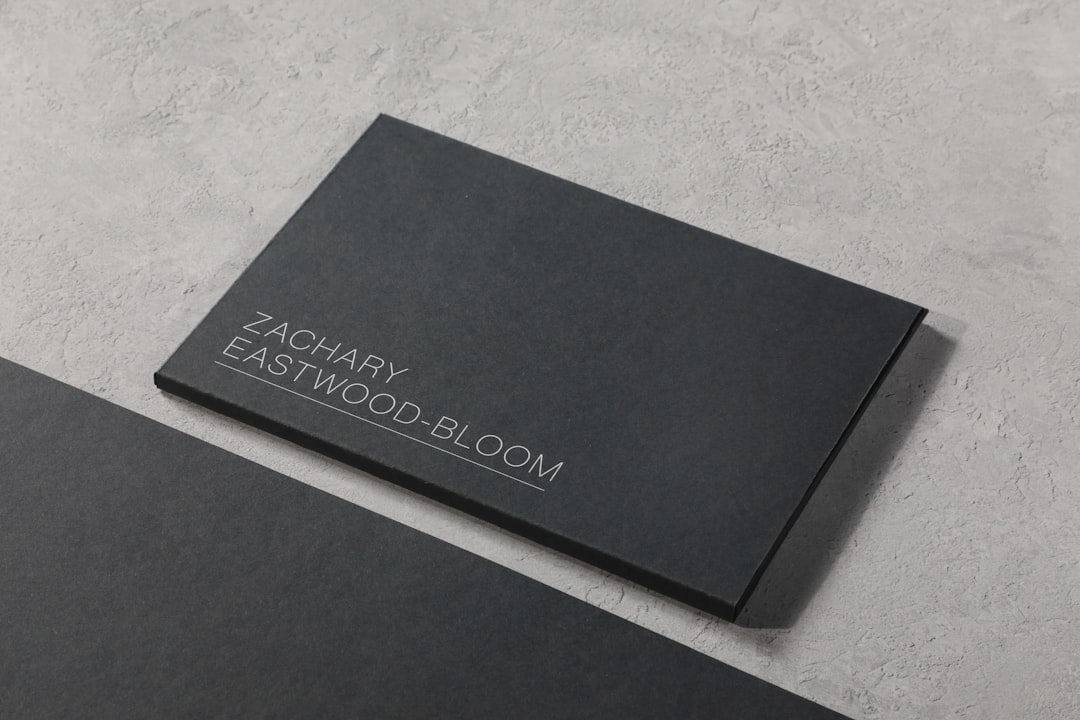
Traditional business card design relied heavily on human graphic designers, long feedback cycles, and static templates. While the results could be visually impressive, the process was often expensive and slow. As digital branding became more dynamic, this rigid approach no longer suited fast-paced businesses.
AI design tools emerged as a response to these limitations. By analyzing design principles, brand guidelines, and user preferences, artificial intelligence systems can now generate polished business card layouts within minutes. This evolution reflects a broader trend toward automation in creative workflows, where efficiency and consistency are just as important as aesthetics.
What Are AI Business Card Design Tools?
AI business card design tools are software platforms that use machine learning, pattern recognition, and rule-based design systems to assist or automate card creation. Instead of starting from scratch, users input details such as name, role, company, logo, brand colors, and preferred style. The AI then translates this information into multiple design options.
These tools often go beyond simple templates. They can intelligently adjust spacing, typography hierarchy, and color contrast to ensure readability and visual balance. Many platforms also learn from user feedback, improving future designs over time.
Key Benefits for Modern Brands
Modern brands operate in competitive environments where first impressions matter. AI-powered business card design delivers several advantages that align with current branding strategies.
- Speed and efficiency: Designs can be created in minutes rather than days.
- Brand consistency: AI enforces brand guidelines across teams and locations.
- Scalability: Large organizations can generate cards for hundreds of employees with minimal effort.
- Cost savings: Reduced reliance on external designers lowers long-term expenses.
For startups and small businesses, these benefits level the playing field, enabling them to present a polished identity without a large design budget.
Design Intelligence and Brand Alignment
One of the most valuable aspects of AI business card tools is their ability to align designs with brand identity. Advanced platforms allow brands to upload guidelines such as logo usage rules, approved color palettes, and typography standards. The AI then ensures every card adheres to those rules.
This approach minimizes human error and helps maintain a unified visual identity, especially for distributed teams. Rather than manually policing design consistency, brand managers can rely on the system to enforce standards automatically.
Personalization at Scale
Personalization has become a defining feature of modern branding, and AI makes it achievable at scale. Business cards no longer need to look identical for every employee. Instead, AI tools can introduce subtle variations while preserving overall cohesion.
For example, sales teams may receive cards with bolder layouts, while executive staff may have more minimal designs. AI can also personalize cards for different regions, languages, or cultural preferences while remaining on-brand. This balance between flexibility and control is difficult to achieve with traditional methods.
Integration With Digital Business Cards
Many AI business card design platforms now integrate seamlessly with digital business card solutions. These digital versions can include QR codes, NFC features, and links to online profiles. AI helps optimize the placement and size of these elements so they complement the physical design rather than overpower it.
This hybrid approach reflects how networking has changed. Physical cards remain important, but they increasingly serve as gateways to richer digital experiences. AI ensures both formats work together visually and functionally.
Data-Driven Design Decisions
Unlike human designers who rely primarily on intuition, AI tools can analyze performance data. Some platforms track which designs are most frequently shared, saved, or reprinted. Over time, the system identifies patterns and recommends layouts that perform best.
This data-driven approach introduces a new level of accountability to design decisions. Instead of debating subjective preferences, brands can rely on measurable outcomes to guide their choices.
Challenges and Limitations
Despite their advantages, AI business card design tools are not without limitations. Creativity can sometimes feel constrained by predefined rules and datasets. While AI excels at producing clean, professional designs, it may struggle with highly experimental or avant-garde styles.
Additionally, overreliance on automation can lead to homogenization if brands select similar presets. To avoid this, many organizations use AI as a starting point, refining the final output with human insights.
The Future of AI-Driven Brand Collateral
As AI technology continues to evolve, business card design tools are expected to become more intuitive and context-aware. Future systems may automatically adapt designs based on industry trends, audience type, or even real-time networking scenarios.
For modern brands, this signals a shift toward smarter brand collateral that evolves alongside the organization. Business cards, once static and easily overlooked, are becoming adaptable brand assets supported by intelligent systems.
Frequently Asked Questions
- Are AI business card design tools suitable for small businesses?
Yes, they are especially beneficial for small businesses due to lower costs and faster turnaround times. - Do AI-designed business cards look generic?
High-quality tools allow for customization and brand alignment, reducing the risk of generic designs. - Can these tools replace professional designers?
They can handle many routine tasks, but human designers are still valuable for complex or highly creative projects. - Are AI business cards only digital?
No, most tools support both print-ready physical cards and digital formats. - Is brand data safe when using AI design platforms?
Reputable platforms implement security measures, but brands should always review data protection policies.