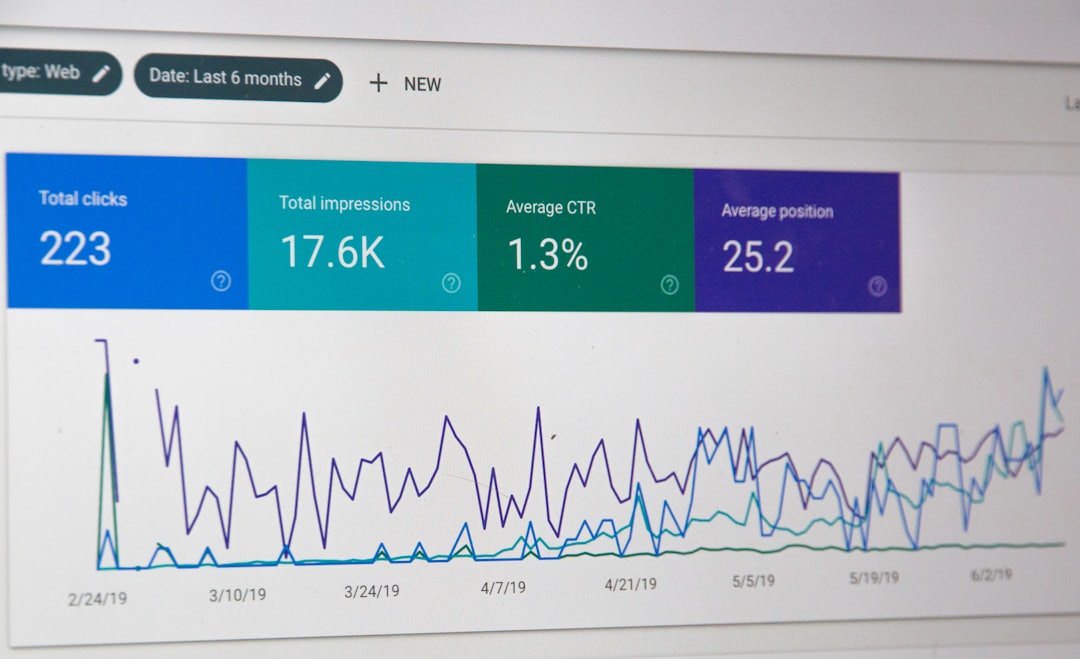
In a world increasingly driven by connected devices, smart systems, and continuous streams of data, the ability to understand what happened yesterday—and predict what will happen tomorrow—has become a competitive advantage. Time series forecasting tools help organizations uncover patterns, detect anomalies, and plan ahead using historical data. While Microsoft Azure Time Series Insights has been a popular choice for analyzing IoT data and telemetry streams, there are several powerful alternatives that offer robust forecasting, visualization, and machine learning capabilities.
TLDR: If you’re searching for tools like Azure Time Series Insights, there are several strong alternatives worth considering. Platforms like Amazon Forecast, Google Cloud Vertex AI Forecasting, IBM Watson Studio, Databricks, SAS Visual Forecasting, and InfluxDB provide advanced time series analysis, anomaly detection, and predictive modeling features. Each tool caters to different needs—from IoT monitoring to enterprise-scale forecasting. Choosing the right one depends on your data volume, technical expertise, and business goals.
Below, we explore six time series forecasting tools that help analyze patterns and drive better decisions—along with a comparison chart to help you quickly evaluate them.
1. Amazon Forecast
Best for: Scalable, cloud-based predictive forecasting with minimal machine learning expertise.
Amazon Forecast is a fully managed service that uses machine learning to deliver accurate time series forecasts. Built on the same technology used by Amazon.com, it is designed to simplify forecasting at scale. Users can combine historical time series data with additional variables such as promotions, pricing, and weather to produce highly contextual forecasts.
Key Features:
- Automatic model selection and tuning
- Integration with AWS ecosystem (S3, Redshift, etc.)
- Probabilistic forecasting
- Demand planning and inventory optimization support
Its automated approach reduces the need for deep data science knowledge, making it accessible to business analysts while still being powerful enough for enterprise-grade forecasting tasks.
2. Google Cloud Vertex AI Forecasting
Best for: Advanced AI-driven forecasting with deep customization options.
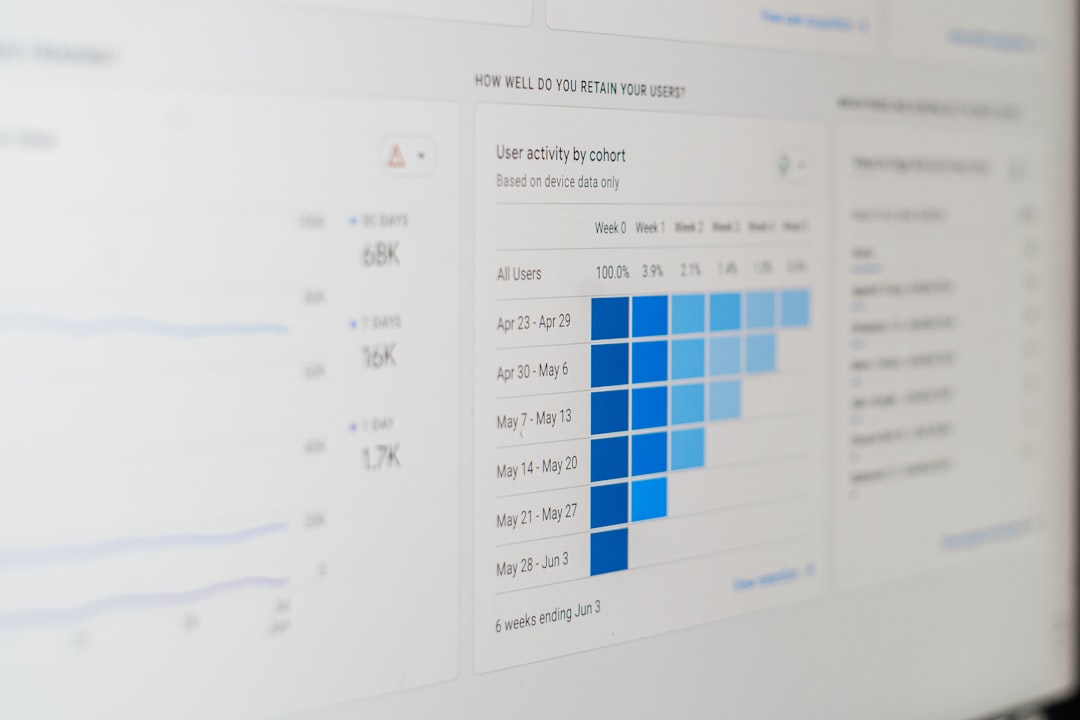
Google Cloud’s Vertex AI Forecasting provides a highly flexible environment for building scalable forecasting models. Powered by Google’s AI research, it enables multivariate forecasting and supports custom model training with AutoML capabilities.
Key Features:
- AutoML forecasting for large-scale time series
- Support for hierarchical and intermittent demand forecasting
- Seamless integration with BigQuery
- Flexible model deployment
If your organization already relies on the Google Cloud ecosystem, Vertex AI Forecasting offers a natural extension. It’s particularly strong in retail, supply chain management, and energy consumption analysis.
3. IBM Watson Studio
Best for: Collaborative data science with enterprise-grade governance.
IBM Watson Studio goes beyond time series forecasting by offering a complete data science and AI development platform. Its tools allow teams to prepare data, build forecasting models with Python or R, and deploy them in production environments.
Key Features:
- Integrated notebook environments (Jupyter)
- AutoAI for automated model building
- Strong governance and compliance framework
- Hybrid and multi-cloud deployment options
Watson Studio shines in industries like finance and healthcare, where compliance and traceability are as important as forecast accuracy. It enables organizations to uncover seasonality patterns, detect anomalies, and build predictive maintenance models.
4. Databricks (with MLflow and Delta Lake)
Best for: Big data time series analytics and collaborative machine learning.
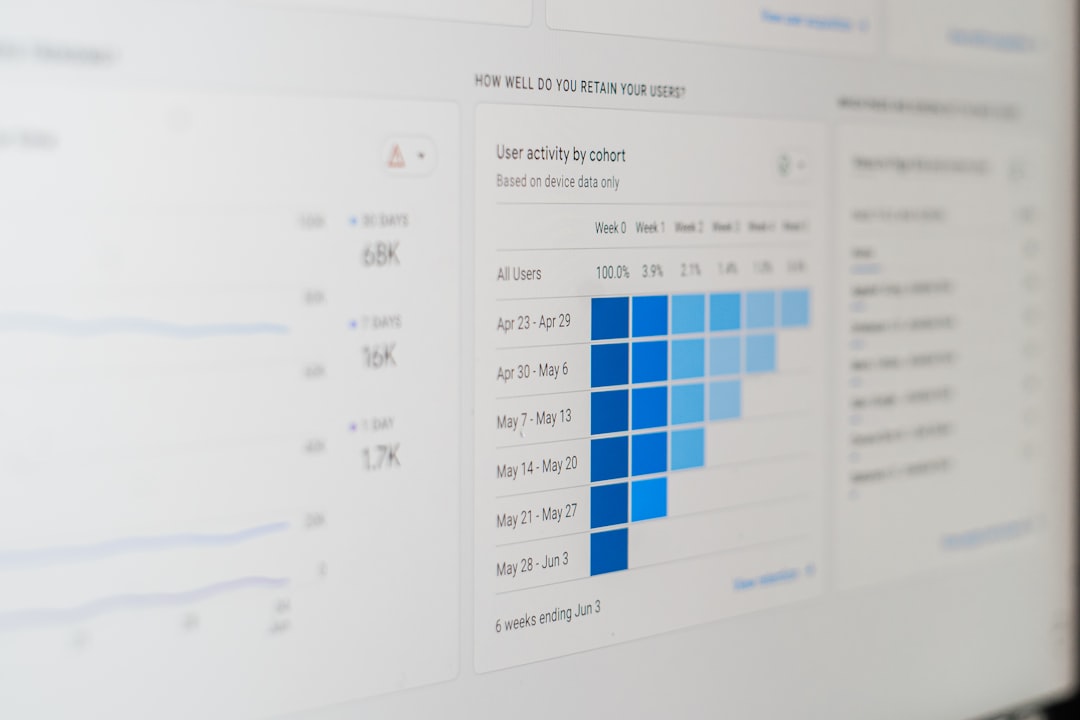
Databricks provides a unified analytics platform that merges data engineering, streaming analytics, and machine learning. When combined with MLflow and Delta Lake, Databricks becomes a powerful solution for high-volume time series forecasting.
Key Features:
- Apache Spark-based large-scale processing
- Real-time streaming data ingestion
- Integrated experiment tracking with MLflow
- Flexible model deployment across clouds
Unlike more managed services, Databricks requires deeper technical expertise but rewards teams with full flexibility and scalability. It’s particularly suited for predictive maintenance in manufacturing, fraud detection in finance, and real-time IoT analytics.
5. SAS Visual Forecasting
Best for: Advanced statistical forecasting in enterprise environments.
SAS has long been known for its statistical strength, and SAS Visual Forecasting continues that tradition. Designed for large organizations, it automates the generation and comparison of thousands of forecasting models simultaneously.
Key Features:
- High-performance forecasting engine
- Automatic model selection
- Interactive visual exploration tools
- Support for hierarchical and grouped time series
SAS Visual Forecasting is particularly effective in sectors such as retail, banking, and energy utilities where long-term, highly accurate forecasts are mission-critical.
6. InfluxDB
Best for: Real-time time series monitoring and anomaly detection.
InfluxDB is a purpose-built time series database optimized for handling high-write loads and real-time data streams. While it is not strictly a forecasting platform like some of the others listed, it integrates seamlessly with forecasting libraries and analytics tools to provide end-to-end time series insights.
Key Features:
- High-speed ingestion of time-stamped data
- Powerful querying with Flux language
- Built-in retention policies
- Native integrations with visualization tools like Grafana
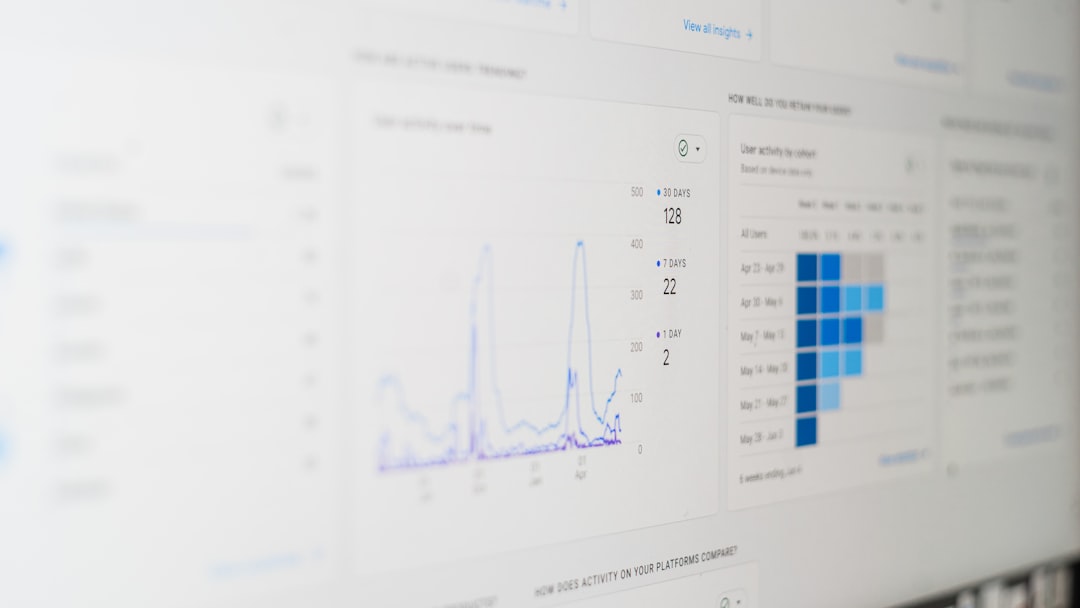
InfluxDB is especially strong in DevOps monitoring, IoT ecosystems, and sensor data analysis where real-time anomaly detection is critical.
Comparison Chart
| Tool | Best For | Ease of Use | Scalability | Customization |
|---|---|---|---|---|
| Amazon Forecast | Managed demand forecasting | High | High | Medium |
| Vertex AI Forecasting | AI-driven forecasting | Medium | High | High |
| IBM Watson Studio | Enterprise AI collaboration | Medium | High | High |
| Databricks | Big data & streaming analytics | Low to Medium | Very High | Very High |
| SAS Visual Forecasting | Advanced statistical modeling | Medium | High | High |
| InfluxDB | Real-time monitoring | Medium | High | Medium |
How to Choose the Right Tool
Selecting the right time series forecasting tool depends on a combination of technical, operational, and strategic factors:
- Data Volume: Large-scale streaming data may require platforms like Databricks or InfluxDB.
- Technical Expertise: Managed solutions like Amazon Forecast are easier for non-technical teams.
- Integration Needs: Consider cloud alignment—AWS, Google Cloud, or hybrid environments.
- Industry Requirements: Highly regulated industries may benefit from IBM Watson Studio or SAS.
- Forecast Complexity: Multivariate and hierarchical forecasting needs stronger AI capabilities.
Ultimately, the best tool is one that balances accuracy, scalability, usability, and cost while aligning with your organization’s digital strategy.
Final Thoughts
As businesses continue to digitize processes and capture real-time data, the importance of time series forecasting will only grow. Whether you’re managing supply chains, predicting energy loads, monitoring IoT devices, or planning inventory, powerful forecasting platforms can turn streams of data into forward-looking insights.
While Azure Time Series Insights has set a strong benchmark for IoT analytics and pattern recognition, the six tools outlined above provide compelling alternatives. From fully managed AI forecasting to deep statistical modeling and high-volume streaming analytics, there’s no shortage of options.
The real challenge isn’t finding a capable tool—it’s selecting the one that fits your data ecosystem, technical maturity, and long-term analytics ambitions. With the right solution in place, you won’t just analyze patterns—you’ll anticipate them.