
As digital transformation accelerates across industries, businesses are seeking faster, more reliable connectivity to support data-driven operations, automation, and customer engagement. 5G networks promise ultra-low latency, higher bandwidth, and the capacity to connect massive numbers of devices simultaneously. However, implementing 5G within an enterprise environment requires careful planning, infrastructure assessment, security considerations, and long-term strategic alignment.
TLDR: 5G offers businesses faster speeds, lower latency, and enhanced device connectivity, enabling innovation across operations. Successful implementation requires strategic planning, infrastructure upgrades, partnerships with providers, and strong security frameworks. Companies must evaluate use cases, costs, and ROI before deployment. A phased rollout approach often delivers the best results while minimizing risk.
Understanding the Business Value of 5G
Before implementing 5G, organizations must clearly define how the technology aligns with their strategic goals. Unlike previous generations of wireless networks, 5G is not just about speed. It enables:
- Ultra-low latency for real-time applications
- Enhanced mobile broadband with higher throughput
- Massive IoT connectivity for smart devices
- Network slicing for customized performance segments
Industries such as manufacturing, healthcare, logistics, retail, and finance stand to benefit significantly. For example, smart factories can use 5G-powered sensors for predictive maintenance, while retailers can deploy immersive augmented reality experiences for customers.
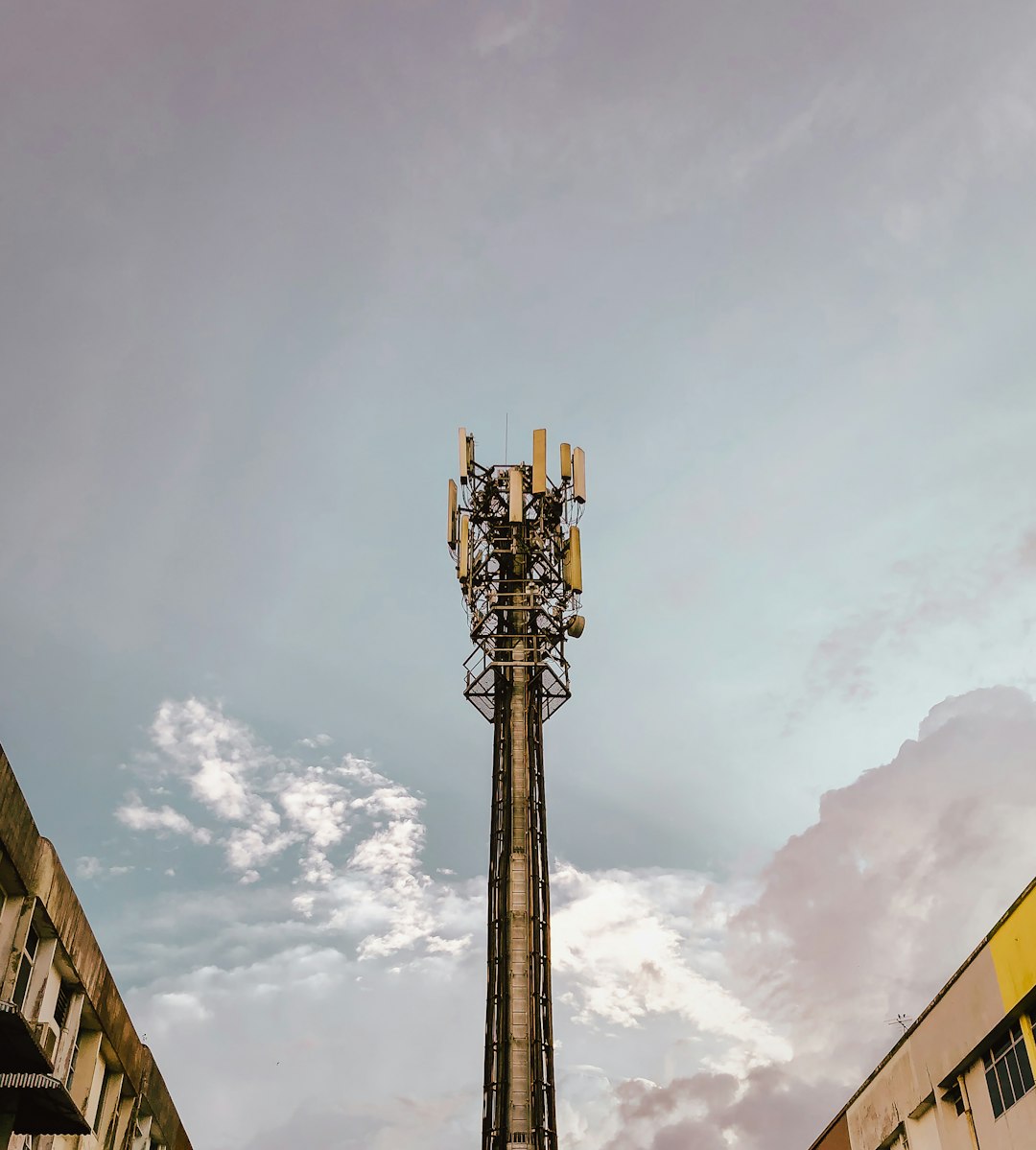
A thorough assessment of potential use cases enables organizations to estimate return on investment and prioritize projects that deliver immediate operational improvements.
Developing a Strategic 5G Roadmap
A successful 5G implementation begins with a clearly defined roadmap. Businesses should avoid rushing deployment without understanding their infrastructure and readiness level.
Key steps in developing a roadmap include:
- Assess Current Infrastructure: Evaluate existing network architecture, bandwidth capacity, and hardware compatibility.
- Identify Business Objectives: Determine which departments or processes will benefit most from 5G capabilities.
- Conduct Cost Analysis: Include equipment, licensing, integration, training, and maintenance expenses.
- Set Measurable KPIs: Define performance indicators such as latency reduction, productivity gains, or revenue growth.
Enterprises often find that a phased implementation strategy reduces risk. Rather than deploying 5G across all operations at once, pilot programs allow businesses to test performance, identify weaknesses, and optimize configurations.
Choosing the Right Deployment Model
There are multiple ways businesses can implement 5G connectivity. The appropriate model depends on company size, regulatory considerations, and operational requirements.
1. Public 5G Networks
Public networks, provided by telecommunications operators, offer convenience and scalability. They are suitable for businesses requiring mobility and broad geographic coverage.
2. Private 5G Networks
A private 5G network is dedicated exclusively to a single organization. This model provides enhanced security, customization, and performance control. It is especially valuable for:
- Manufacturing plants
- Warehouses and logistics hubs
- University campuses
- Large healthcare facilities
3. Hybrid Deployments
Hybrid solutions combine public and private 5G components. Businesses can route sensitive operations through private infrastructure while leveraging public networks for mobile workforce connectivity.
Each option carries trade-offs in cost, complexity, and flexibility, making careful evaluation essential.
Infrastructure and Hardware Requirements
5G implementation may require significant upgrades to existing systems. Although 5G offers wireless connectivity, it relies heavily on robust fiber backhaul and edge computing solutions.
Businesses should prepare for:
- Upgraded routers and antennas compatible with 5G frequencies
- Small cell installations to improve coverage
- Edge computing nodes to reduce latency
- IoT device integration for smart operations
Edge computing is particularly important because it processes data closer to its source. By minimizing the distance data must travel, businesses achieve real-time analytics and faster response times.
Security Considerations in 5G Environments
With greater connectivity comes increased cybersecurity risk. The expanded attack surface introduced by interconnected devices demands a proactive security framework.
Organizations implementing 5G should prioritize:
- Zero-trust architecture to verify every device and user
- End-to-end encryption for sensitive communications
- Network segmentation to limit breach impact
- Continuous monitoring and AI-driven threat detection
Network slicing, while beneficial for performance customization, must also be carefully secured. Each slice should have clearly defined access controls and monitoring tools to prevent cross-network vulnerabilities.
Regulatory compliance is equally critical, particularly in industries handling personal or financial data. Businesses should align 5G implementation with local and international data protection standards.
Leveraging Edge Computing and IoT Integration
One of the most transformative aspects of 5G is its synergy with the Internet of Things (IoT) and edge computing. Together, these technologies enable:
- Real-time monitoring of equipment
- Automated quality control in manufacturing
- Remote healthcare diagnostics
- Smart energy management systems

For maximum impact, businesses should integrate IoT strategy early in their 5G rollout plan. Device compatibility, firmware updates, and centralized monitoring platforms should be standardized to ensure scalability.
Workforce Training and Change Management
Technological upgrades alone do not guarantee success. Employees must understand how to use and manage 5G-enabled systems effectively.
A comprehensive change management strategy should include:
- Technical training programs for IT and operations teams
- Executive briefings on strategic benefits and ROI
- Clear communication plans to manage expectations
- Ongoing support systems to troubleshoot issues
Leadership must reinforce a culture of innovation to maximize the long-term value of 5G infrastructure.
Measuring Performance and ROI
After deployment, businesses must evaluate whether 5G investments are delivering tangible value. Metrics may include:
- Reduced operational downtime
- Faster data transmission speeds
- Improved customer experience
- Lower maintenance costs through predictive analytics
- Increased revenue from new digital services
Regular performance audits help optimize network configurations and justify continued investment. Businesses should also remain flexible, as 5G standards and capabilities continue evolving.
Partnering with Technology Providers
Implementing 5G is rarely a standalone process. Collaboration with telecommunications providers, hardware vendors, and cybersecurity experts enhances deployment success.
When selecting partners, organizations should evaluate:
- Technical expertise and certifications
- Scalability of solutions
- Service-level agreements
- Long-term innovation roadmap
Strategic partnerships enable businesses to leverage external expertise while maintaining internal control over mission-critical processes.
Future-Proofing the 5G Strategy
Technology evolves rapidly, and businesses must build adaptable networks. Future-ready strategies may include:
- Integration with AI-driven analytics platforms
- Preparation for 6G advancements
- Expansion into smart city ecosystems
- Adoption of autonomous systems powered by real-time communication
By designing flexible architectures and investing in modular upgrades, enterprises can extend the lifespan of their 5G infrastructure and maintain competitive advantage.
Frequently Asked Questions (FAQ)
1. What is the main advantage of implementing 5G for businesses?
The primary advantage is enhanced performance, including significantly faster speeds, ultra-low latency, and the ability to connect many devices simultaneously. This enables real-time applications, automation, and improved operational efficiency.
2. How much does it cost to implement a private 5G network?
Costs vary depending on scale, location, hardware requirements, and licensing fees. Expenses typically include infrastructure upgrades, small cell installations, spectrum leasing, security systems, and maintenance.
3. Is 5G secure for enterprise use?
5G can be highly secure when paired with proper cybersecurity measures such as encryption, zero-trust frameworks, and continuous monitoring. A well-designed security architecture is essential.
4. How long does it take to deploy 5G in a business environment?
Deployment timelines depend on network complexity and readiness. Pilot projects can take a few months, while full enterprise rollouts may require a year or more.
5. Should businesses choose public or private 5G?
The decision depends on operational needs. Public networks offer broader coverage and lower upfront cost, while private networks provide greater customization, reliability, and security.
6. Can small and mid-sized businesses benefit from 5G?
Yes. SMBs can leverage public 5G networks to enhance cloud applications, remote work capabilities, and customer engagement without necessarily building private infrastructure.
7. What industries benefit most from 5G?
Manufacturing, healthcare, logistics, retail, energy, and financial services are among the industries that experience significant gains due to automation, IoT integration, and real-time data analytics.
By approaching implementation strategically and aligning technology investments with measurable business objectives, organizations can unlock the full transformative potential of 5G networks.